
Featured Thermal & High-Pressure Alloy Piping
Engineered for severe duty cycle stability, exceptional thermal fatigue resistance, and rigorous code compliance across supercritical thermal systems.
Industrial Market Outlook: ASTM A335 P11 in Modern Thermal Systems
In modern thermal equipment engineering, steam generation facilities, and petrochemical conversion units, materials operate under unrelenting thermal gradients, mechanical pressures, and cyclic operational regimes. ASTM A335 P11—nominally classified as a 1.25% Chromium, 0.5% Molybdenum low-alloy ferritic steel—remains the fundamental workhorse material bridging standard carbon steels and advanced modified martensitic alloys.
Global energy market trends show significant modernization across both traditional thermal utilities and next-generation hybrid power stations. As industrial decarbonization mandates drive combined-cycle gas turbine (CCGT) configurations, heat recovery steam generators (HRSG), and biomass-fired cogeneration plants into fast-ramping cycles, materials must endure elevated creep-fatigue interactions without microstructural degradation. ASTM A335 P11 offers an optimum balance of high tensile yield, exceptional thermal conductivity, and proven weldability, preventing catastrophic graphitization often observed in unalloyed carbon steels above 425°C (800°F).
Thermal Fatigue Resilience
Engineered to accommodate rapid startup cycles in peaking power stations and variable steam loads without initiating stress corrosion cracking or weld-interface failures.
Anti-Graphitization Chemistry
Precise addition of 1.00% to 1.50% Chromium stabilizes cementite into complex carbides, permanently eliminating carbide embrittlement at sustained temperatures up to 550°C.
Elevated Creep Rupture Index
Molybdenum solid-solution strengthening paired with secondary precipitation hardening delivers decades of design life under high-pressure superheated conditions.
Metallurgical Fundamentals & Mechanical Performance
The structural reliability of ASTM A335 P11 stems directly from its strictly controlled chemical formulation and balanced phase matrix. In thermal power boilers and fired industrial heaters, alloy elements perform distinct synergistic functions: Chromium provides high-temperature oxidation protection and stabilizes complex iron-chromium carbides, while Molybdenum elevates high-temperature yield point and creep strength by retarding dislocation mobility within the ferritic-pearlitic matrix.
| Alloy Standard & Grade | Carbon (C) | Manganese (Mn) | Phosphorus & Sulfur | Silicon (Si) | Chromium (Cr) | Molybdenum (Mo) |
|---|---|---|---|---|---|---|
| ASTM A335 P11 (UNS K11597) | 0.05 - 0.15 % | 0.30 - 0.60 % | P ≤ 0.025% / S ≤ 0.025% | 0.50 - 1.00 % | 1.00 - 1.50 % | 0.44 - 0.65 % |
| ASME SA213 T11 (Tube Equiv.) | 0.05 - 0.15 % | 0.30 - 0.60 % | P ≤ 0.025% / S ≤ 0.025% | 0.50 - 1.00 % | 1.00 - 1.50 % | 0.44 - 0.65 % |
| GB/T 5310 15CrMoG (Comparable) | 0.12 - 0.18 % | 0.40 - 0.70 % | P ≤ 0.020% / S ≤ 0.010% | 0.17 - 0.37 % | 0.80 - 1.10 % | 0.40 - 0.55 % |
Mechanical Tenacity and Allowable Stress Properties
Under ASME Boiler and Pressure Vessel Code (BPVC) Section II-D, ASTM A335 P11 seamless pipe retains dependable allowable stresses over prolonged exposure up to 593°C (1100°F). Yield strength at room temperature is specified at a minimum of 205 MPa (30,000 psi), while ultimate tensile strength spans 415 to 585 MPa (60,000 to 85,000 psi) with an elongation threshold exceeding 30% in longitudinal directions.
Heat treatment protocols directly dictate long-term integrity. Material is delivered either in the Full Annealed, Isothermal Annealed, or Normalized and Tempered condition. For Normalized and Tempered material, tempering is conducted at a minimum temperature of 650°C (1200°F) to ensure complete relaxation of quenching stresses, homogeneous precipitation of fine M23C6 and M6C carbides, and a defect-free ferritic-bainitic or ferritic-pearlitic microstructure.
Critical Engineering Applications in Thermal Equipment
ASTM A335 P11 is selected by power design institutes and EPC contractors for major pressurized components where temperature and mechanical fatigue limits exceed the capacity of standard carbon steel (SA106B / 20#). Below are primary operational domains:
Connecting radiant boiler circuits to primary headers, P11 seamless pipes handle high-velocity superheated dry steam at pressures exceeding 9 to 18 MPa. Superior scaling resistance minimizes steam-side iron oxide exfoliation, safeguarding downstream turbine blades from solid particle erosion.
Thick-walled P11 piping is utilized for boiler manifold headers and collector drums. The material allows intricate multi-nozzle bore machining, socket attachments, and heavy branch connections while preserving creep-fatigue margins during cyclic shutdowns.
Installed behind advanced gas turbines in combined-cycle power units, HRSG high-pressure steam transfer lines face aggressive flue gas temperatures and cyclic cold-start transients. P11 delivers the thermodynamic resilience necessary to prevent creep-cracking at header intersections.
Thermal reboilers, vacuum distillation furnaces, and catalytic cracking transfer units require robust hydrogen embrittlement immunity and sulfur attack resistance. P11 conforms precisely to API 530 criteria for fired heater tubes, assuring decades of non-destructive operations.
Fabrication Metallurgy, Field Welding & PWHT Guidelines
Successful integration of ASTM A335 P11 into complex thermal piping systems requires strict adherence to welding engineering procedures. Designated as ASME P-No 4, Group 1 material, its air-hardenability necessitates systematic pre-heating and post-weld stress mitigation.
Preheat & Interpass Control: Welding without sufficient preheating invites cold cracking (hydrogen-induced cracking) within the heat-affected zone (HAZ) due to localized martensite formation. Engineering standards mandate a preheat temperature of not less than 150°C to 200°C (300°F - 400°F), maintaining interpass temperatures below 315°C (600°F) using low-hydrogen consumables (AWS ER80S-B2 or E8018-B2).
Post-Weld Heat Treatment (PWHT): To temper hard untempered martensite in the HAZ and reduce residual weld stresses to safe levels, components must undergo soaking PWHT between 650°C and 700°C (1200°F - 1300°F). The heating and cooling rates must be stringently regulated according to wall thickness criteria, guaranteeing that post-weld hardness values do not exceed 225 HBW, safeguarding the assembly against sulfide stress cracking and brittle fracture.
About Tianjin Sanon Steel Pipe Co., Ltd.
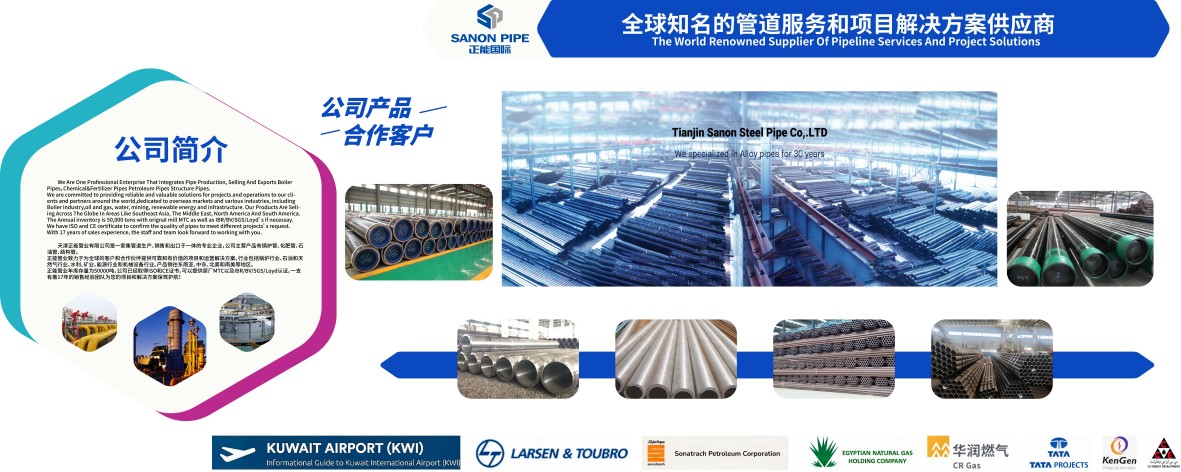
Tianjin Sanon Steel Pipe Co., LTD. is the branch company and international department for Hebei Hong Cheng Pipe Fitting Company. We deliver integrated, globally recognized industrial piping solutions.
One-Stop Industrial Steel Pipe Supplier
Sanonpipe is a one-stop supplier of steel pipe services. Our services cover the entire process from raw material control, packaging, painting, and shipping, saving clients time and costs. We have established mature cooperative factories and warehouses, with approximately 200,000 tons of seamless steel pipes, including carbon steel and alloy steel pipes. We also have 10,000 tons of welded pipes, square and rectangular pipes, and stainless steel pipes in stock.
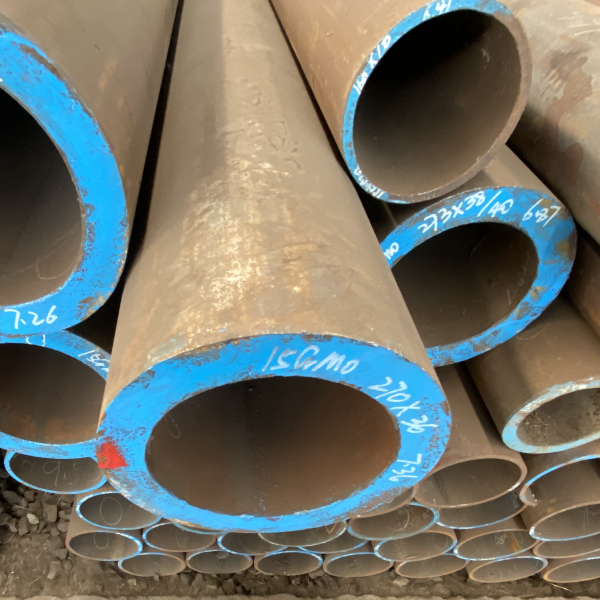
Our company's main products include: Boiler Pipes account for 40%; Line Pipes account for 30%; Petrochemical Pipes account for 10%; Heat Exchanger Tubes account for 10%; Mechanical Pipes account for 10%. Wide range of products: Our main product lineup includes SA106B, 20g, Q345, 12Cr1MoVG, 15CrMoG, Cr5Mo, 1Cr9Mo, 10CrMo910, and A335 P5/P9/P11/P12/P22/P91/P92.
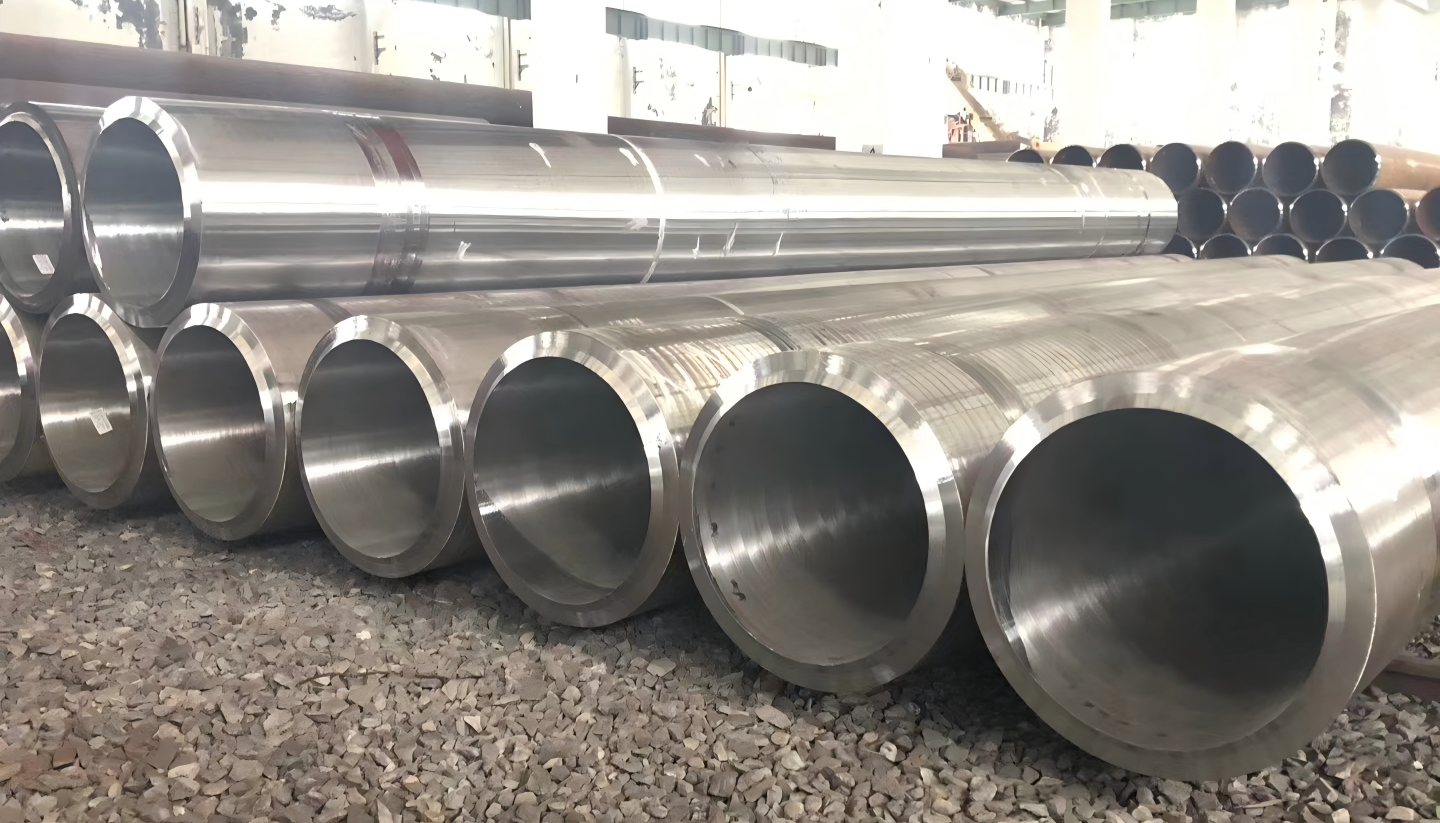
Comprehensive Alloy Steel Pipe Specifications in Stock
Boiler Pipes: ASTM A335/A335M-2018: P5, P9, P11, P12, P22, P91, P92; GB/T5310-2017: 20mng, 25mng, 15mog, 20mog, 12crmog, 15crmog, 12cr2mog, 12crmovg; ASME SA-213/SA-213M: T11, T12, T22, T23, T91, P92, T5, T9, T21.
Petrochemical Pipe: GB9948-2006: 15MoG, 20MoG, 12CrMoG, 15CrMoG, 12Cr2MoG, 12CrMoVG, 20G, 20MnG, 25MnG; GB6479-2013: 12CrMo, 15CrMo, 12Cr1MoV, 12Cr2Mo, 12Cr5Mo, 10MoWVNb, 12SiMoVNb.
Heat Exchanger Tube: SA210C / T11, T12, T22, T23, T91, T92. These high-quality seamless steel pipes are carefully manufactured to meet industry standards and are known for their robustness, corrosion resistance, and longevity.
Company Vision
To become a globally renowned supplier of pipeline services and project solutions. What we offer is not merely steel pipe products, but a series of comprehensive services and solutions centered around steel pipes. We have a deep cooperative "partnership" relationship with our customers rather than a simple buyer-seller relationship.
Company Mission
By building an agile, reliable and professional steel pipe supply chain system, we ensure material safety and create outstanding value for global industrial projects.
Company Values
Customer trust, Professionalism as the foundation, Collaborative progress, and responsibility for the long term.
Major Markets & Worldwide Logistics Footprint
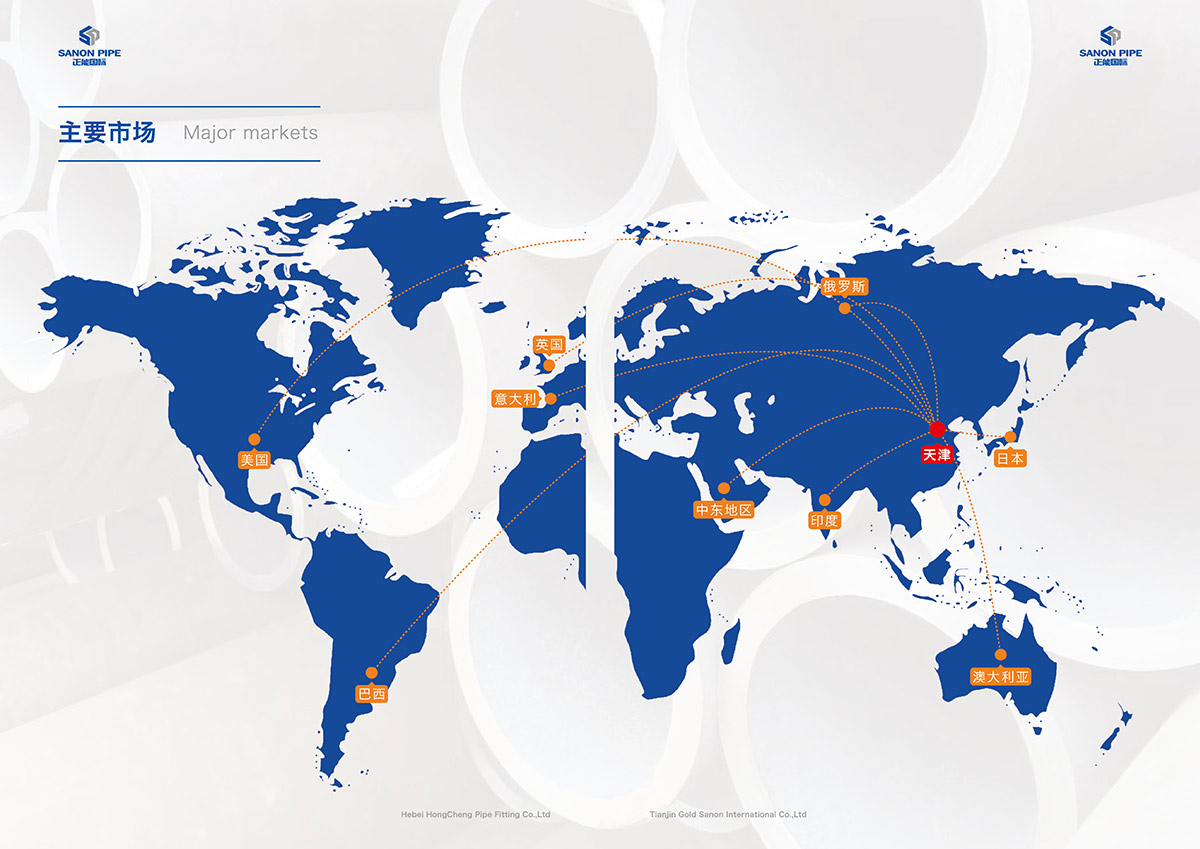
Our steel pipes are sold all over the world, and we have already cooperated with customers in many countries. The main markets are India, the Middle East, the United States, the United Kingdom, Italy, Russia, Brazil, Japan and Australia. The transport methods of our steel pipes are ocean transport, air transport and railway transport.
Main Customers
 CHINA STATE SHIPBUILDING CORPORATION LIMITED
 OMV
 Larsen & Toubro
 National Iranian Steel Company (NISCO)
 Reliance Industries Limited
 Nigerian National Petroleum Corporation Group (NNPC)
 Van Leeuwen Pipe and Tube Group
 Stemcor Global Holdings Limited
 Samsung Electronics
 Total
 Indian Oil Corporation Limited
 China Petrochemical Corporation (Sinopec Group)
 Siemens
 Thyssenkrupp
 Tata Group
 Kuwait Airport (KWI)
Main Manufacturing Suppliers & Strategic Alliances
We partner exclusively with first-tier state-owned and specialized global mills to guarantee stringent metallurgical purity, dimensional precision, and certified raw billet sources.
Founded in 1958, a subsidiary of Hunan Valin Iron & Steel Group Co., Ltd. It now has 3,900 employees with total assets of 13.5 billion Yuan. Accredited as a high and new technology enterprise with top-tier global boiler tube export credentials.
A subsidiary of CITIC Limited, incorporating Jiangyin Xingcheng, Hubei Xinyegang, Daye Special Steel, and Qingdao Special Steel, establishing an undisputed benchmark in ultra-clean alloy steel tube extrusion.
Specializing in 219-720×3-100mm carbon and alloy seamless steel pipes across thermal power, petrochemical refineries, boiler manufacturing, and deep-sea industrial conduits.
Reorganized in 1998 from Baotou Iron and Steel Company (est. 1954). The premier steel enterprise in Inner Mongolia and home to world-renowned rare earth metallurgical research and premium seamless pipe production.
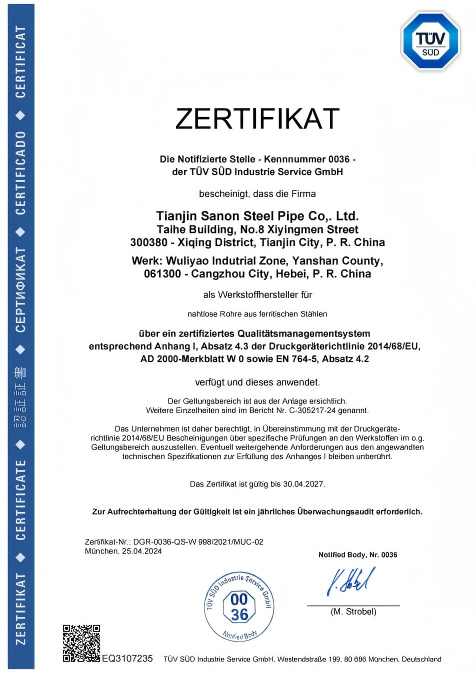
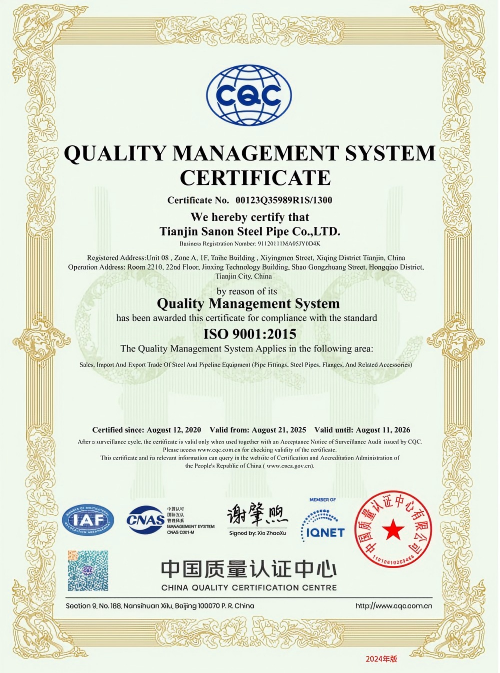
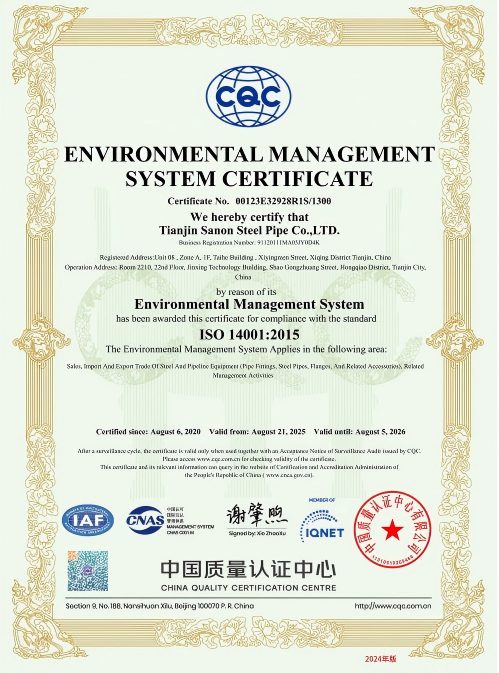
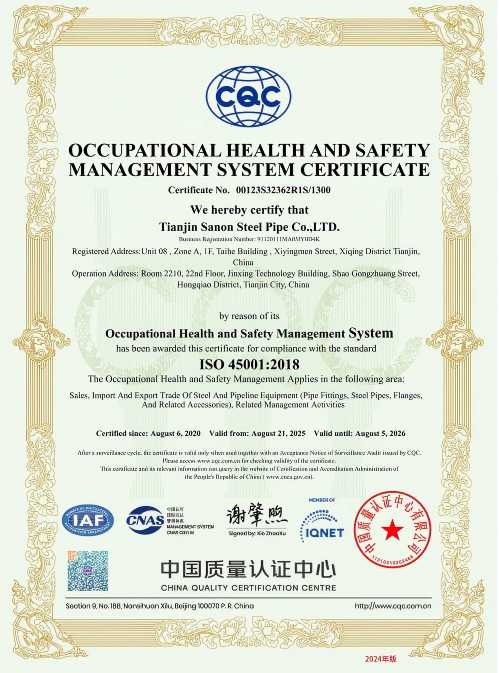
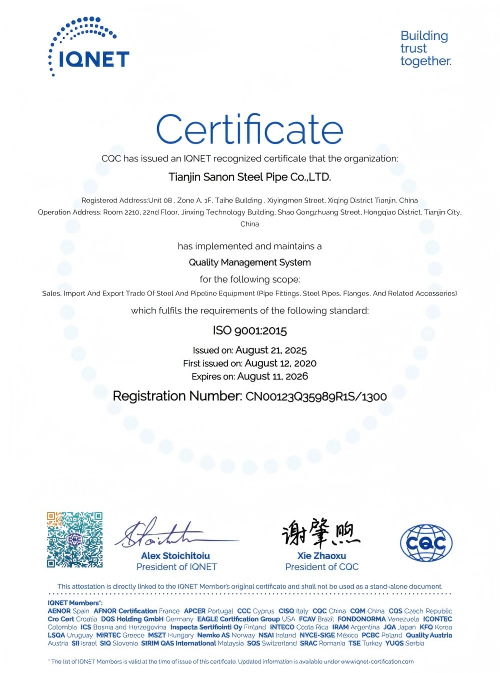
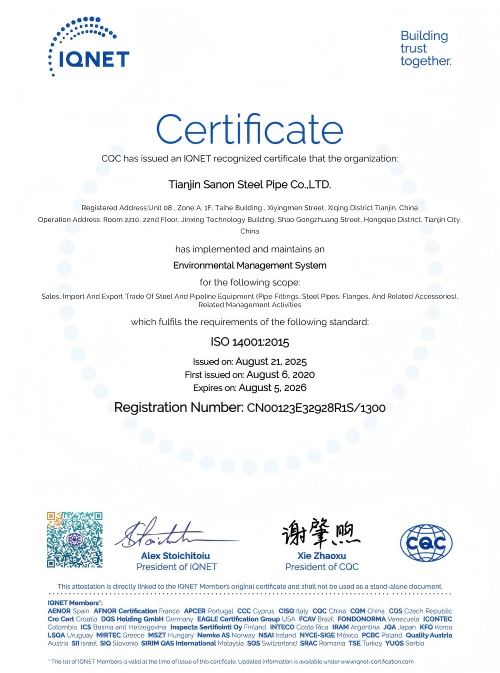
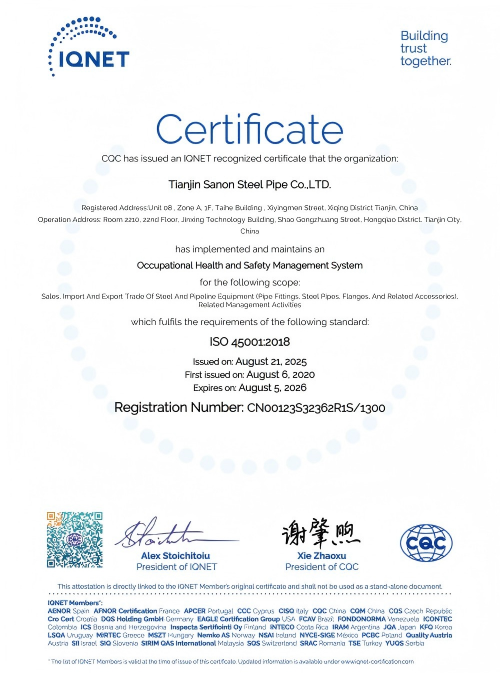
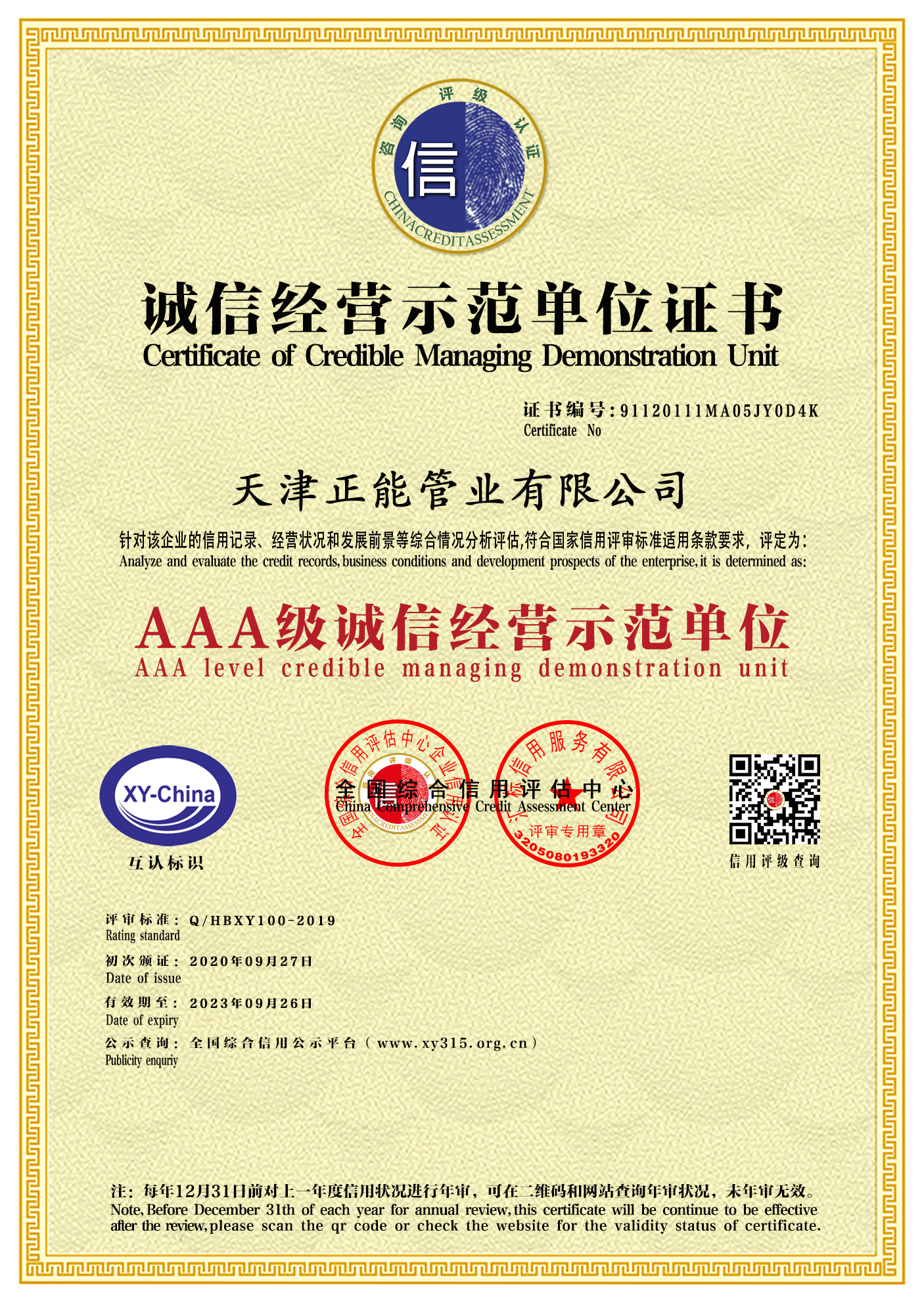
Global Accreditation & Quality Certifications
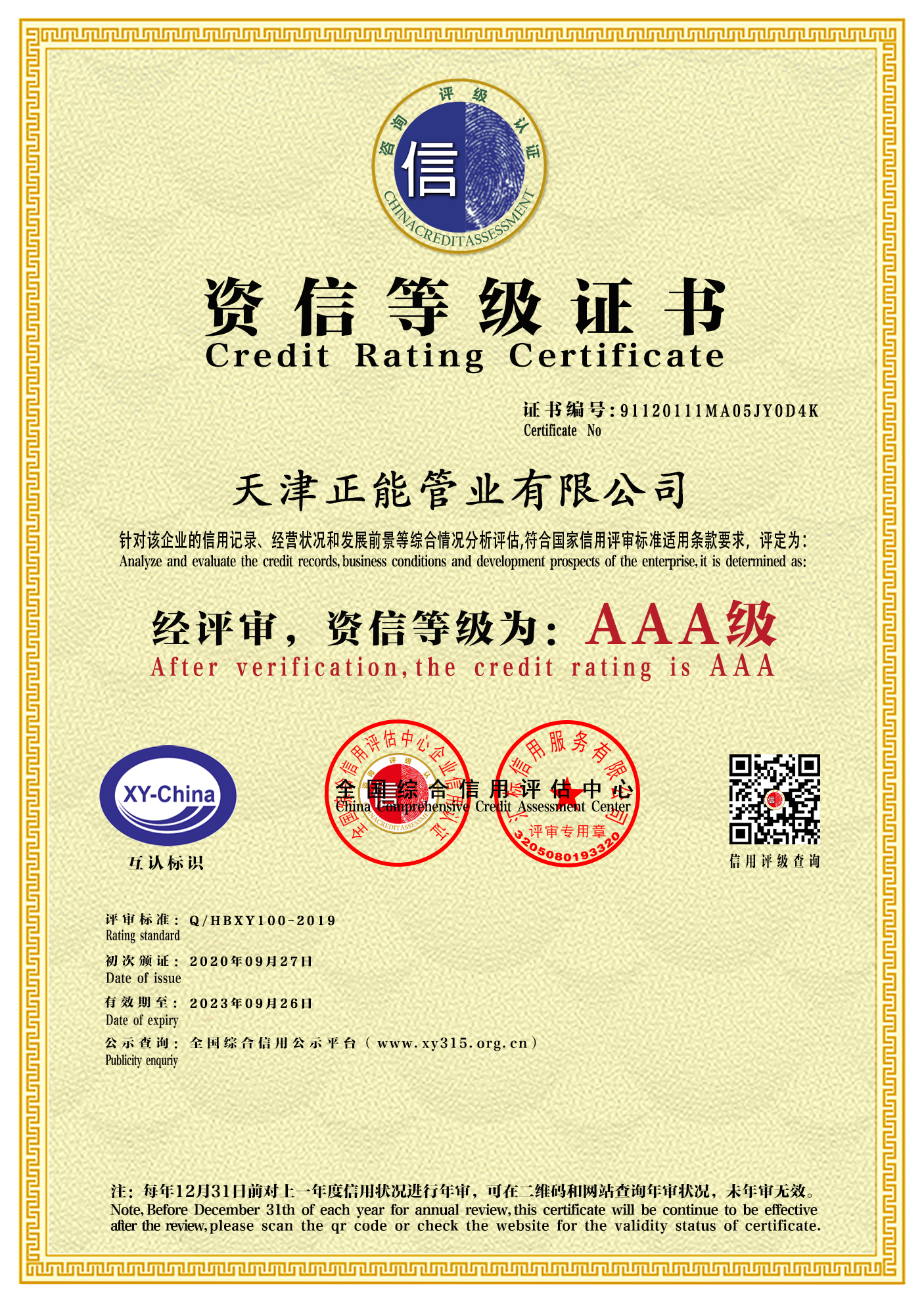
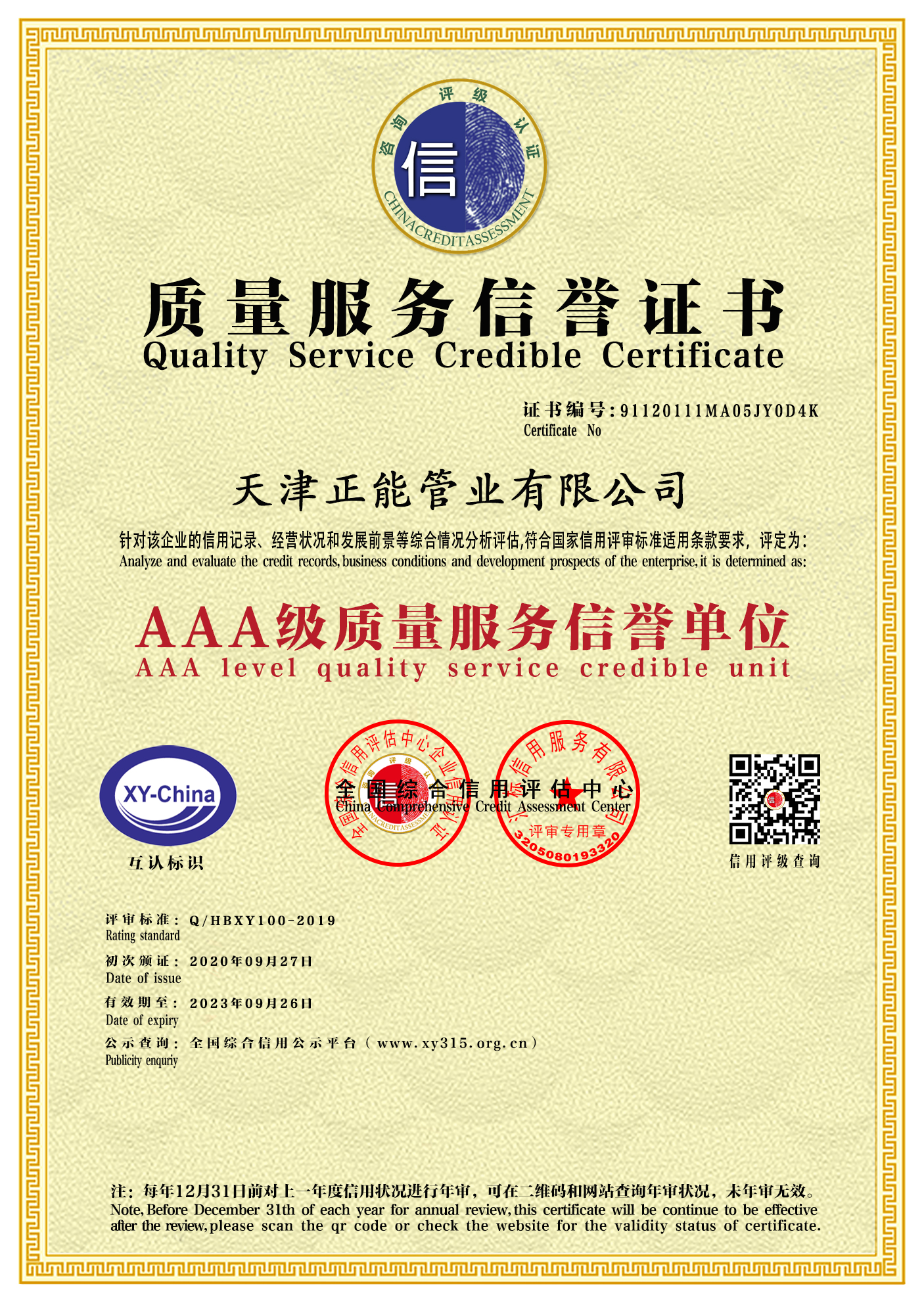
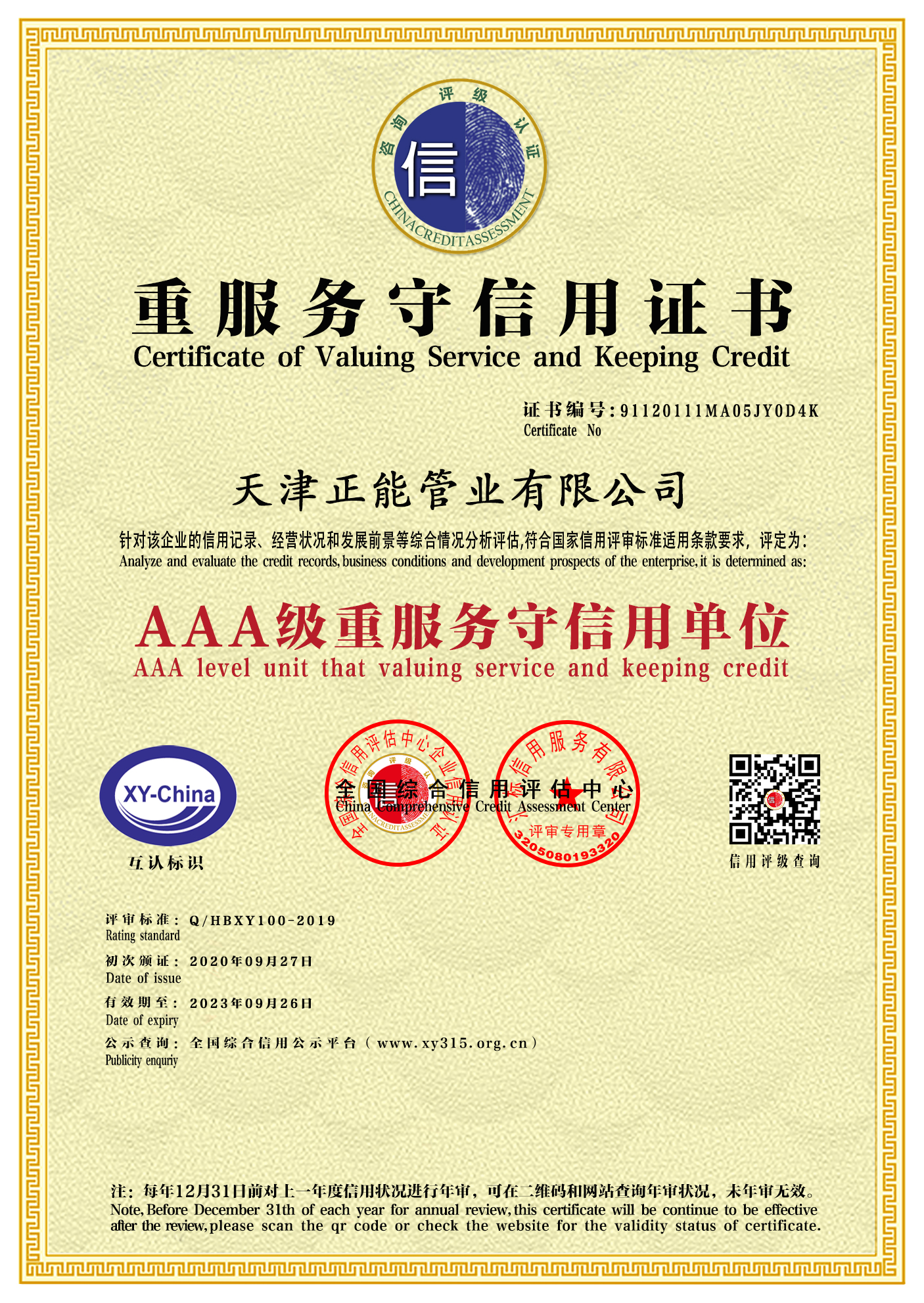
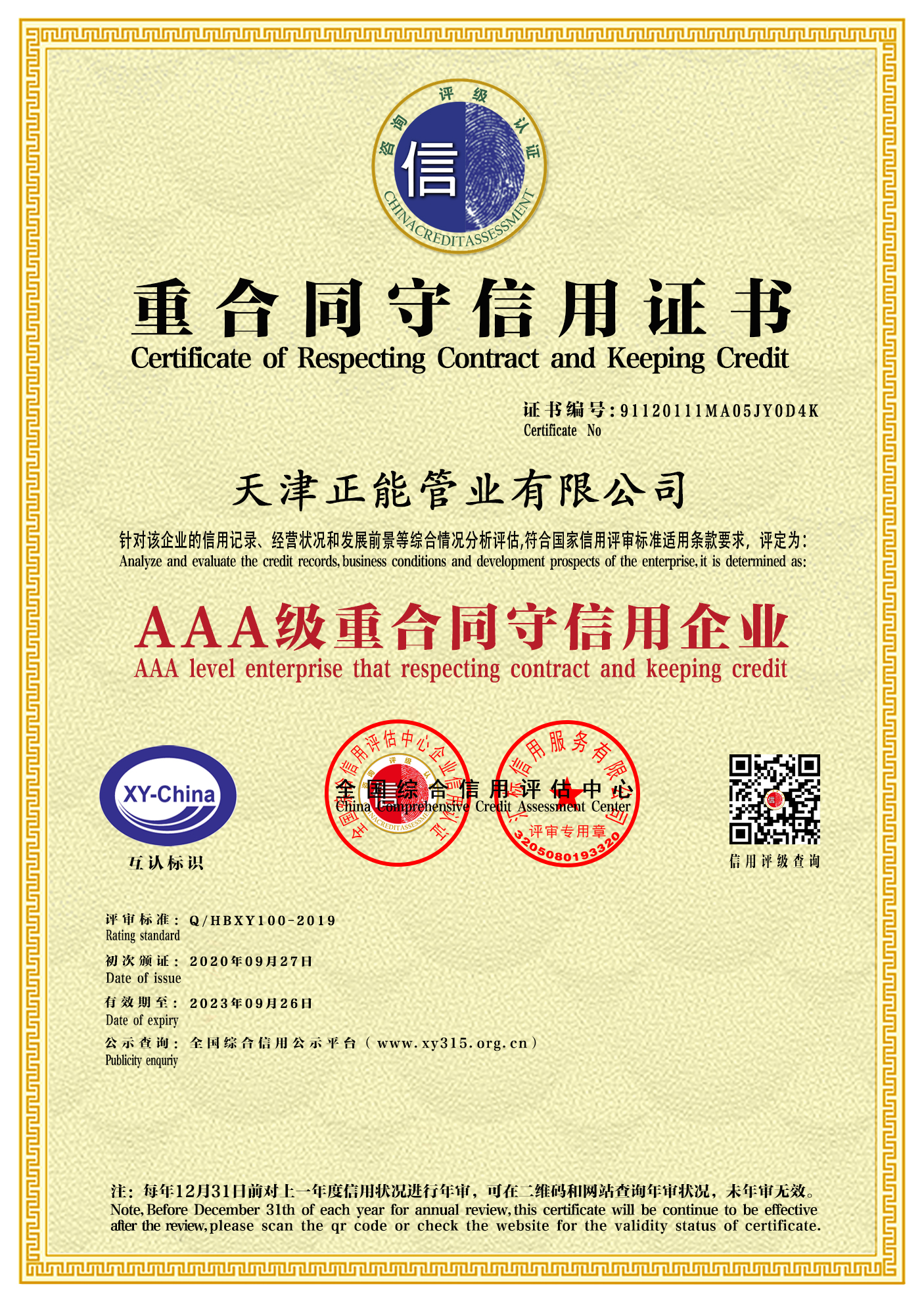
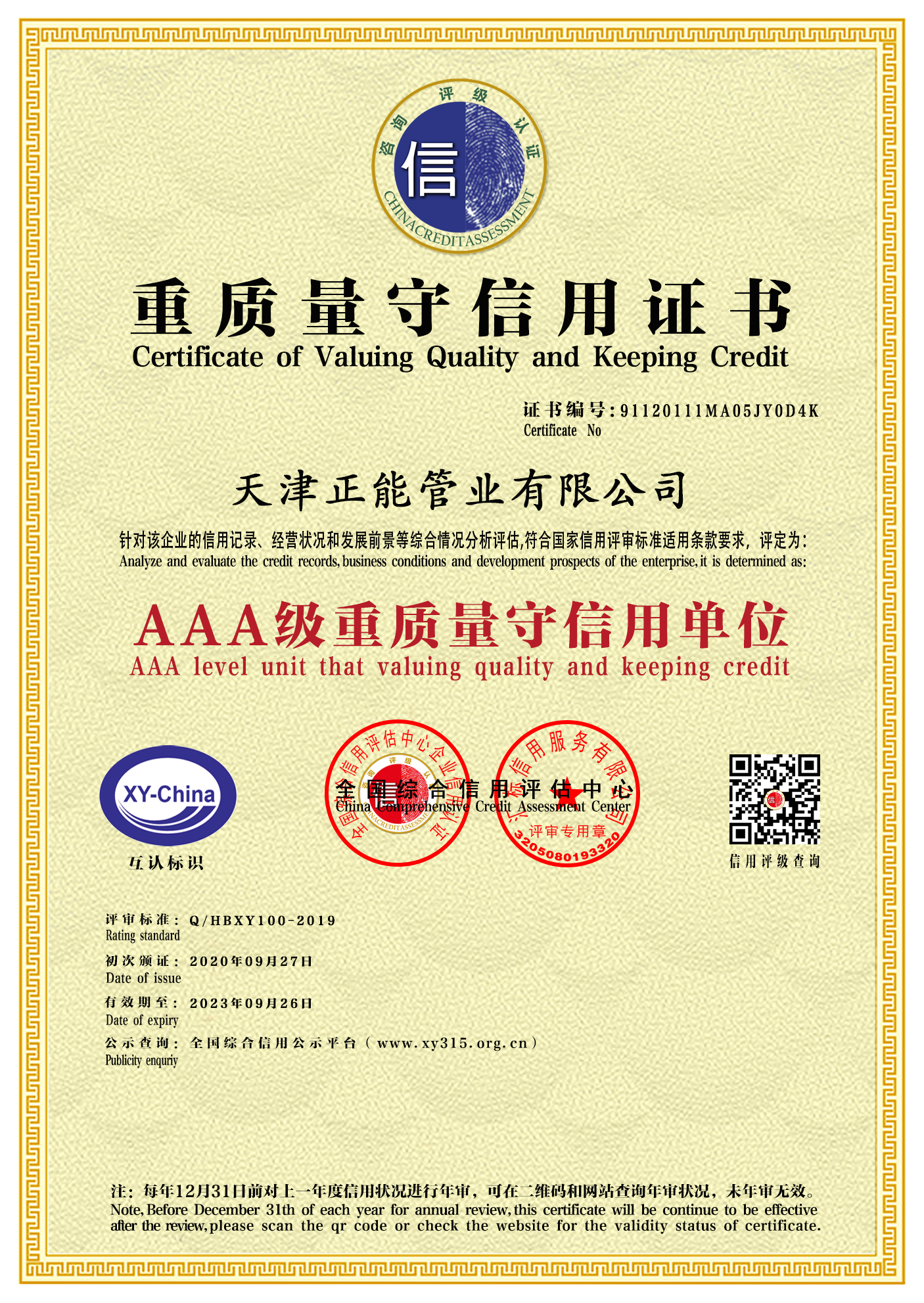
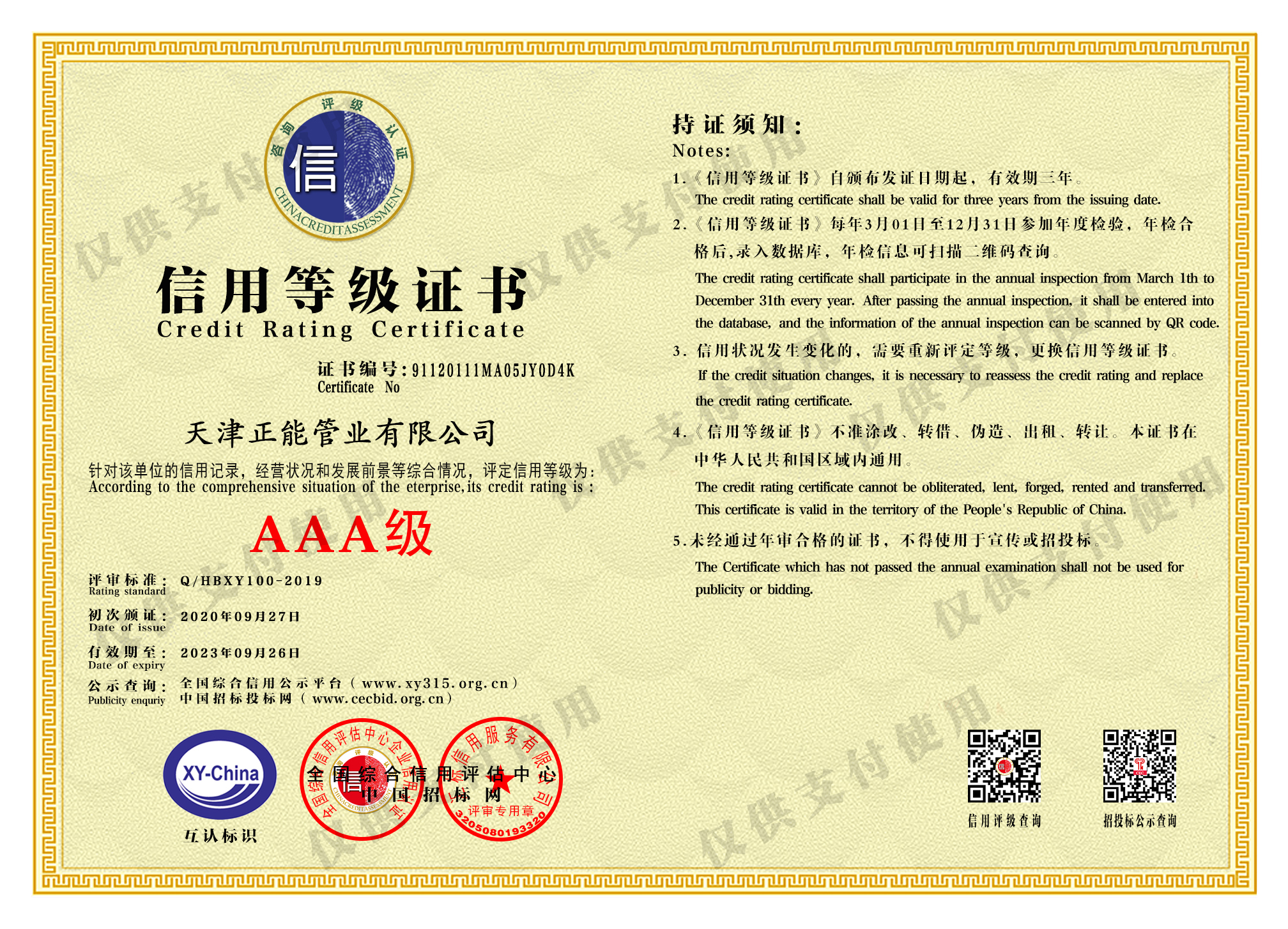
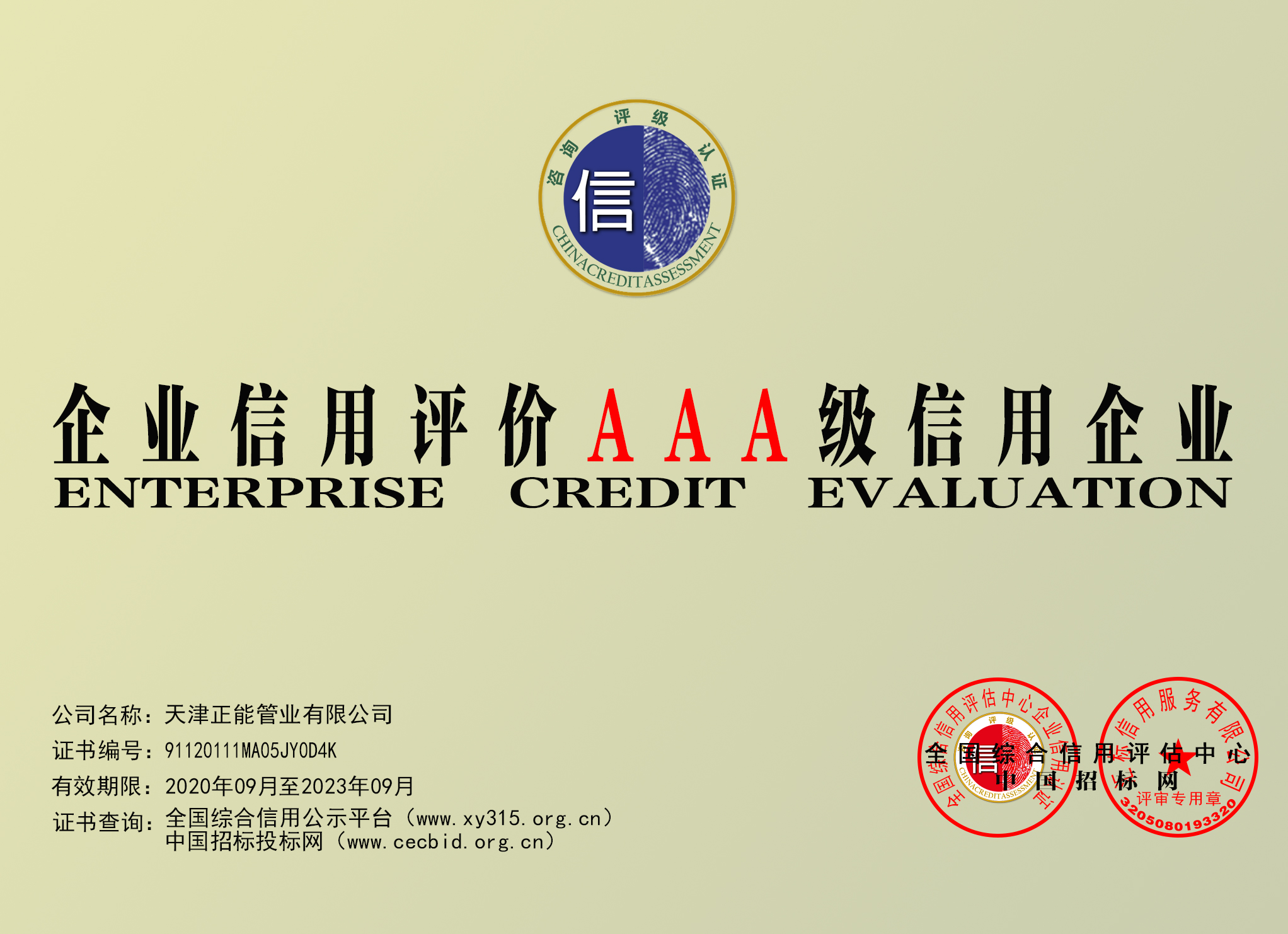
Strict adherence to ISO, PED, AD2000, and IBR requirements assures zero-defect delivery across mission-critical energy projects.
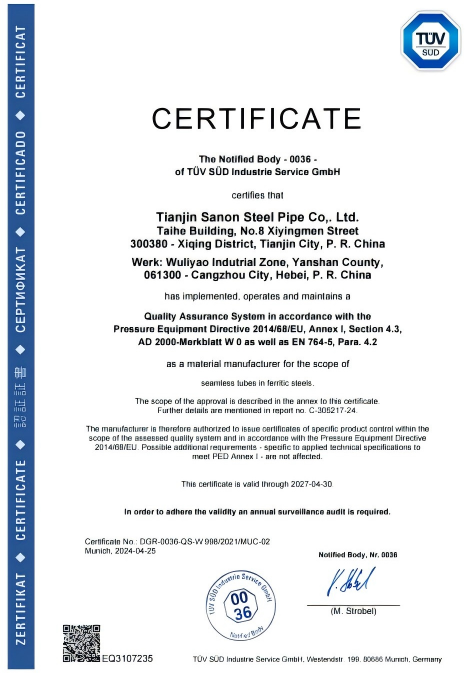
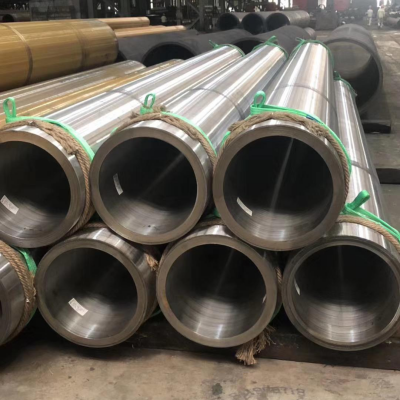
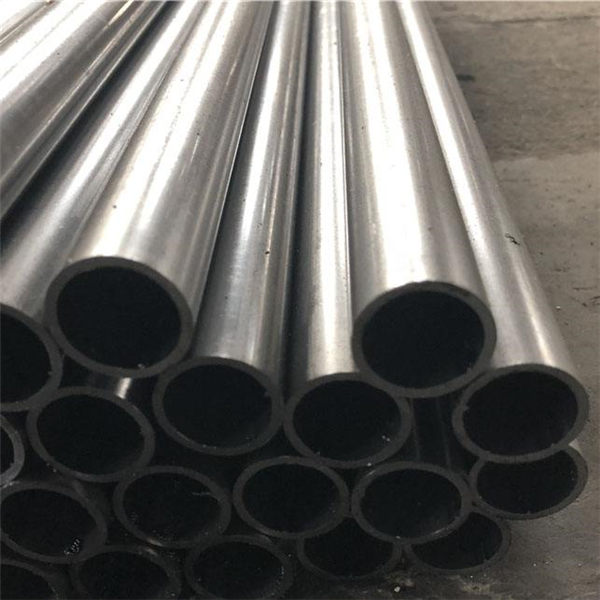
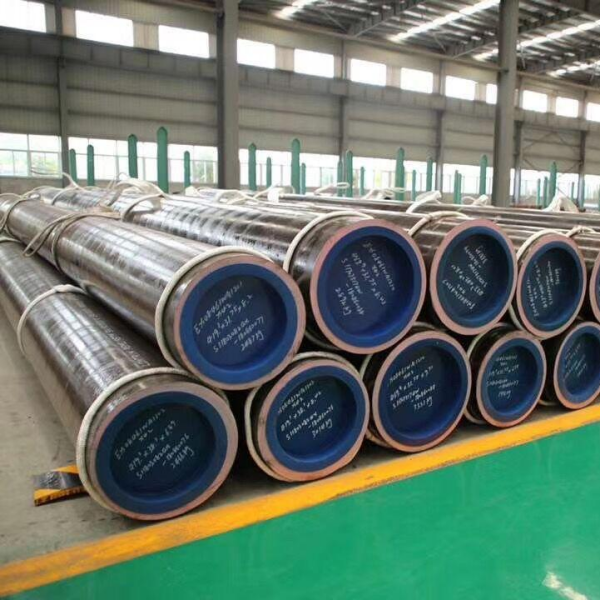
Comprehensive Boiler & Thermal Equipment Piping Portfolio
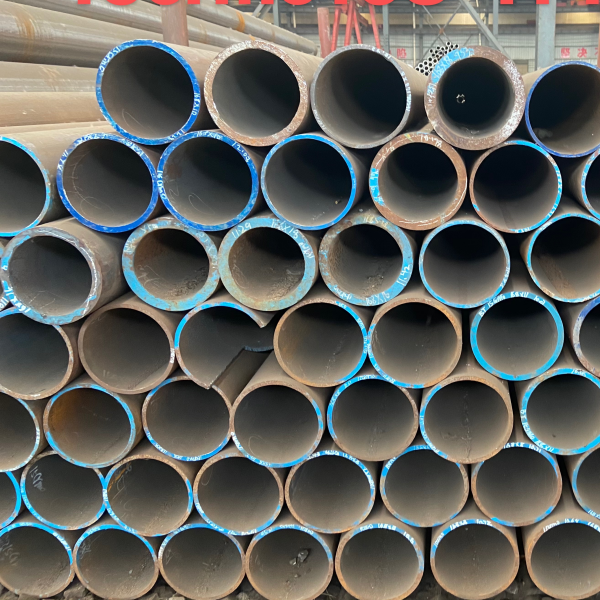
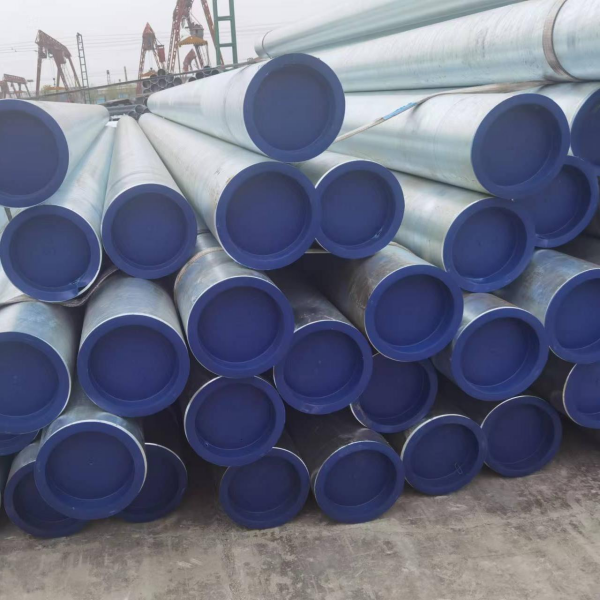
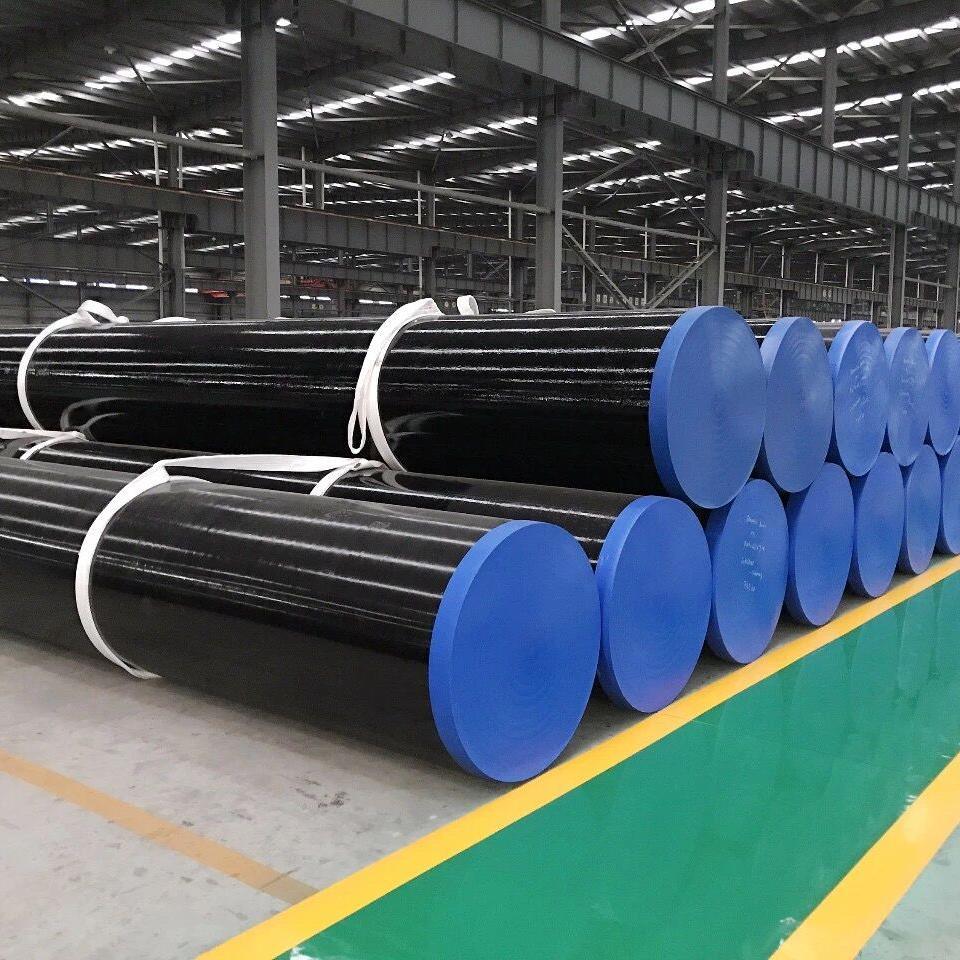
Full-spectrum alloy pipe inventory certified to international standards including ASTM A335, GB/T 5310, GB 3087, and GB 9948.

-

Phone
-

E-mail
-

Whatsapp
-

Wechat
-

Top