
Featured Heat Exchanger Solutions for Gas Transmission

Tianjin Sanon Steel Pipe Co., Ltd.
Premier International Department for Hebei Hong Cheng Pipe Fitting Company
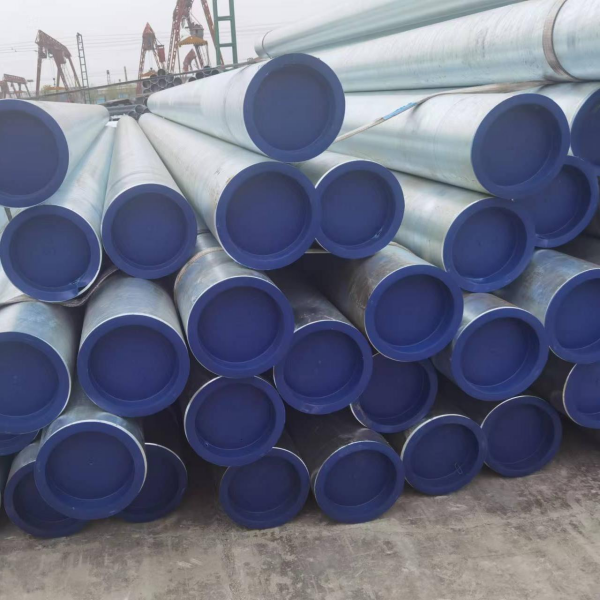
Sanonpipe stands as a global leader and a one-stop supplier of comprehensive steel pipe services. In the specialized field of Heat Exchanger Tube For Gas Transmission, we offer unparalleled expertise covering the entire lifecycle—from rigorous raw material control and precision manufacturing to protective painting, specialized packaging, and global logistics.
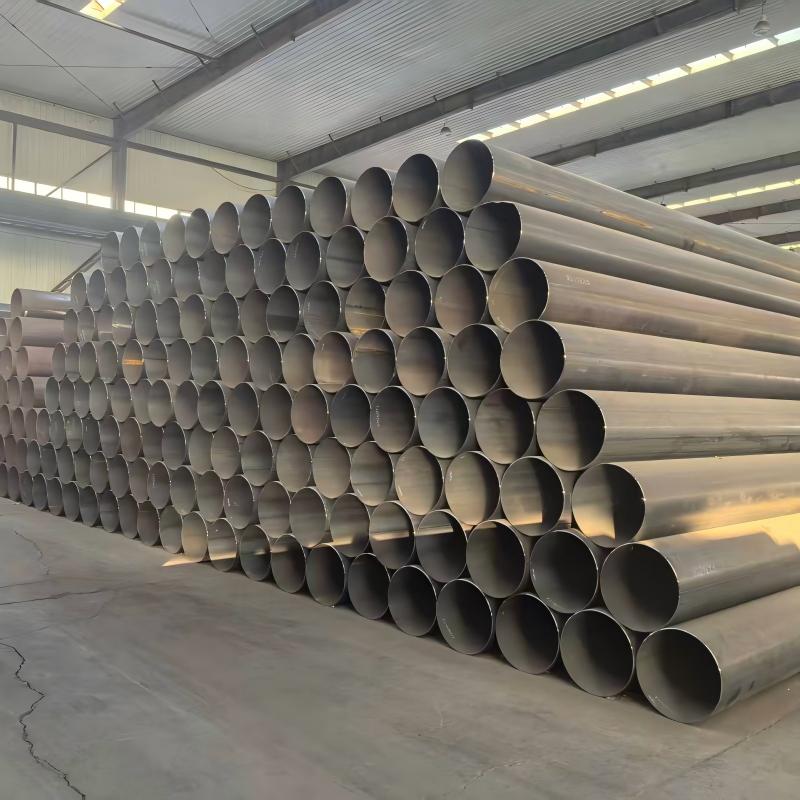
Our infrastructure includes mature cooperative factories and strategic warehouses holding approximately 200,000 tons of seamless steel pipes (carbon and alloy) and 10,000 tons of welded, square, and stainless steel pipes. This massive inventory ensures that we can meet the urgent demands of large-scale gas transmission projects worldwide without delay.
Boiler Pipes (40%) | Line Pipes (30%) | Petrochemical Pipes (10%) | Heat Exchanger Tubes (10%) | Mechanical Pipes (10%)
Deep Analysis: Heat Exchanger Tube For Gas Transmission
The Critical Role in Natural Gas Infrastructure
In the modern industrial landscape, gas transmission is the backbone of global energy security. A Heat Exchanger Tube For Gas Transmission is not merely a conduit; it is a critical component that manages the thermal energy of natural gas as it travels through thousands of miles of pipeline. When gas is compressed for transport, its temperature rises significantly. Conversely, when it is depressurized at city gate stations, the temperature drops (the Joule-Thomson effect). Heat exchanger tubes are essential in cooling compressed gas to prevent pipeline coating damage and pre-heating gas before expansion to prevent hydrate formation and equipment freezing.
Industrial Status and Market Dynamics
The global demand for high-quality heat exchanger tubes is surging, driven by the expansion of Liquefied Natural Gas (LNG) terminals and the modernization of aging pipeline networks in North America, Europe, and Asia. As countries pivot toward natural gas as a "bridge fuel" for decarbonization, the technical requirements for these tubes have become more stringent. Today’s market demands materials that can withstand extreme pressures (up to 150 bar) and temperatures ranging from cryogenic levels in LNG regasification to high heat in compressor stations.
Advanced Material Selection: The Sanon Advantage
Sanon Pipe provides a diverse range of materials specifically engineered for the gas transmission environment:
- SA210C / T11 / T12 / T22 / T23: Ideal for standard heat exchange applications where thermal conductivity and moderate pressure resistance are paramount.
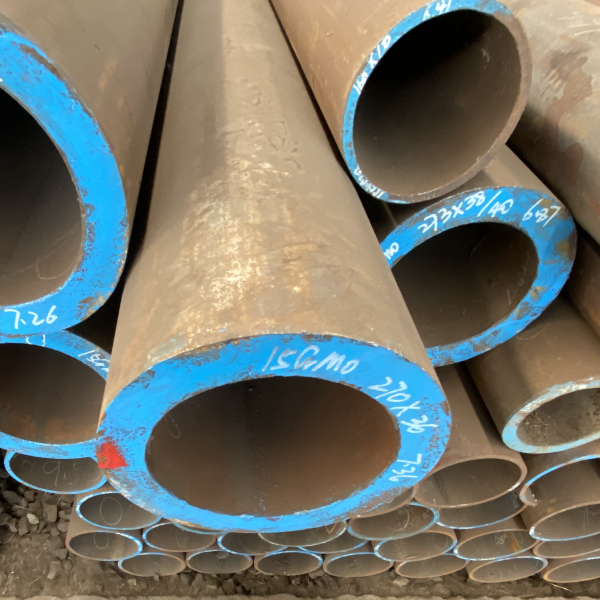
- ASTM A335 (P5, P9, P11, P22, P91, P92): High-alloy steel pipes designed for high-pressure and high-temperature environments, offering superior creep resistance.
- GB/T 5310 Standards: Including 12Cr1MoVG and 15CrMoG, which are widely recognized in Asian infrastructure projects for their durability.
The industry is moving toward "Hydrogen-Ready" pipelines. Future heat exchanger tubes must resist hydrogen embrittlement. Sanon Pipe is already researching low-carbon and specialized alloy compositions to meet the needs of the emerging green hydrogen economy.
Deeper Application Scenarios
1. LNG Regasification: Heat exchanger tubes are used in Vaporizers (IFV or ORV) where seawater or ambient air transfers heat to liquid natural gas, turning it back into a gaseous state for grid injection.
2. Compressor Station After-Coolers: Large-scale centrifugal compressors generate immense heat. Our tubes are used in massive shell-and-tube exchangers to cool the gas, ensuring the integrity of the downstream pipeline.
3. Offshore Gas Platforms: In these corrosive environments, Sanon Pipe provides tubes with specialized coatings and high-chromium content to resist salt-spray corrosion and internal sour gas (H2S) erosion.
Technical Excellence and Longevity
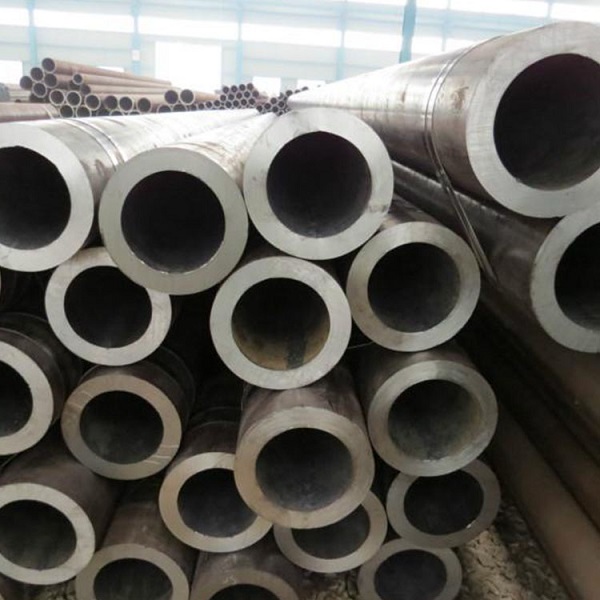
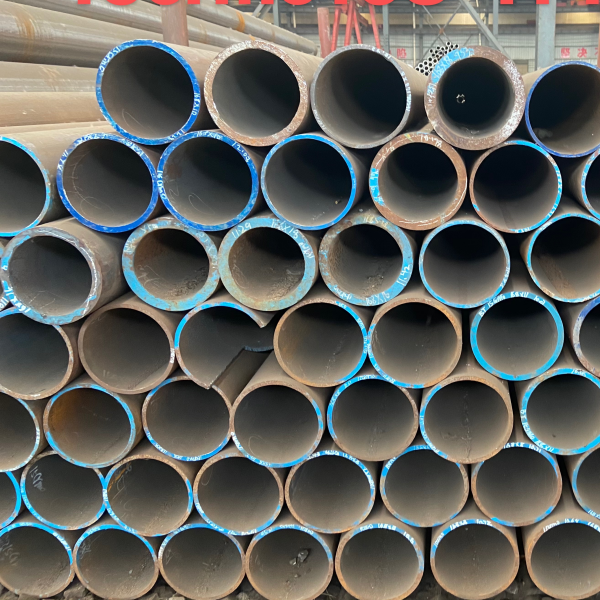
Our seamless steel pipes are manufactured to eliminate the risk of weld-line failure, a critical factor in high-pressure gas transmission. Through advanced heat treatment processes, we ensure a uniform grain structure, which maximizes the tube's lifespan and minimizes maintenance costs for pipeline operators.
Enterprise Culture & Global Vision
Company Vision
To become a globally renowned supplier of pipeline services and project solutions. We offer more than just steel pipes; we provide comprehensive engineering solutions.
Company Mission
Building an agile, reliable, and professional supply chain system to ensure material safety and create outstanding value for global industrial projects.
Core Values
Customer Trust, Professionalism as the Foundation, Collaborative Progress, and Long-term Responsibility.
Our Global Footprint
Our steel pipes are sold all over the world, supported by ocean, air, and railway transport. Main markets include India, Middle East, USA, UK, Italy, Russia, Brazil, Japan, and Australia.
Distinguished Partners


Strategic Supply Chain & Quality Assurance
We partner with the world's most prestigious mills to ensure the quality of every Heat Exchanger Tube For Gas Transmission:
CITIC Pacific Special Steel: A riverside strategic giant in the industrial chain.
Yangzhou Chengde: A unique leader in the 219-720mm seamless pipe variety.
Baotou Steel: The largest steel enterprise in Inner Mongolia with rare earth research capabilities.
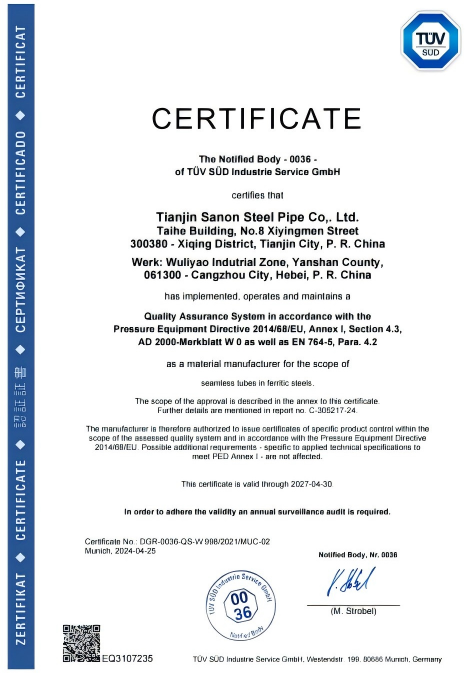
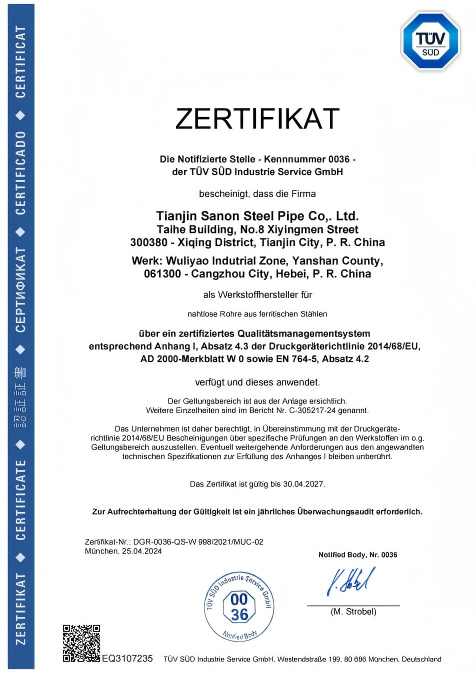
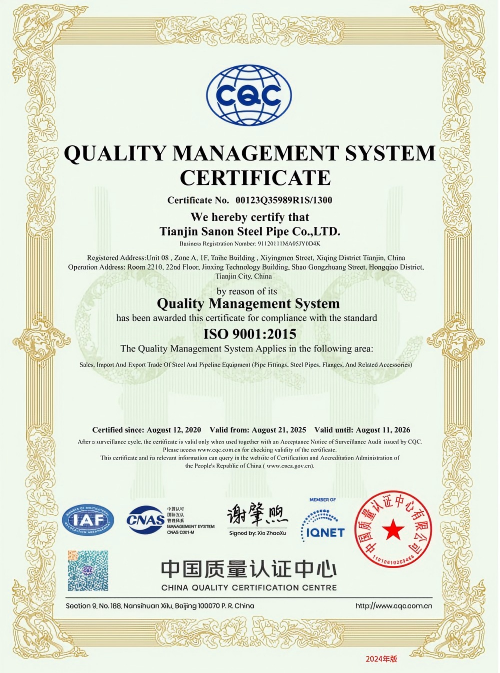
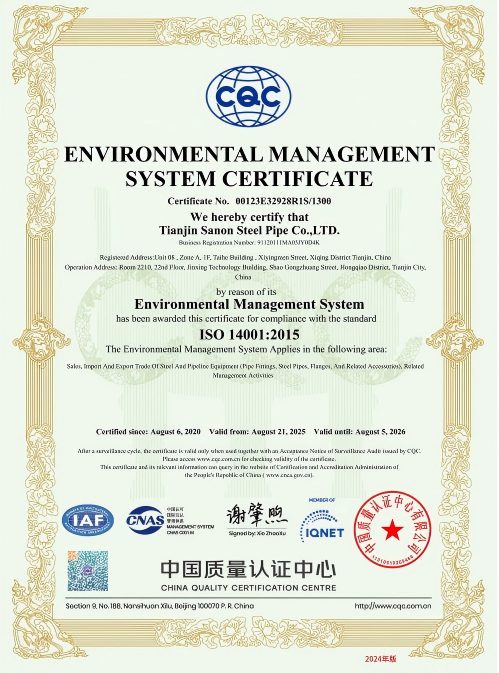
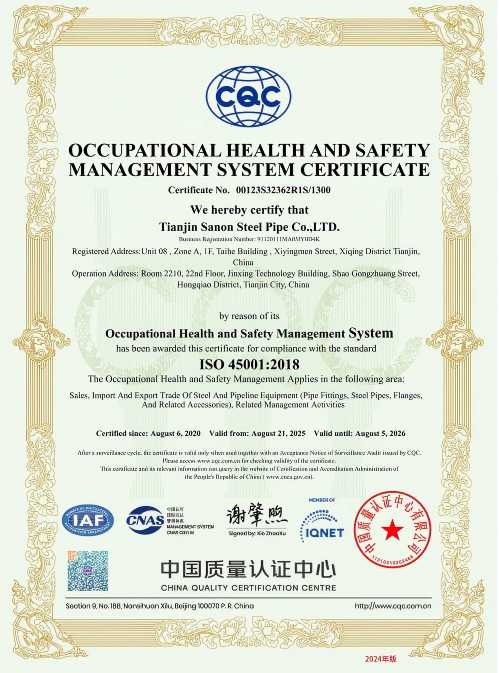
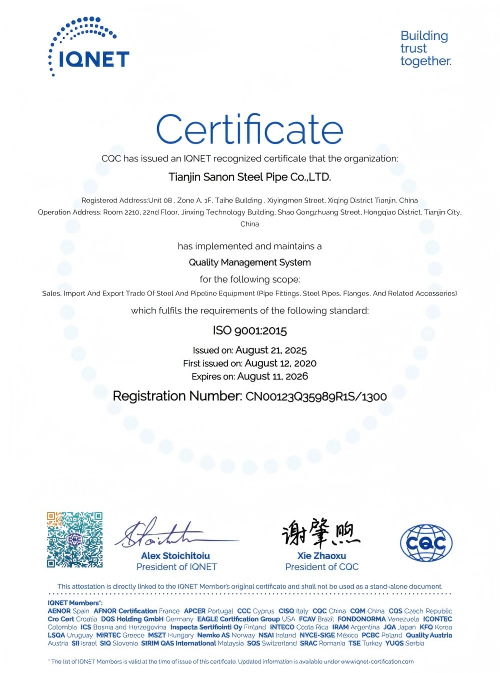
Certifications
Why Choose Sanon Pipe for Gas Transmission?
High Standards
Full traceability + 3rd party inspection ensures zero-defect delivery.
Fast Delivery
20,000 tons of localized stock allows for 7-15 days lead time.
Zero Risk
17-year SOP experience with zero-discrepancy L/C track record.
Green & Low Carbon
Carbon footprint data available for environmental compliance.
Detailed Technical Specifications for Gas Transmission Heat Exchangers
When selecting a heat exchanger tube for gas transmission, several engineering factors must be considered. The thermal conductivity of the material, such as SA210C or ASTM A335, plays a vital role in the efficiency of the heat transfer process. In natural gas compressor stations, the gas is often cooled using shell-and-tube heat exchangers where the gas flows through the tubes and water or air acts as the cooling medium. The tubes must be able to withstand high internal pressures while maintaining their structural integrity over decades of operation.
Furthermore, the chemical composition of the natural gas can significantly impact the choice of material. For "sour gas" containing high levels of hydrogen sulfide (H2S), specialized alloy steel pipes like P5 or P9 are often required to prevent sulfide stress cracking. Tianjin Sanon Steel Pipe Co., Ltd. ensures that all tubes meet the strict requirements of international standards such as ASME, ASTM, and GB/T to provide the highest level of safety.
The manufacturing process of seamless steel tubes involves heating a solid billet and piercing it to create a hollow shell. This is followed by rolling and drawing to achieve the desired dimensions and mechanical properties. Unlike welded pipes, seamless tubes do not have a longitudinal weld seam, which eliminates the risk of seam failure—a common concern in high-pressure gas transmission pipelines. Our quality control team utilizes ultrasonic testing, eddy current testing, and hydrostatic testing to ensure every tube is free from internal defects.
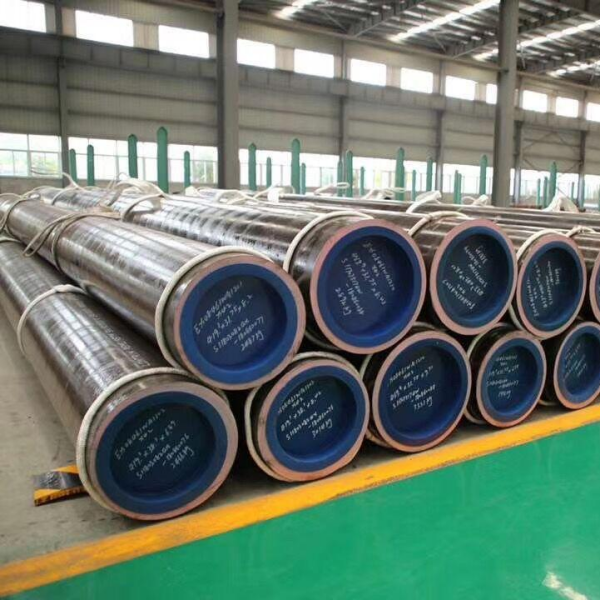
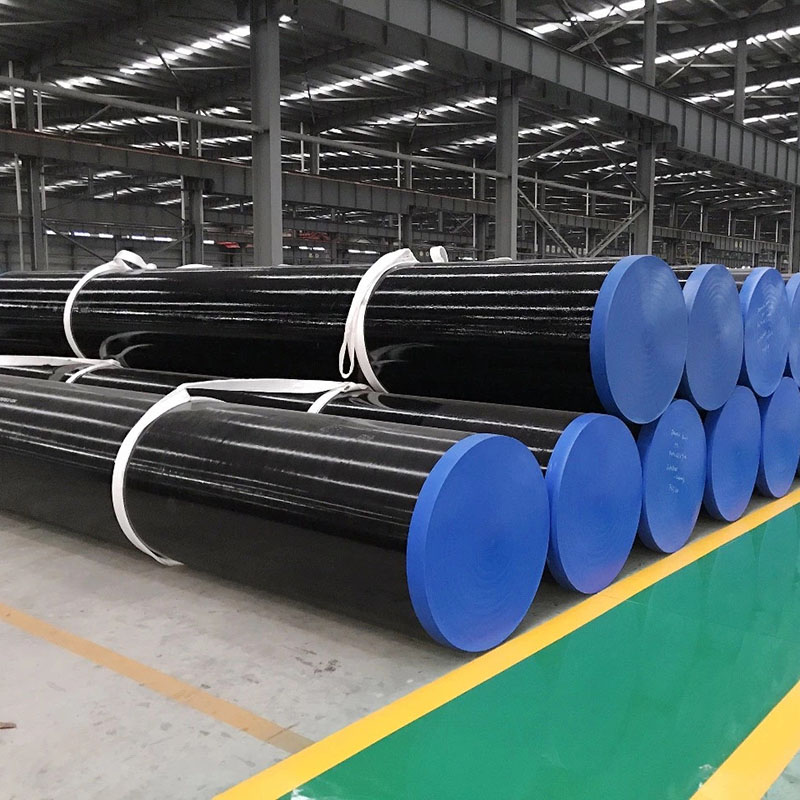
In addition to the technical aspects, the commercial landscape for heat exchanger tubes is evolving. With the global push towards sustainable energy, many pipeline operators are looking for ways to reduce their carbon footprint. Sanon Pipe supports these initiatives by providing carbon footprint data for our products and optimizing our supply chain to reduce transport-related emissions. We also offer specialized coatings, such as 3LPE or FBE, to protect the exterior of the tubes from soil corrosion in buried pipeline applications.
As we look toward the future, the integration of digital twins and smart monitoring in gas transmission systems will require heat exchanger tubes that are compatible with advanced sensing technologies. Sanon Pipe is at the forefront of this digital transformation, working with partners to develop "smart" pipeline components that can provide real-time data on pressure, temperature, and corrosion rates. This proactive approach to maintenance will significantly reduce downtime and improve the overall reliability of gas transmission networks worldwide.
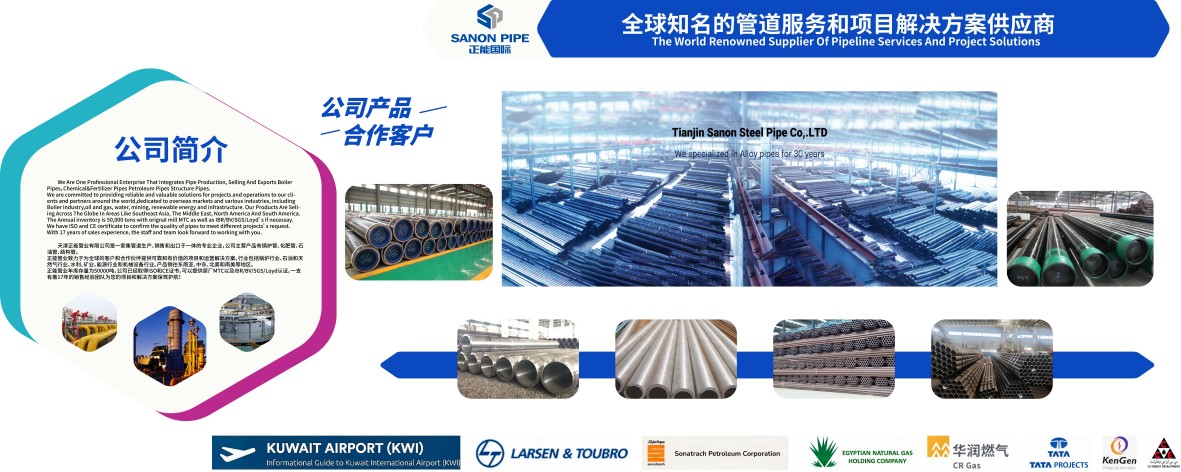
Our commitment to excellence is reflected in our long-standing relationships with industry giants such as CSSC, OMV, and Reliance Industries. By providing not just products, but complete pipeline solutions, we help our clients navigate the complexities of modern energy infrastructure projects. Whether it is a small-scale city gate station or a massive cross-border pipeline, Sanon Pipe has the expertise, inventory, and global reach to deliver the right Heat Exchanger Tube For Gas Transmission every time.
-

Phone
-

E-mail
-

Whatsapp
-

Wechat
-

Top