
Featured Low-Temperature & Structural Tubular Products
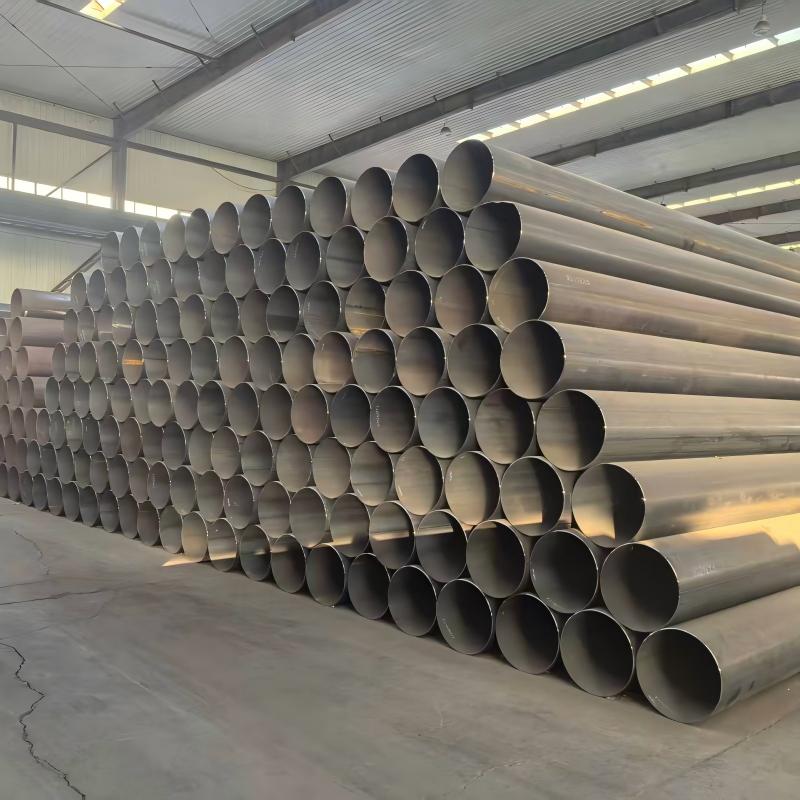 BS EN 10219-1: Cold formed welded structural hollow sections of non-alloy & fine grain steels for cryogenic structures
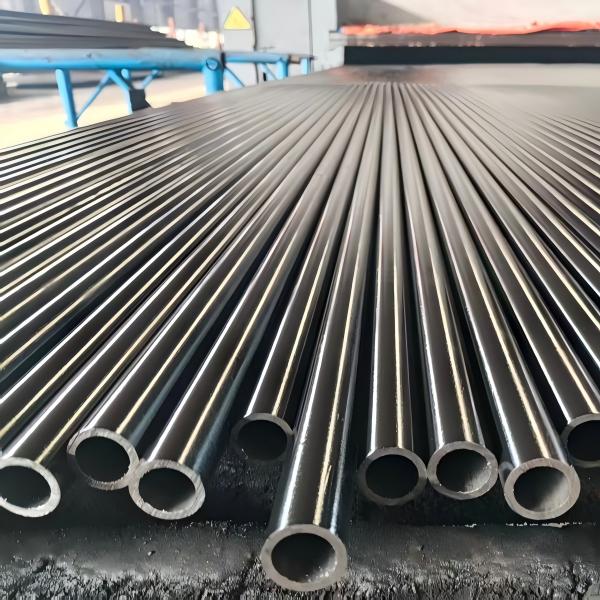 ASTM A210 Seamless Medium carbon steel boiler & superheat tubes for low-temp exchangers
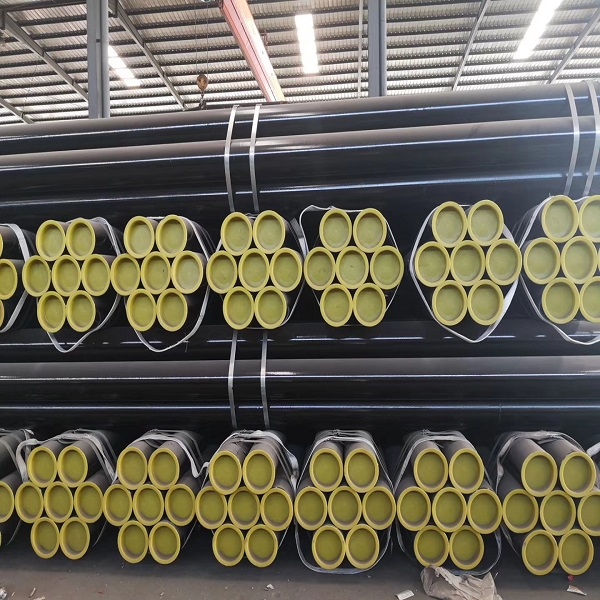 GB/8162-2008 Standard Seamless steel tubes for normal structure & sub-zero framework
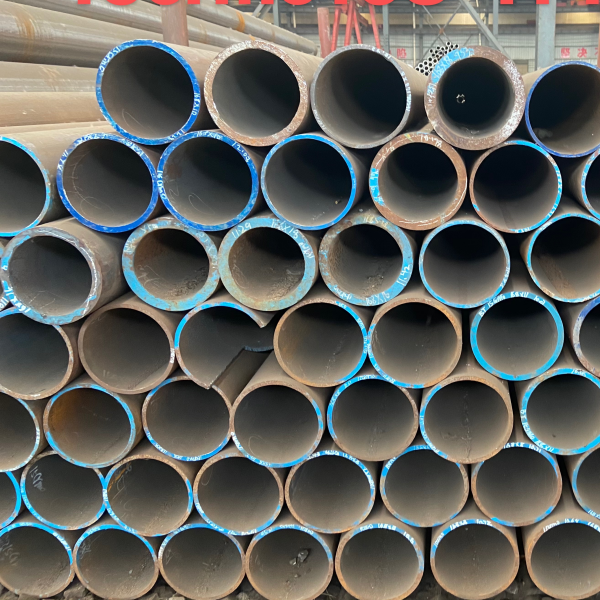 Seamless steel tubes for high-pressure boilers in GB/T5310-2017 Standard
Metallurgical Engineering of Carbon Steel Pipe for Low Temperature Service
In sub-zero and cryogenic environments, standard carbon steel undergoes a fundamental physical phenomenon known as the ductile-to-brittle transition. Under ambient conditions, steel deforms plastically prior to fracture; however, when temperatures drop below freezing (ranging from -20°C down to -196°C), standard ferritic structures exhibit catastrophic brittle failure under tensile stress or impact loads. To overcome this limitation, specialized Carbon Steel Pipe for Low Temperature Service is engineered with precise alloying additions, strict grain refinement, and optimized thermal heat treatments.
Charpy V-Notch Ductility
Low-temperature seamless carbon steel pipes undergo mandatory Charpy V-Notch impact testing down to -45°C (-50°F) or -101°C (-150°F). Maintaining impact energy absorption values (typically ≥ 27 Joules) guarantees that the pipe wall suppresses crack initiation and propagation during sudden thermal shocks or pressure spikes.
Fine Grain & Nickel Alloying
Controlling element ratios is paramount. Low carbon content (≤ 0.30%) preserves weldability, high manganese-to-carbon ratio enhances toughness, and micro-additions of Aluminum (fully killed steel) or Nickel (such as 3.5% Ni in ASTM A333 Grade 3) stabilize the face-centered cubic micro-matrix at extreme chill levels.
Normalized Heat Treatment
Seamless pipes intended for low-temperature service undergo uniform Normalizing (heating above the AC3 transformation temperature followed by controlled air cooling) or Quenching and Tempering (Q&T). This thermal cycle eliminates residual casting stresses and refines pearlite-ferrite grain size.
Prominent International Standards for Low-Temp Carbon Steel Pipes
Global engineering specifications govern the manufacturing, non-destructive examination (NDE), and impact parameters of low-temperature tubular products. The table below outlines the primary industrial standards utilized by project engineers worldwide:
| Specification / Standard | Grade Designation | Min. Impact Test Temp. | Typical Application Scope |
|---|---|---|---|
| ASTM A333 / ASME SA333 | Grade 6 (Carbon-Manganese) | -45 °C (-50 °F) | General refinery piping, LPG transport, low-pressure chill loops. |
| ASTM A333 / ASME SA333 | Grade 3 (3.5% Nickel Alloy) | -101 °C (-150 °F) | Ethylene fractionators, subsea Arctic gas risers, LNG processing plants. |
| EN 10216-4 | P215NL / P255QL | -40 °C to -50 °C | European pressure equipment directive (PED) low-temperature vessels. |
| GB/T 18984 | 09DG / 16MnDG | -45 °C to -100 °C | Petrochemical low-temperature heat exchangers and cold chemical lines. |
Commercial Landscape & Global Demand Drivers
The international market for Carbon Steel Pipe for Low Temperature Service is experiencing dynamic expansion, fueled by the global transition toward cleaner gaseous fuels, liquefied energy logistics, and extreme-climate exploration.
1. The Global LNG Supply Chain Boom
Liquefied Natural Gas (LNG) requires condensation to liquid form at -162°C. While inner cryogenic containment vessels utilize austenitic stainless steel or 9% nickel steel, massive secondary infrastructure—including regasification loops, LPG boil-off lines, utility cooling manifolds, and offsite processing plants—extensively relies on cost-effective ASTM A333 Grade 6 and Grade 3 carbon steel piping systems.
2. Carbon Capture, Utilization & Storage (CCUS)
Emerging decarbonization initiatives demand specialized pipelines to transport dense-phase, liquefied Carbon Dioxide ($CO_2$). Under pressure (over 7.38 MPa) and chilled temperatures down to -40°C, these CCUS trunklines necessitate low-temperature seamless carbon steel pipes capable of resisting ductile fracture propagation under sudden decompression scenarios.
3. Arctic Exploration & Subsea Infrastructure
Energy exploration in northern latitudes (such as the Arctic Circle, North Sea, and Northern Pacific) subjects offshore platform structures, mudlines, and subsea risers to ambient surface temperatures well below zero. Specifying low-temp high-yield carbon steel hollow sections ensures structural resistance against heavy sea ice dynamic loading and severe wind forces.
- Ethylene & Propylene Chilling Towers in Ethylene Cracker Plants
- Ammonia and Nitrogen Refrigeration Transfer Infrastructure
- Cold-Climate Boiler Feedwater & Air Separation Systems
- Offshore FPSO Topsides Low-Temperature Process Piping
About Tianjin Sanon Steel Pipe Co., LTD.
Tianjin Sanon Steel Pipe Co.,LTD. is the official branch company and international department for Hebei Hong Cheng Pipe Fitting Company.
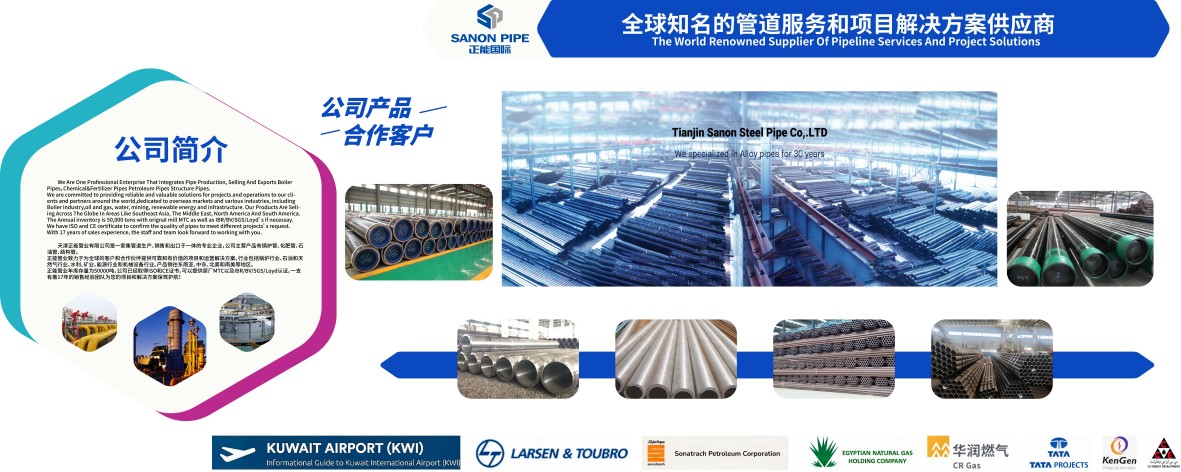
Sanonpipe is a one-stop supplier of steel pipe services. Our services cover the entire process from raw material control, packaging, painting, and shipping, saving clients time and costs. We have established mature cooperative factories and warehouses, with approximately 200,000 tons of seamless steel pipes, including carbon steel and alloy steel pipes. We also have 10,000 tons of welded pipes, square and rectangular pipes, and stainless steel pipes in stock.
Our Company’s Main Products Include: Boiler Pipes Account For 40%; Line Pipes Account For 30%; Petrochemical Pipes Account For 10%; Heat Exchanger Tubes Account For 10% ; Mechanical Pipes Account For 10%. Wide Range Of Products: Our Main Product Lineup Includes SA106B, 20g, Q345, 12Cr1MoVG, 15CrMoG, Cr5Mo, 1Cr9Mo, 10CrMo910, And A335P5/P9/P11/P12/P22/P91/P92.
Complete Steel Pipe Grade & Application Portfolio
Alloy Steel Pipe Material As Long As:
ASTM A335/A335M-2018: P5, P9, P11, P12, P22, P91, P92;
GB/T5310-2017: 20mng, 25mng, 15mog, 20mog, 12crmog, 15crmog, 12cr2mog, 12crmovg;
ASME SA-213/SA-213M: T11, T12, T22, T23, T91, P92, T5, T9, T21;
GB9948-2006: 15MoG, 20MoG, 12CrMoG, 15CrMoG, 12Cr2MoG, 12CrMoVG, 20G, 20MnG, 25MnG;
GB6479-2013: 12CrMo, 15CrMo, 12Cr1MoV, 12Cr2Mo, 12Cr5Mo, 10MoWVNb, 12SiMoVNb;
SA210C / T11, T12, T22, T23, T91, T92
These High-Quality Seamless Steel Pipes Are Carefully Manufactured To Meet Industry Standards And Are Known For Their Robustness, Corrosion Resistance, And Longevity.
Enterprise Culture & Core Values
Company Vision
To Become A Globally Renowned Supplier Of Pipeline Services And Project Solutions. What we offer is not merely steel pipe products, but a series of comprehensive services and solutions centered around steel pipes. We have a deep cooperative "partnership" relationship with our customers rather than a simple buyer-seller relationship.
Company Mission
By building an agile, reliable and professional steel pipe supply chain system, we ensure material safety and create outstanding value for global industrial projects.
Company Values
Customer trust, Professionalism as the foundation, Collaborative progress, and responsibility for the long term.
Global Reach, Prestigious Clients & Supply Partners
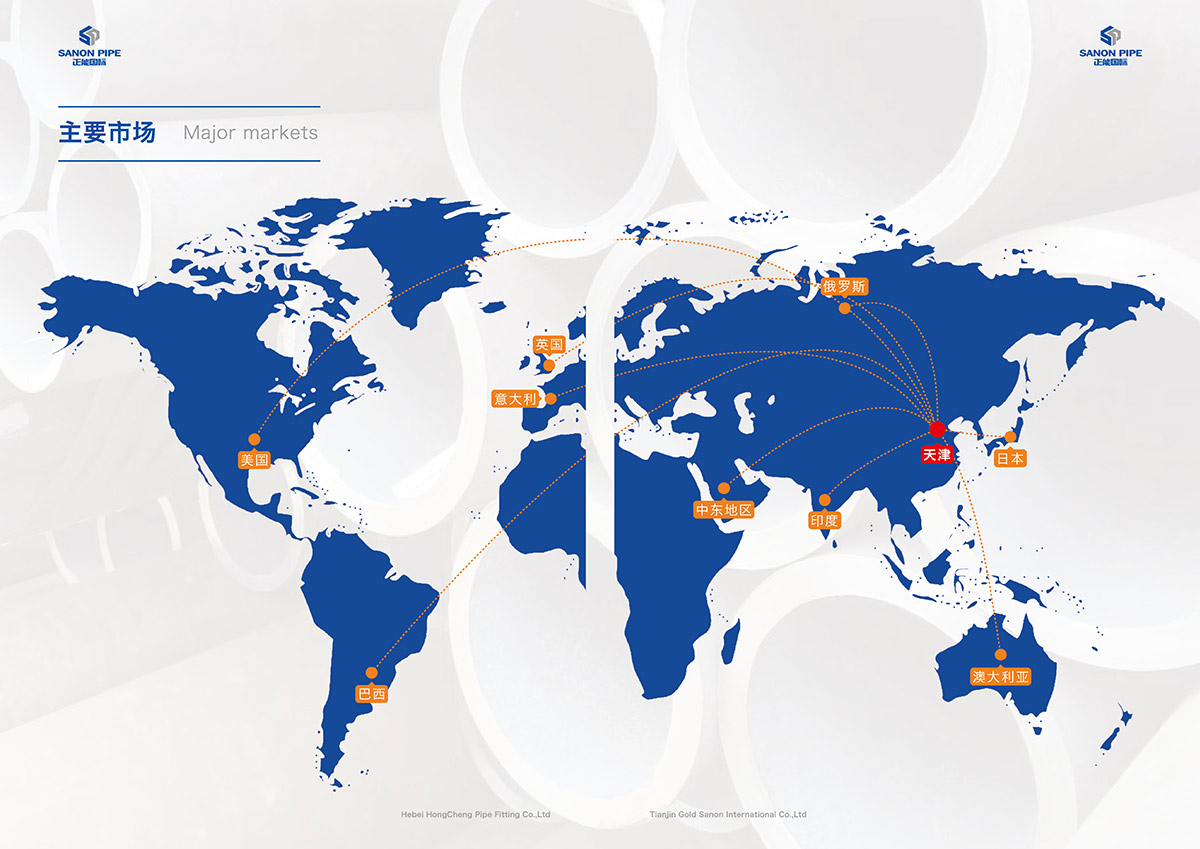
Our steel pipes are sold all over the world, and we have already cooperated with customers in many countries. The main markets are India, the Middle East, the United States, the United Kingdom, Italy, Russia, Brazil, Japan and Australia. The transport methods of our steel pipes are ocean transport, air transport and railway transport.
Main Global Project Customers
 CHINA STATE SHIPBUILDING CORPORATION LIMITED
 OMV
 Larsen & Toubro
 National Iranian Steel Company (NISCO)
 Reliance Industries Limited
 Nigerian National Petroleum Corporation Group (NNPC)
 Van Leeuwen Pipe and Tube Group
 Stemcor Global Holdings Limited
 Samsung Electronics
 Total
 Indian Oil Corporation Limited
 China Petrochemical Corporation (Sinopec Group)
 Siemens
 Thyssenkrupp
 Tata Group
 Kuwait Airport (KWI)
Main Raw Material Steel Mill Suppliers
Hengyang Valin Steel Tube Co.,Ltd. (hereinafter referred to as HYST) was founded in 1958, it is a subsidiary of Hunan Valin Iron & Steel Group Co., Ltd. It now has 3900 employees with total assets of 13.5 billion Yuan. It is accredited as a high and new technology enterprise, an enterprise with an advantage in intellectual property rights nationally, an enterprise among the top ten enterprises in export business in Hunan Province.
CITIC Pacific Special Steel Holdings (CITIC Special Steel for short), is a subsidiary of CITIC Limited. It had owned such subordinate companies as Jiangyin Xingcheng Special Steel Works Co., Ltd, Hubei Xinyegang Steel Co., Ltd, Daye Special Steel Co., Ltd, Qingdao Special Steel Co., Ltd, Jingjiang Special Steel Co., Ltd, Tongling Pacific Special Materials Co., Ltd and Yangzhou Pacific Special Materials Co., Ltd.
Yangzhou Chengde Steel Pipe Co., Ltd. is a spin off from Jiangsu Chengde Steel Pipe Co., Ltd., which is the second country-class enterprise, provincial science and technology private enterprise with the main production of various 219-720×3-100mm carbon steels and alloy steel seamless steel pipes for Thermal power, Petrochemical & Refinery, boiler, and cryogenic systems.
Baotou Iron and Steel Group (Baotou Steel or Baogang Group) is an iron and steel state-owned enterprise in Baotou, Inner Mongolia, China. Reorganized in 1998 from Baotou Iron and Steel Company established in 1954, it is the largest steel enterprise in Inner Mongolia with a large production base of high-grade seamless steel pipes.
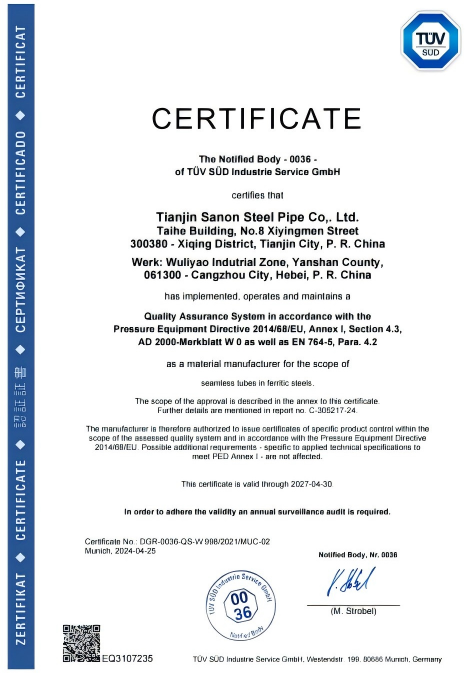
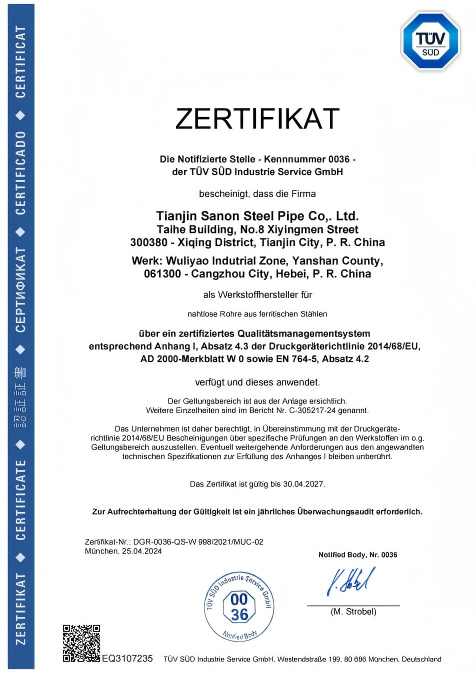
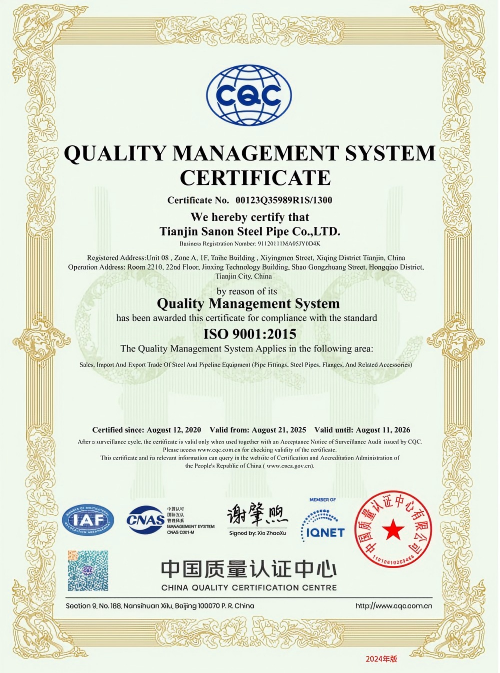
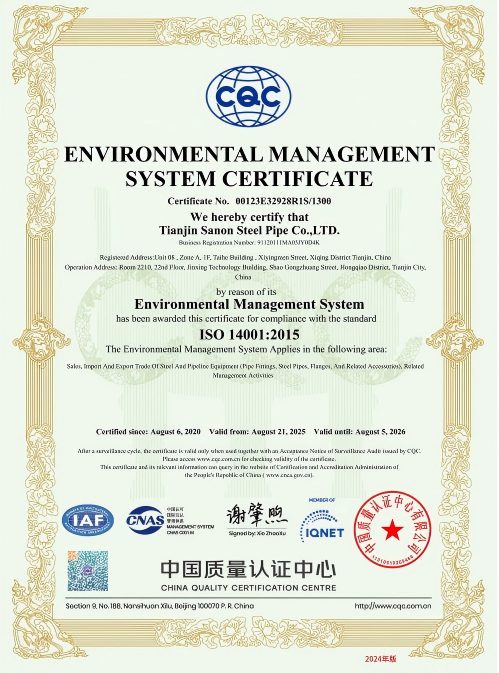
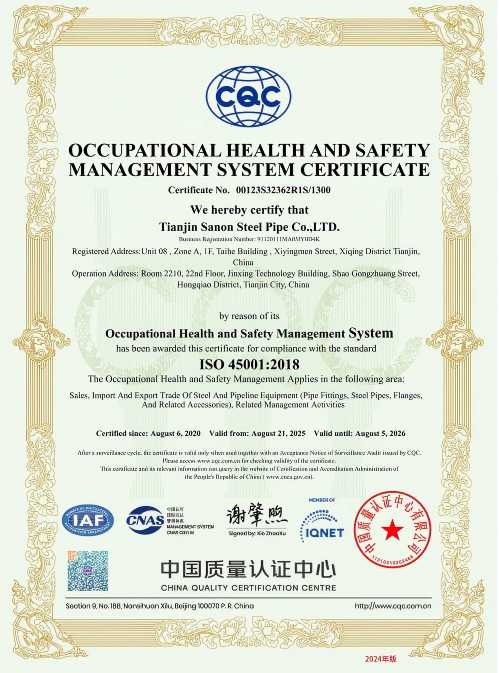
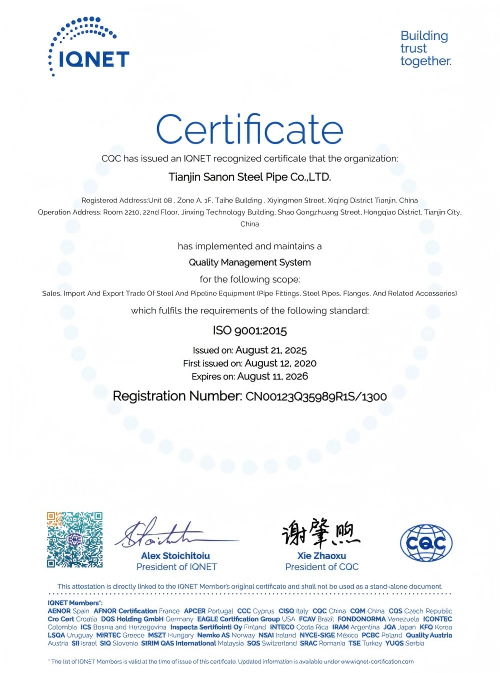
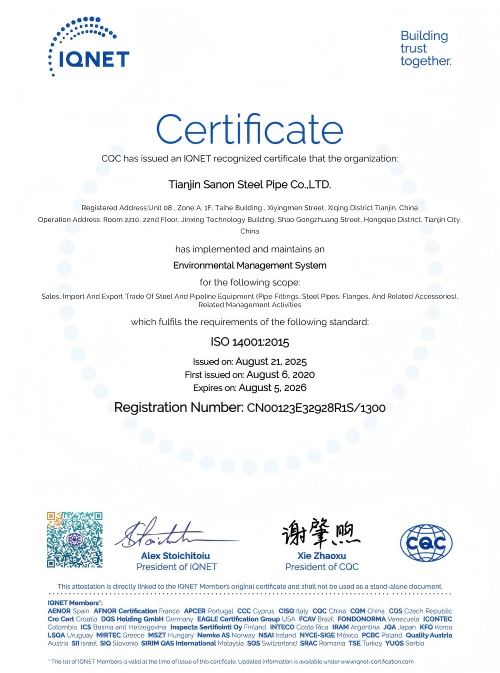
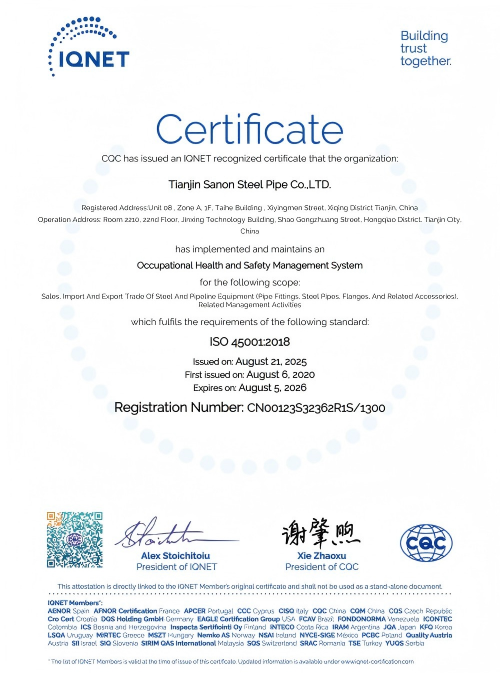
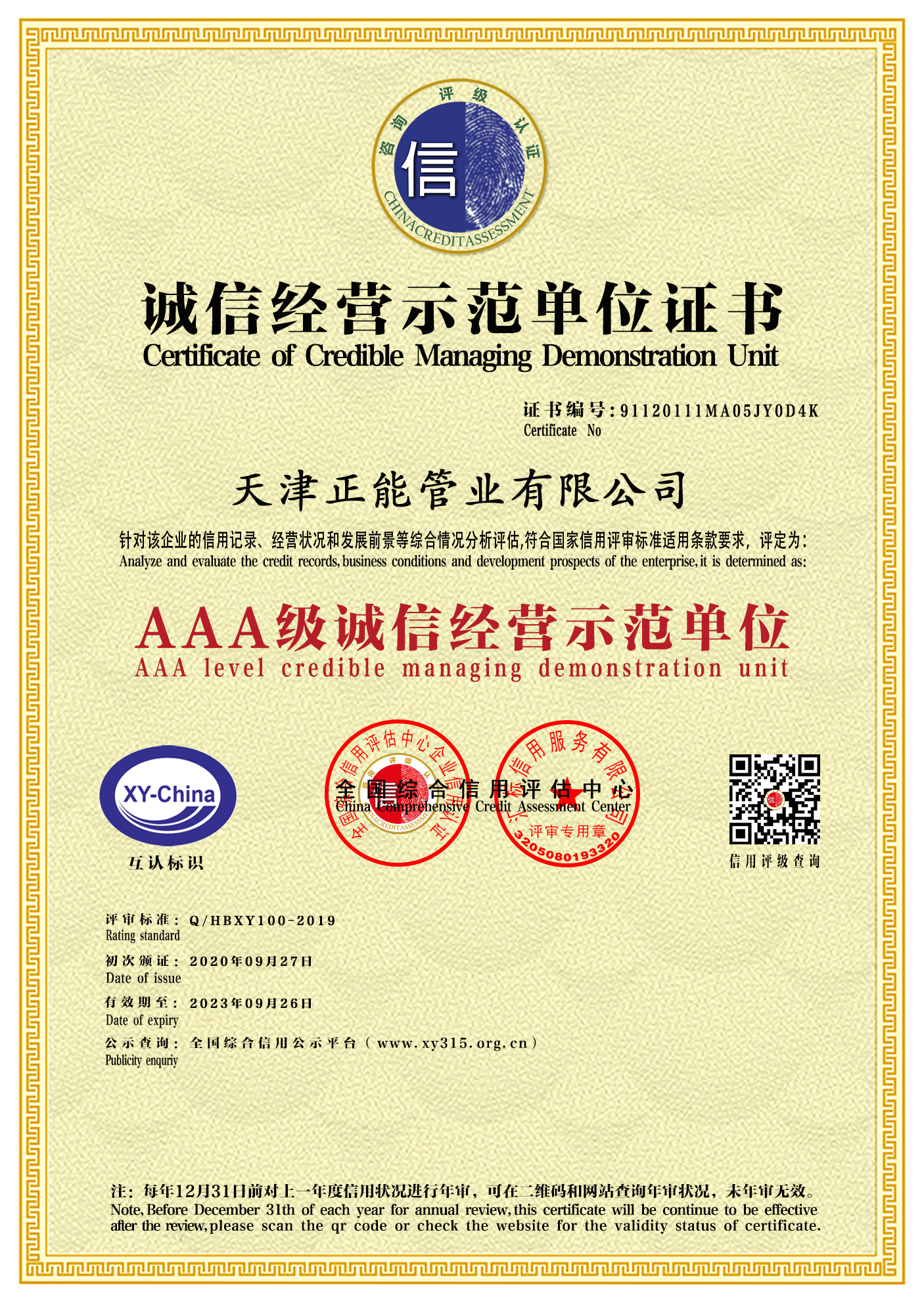
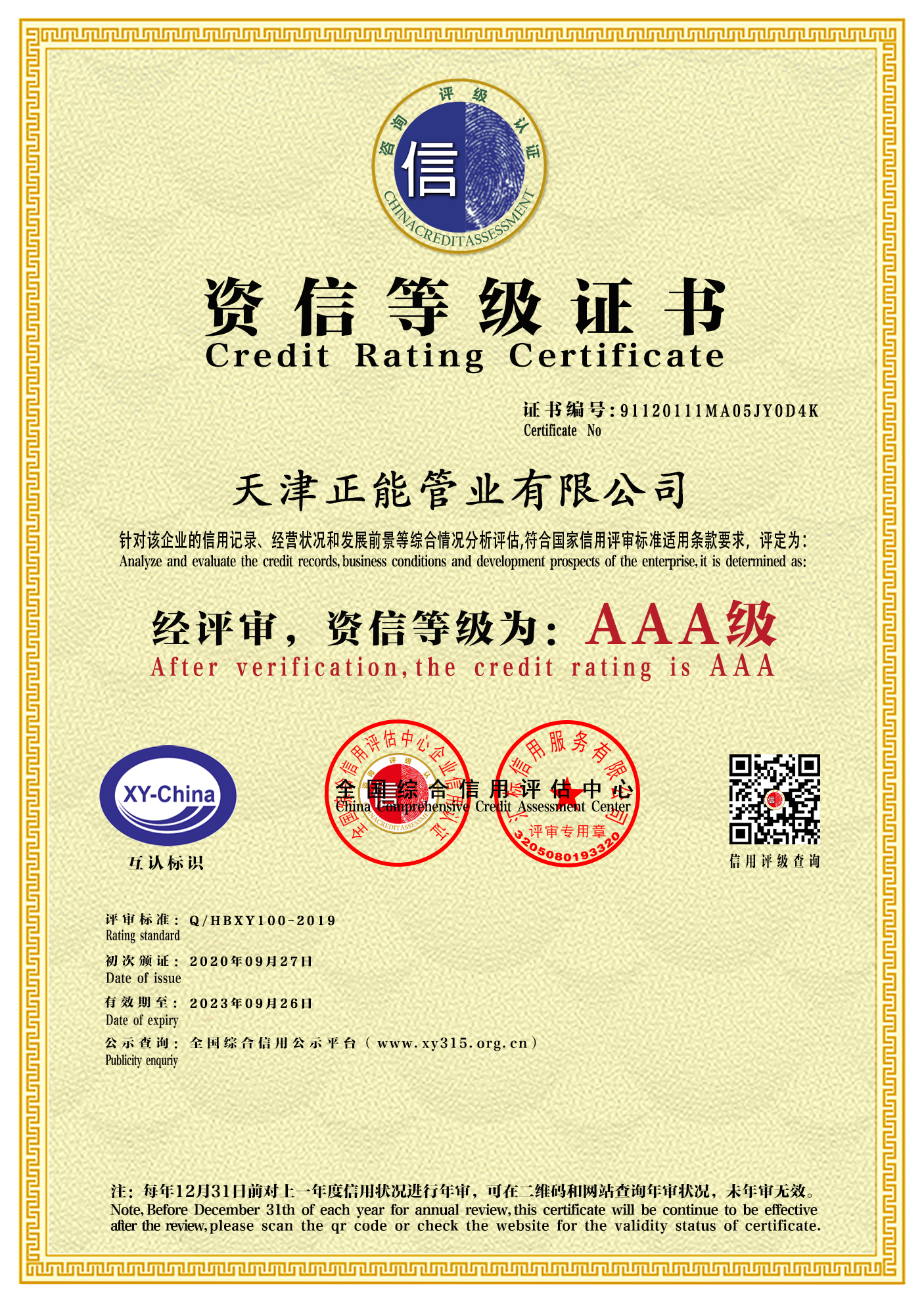
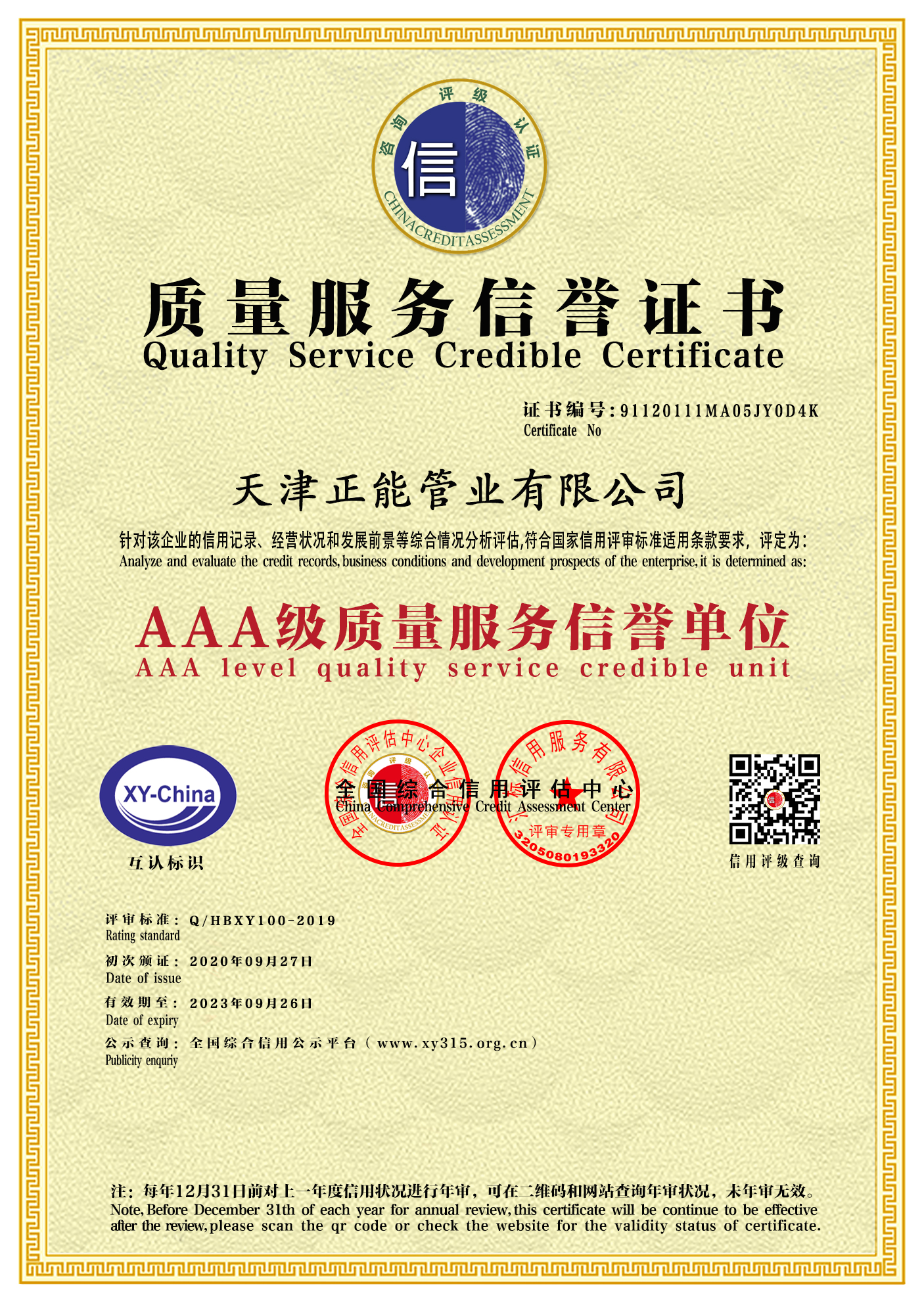
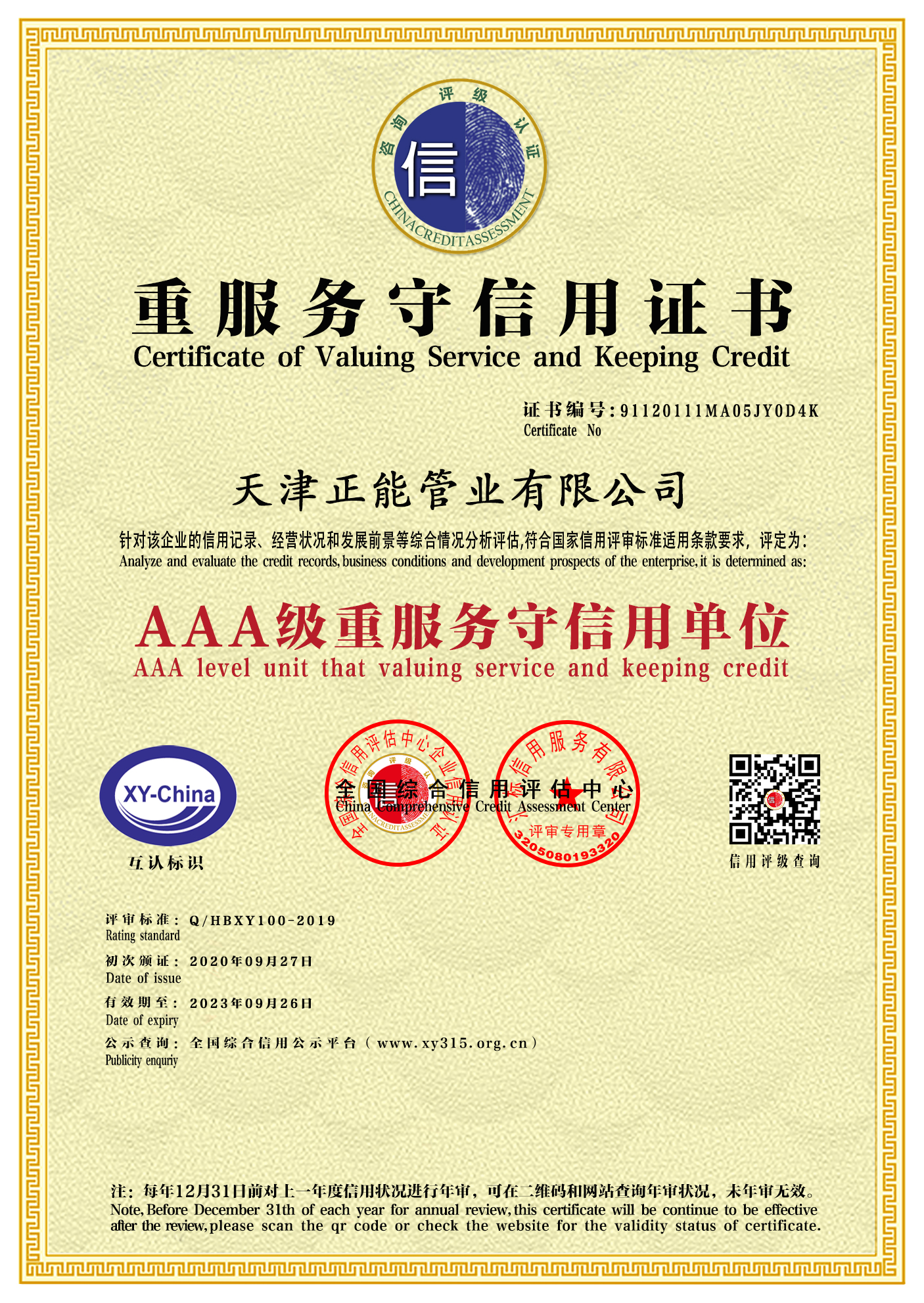
International Certificates & Quality Compliance
Why Global EPCs Choose Sanon Pipe
Full traceability + 3rd party inspection → High Standards guaranteed across every heat number.
20,000 tons standard stock, 7-15 days lead time → Fast Delivery to keep projects on schedule.
17-year standard operating procedure (SOP), zero-discrepancy L/C handling → Zero Risk execution.
Verified carbon footprint data available for environmental compliance & green building codes.
Frequently Asked Technical Questions (FAQ)
Q1: What is the main difference between ASTM A106 Grade B and ASTM A333 Grade 6?
While both are seamless carbon steel pipes with similar tensile strength, ASTM A106 Grade B is designed for high-temperature service and is NOT impact tested at sub-zero levels. In contrast, ASTM A333 Grade 6 is specifically manufactured for low-temperature service and requires mandatory Charpy V-notch impact testing at -45°C (-50°F) to ensure notch toughness.
Q2: How does heat treatment impact low-temperature steel performance?
Heat treatments such as Normalizing or Quenching and Tempering (Q&T) alter the crystal grain structure of carbon steel. By eliminating micro-segregation and creating fine ferrite-pearlite or tempered martensite grains, the metal can absorb severe impact loads at low temperatures without suffering sudden brittle cleavage.
Q3: Can carbon steel pipes for low temperature service be welded easily on-site?
Yes. Specifications like ASTM A333 Gr. 6 maintain strict Carbon Equivalent (CE) control (≤ 0.43%), ensuring excellent field weldability. Low-hydrogen welding processes (such as GTAW/SMAW with E7018-1 electrodes) and controlled interpass temperatures are recommended to preserve toughness in the Heat Affected Zone (HAZ).
Complete Carbon & Alloy Seamless Pipe Catalog
Explore our full selection of ASTM, EN, API, and GB standard seamless tubular solutions engineered for pressure vessels, boilers, low-temp lines, and structural mechanical projects.
BS EN 10219-1: Cold formed welded structural hollow sections of non-alloy and fine grain steels
ASTM A210 standard Seamless Medium carbon steel boiler and Superheat tubes
GB/8162-2008 Standard Seamless steel tubes for normal structure
Seamless steel tubes for high-pressure boilers in GB/T5310-2017 Standard
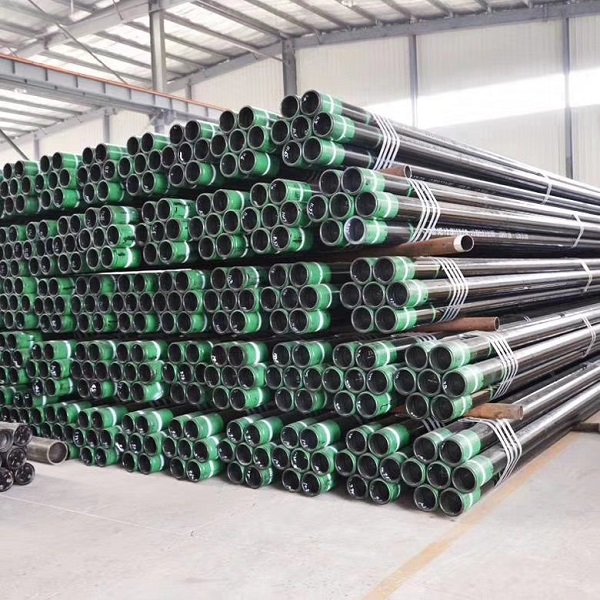 API SPECIFICATION 5CT NINTH EDITION-2012 Specification for Casing and Tubing
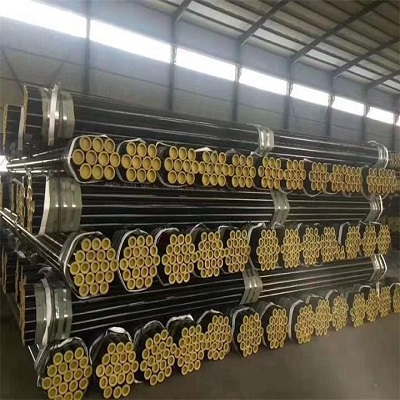 Seamless carbon steel and alloy mechanical tubes
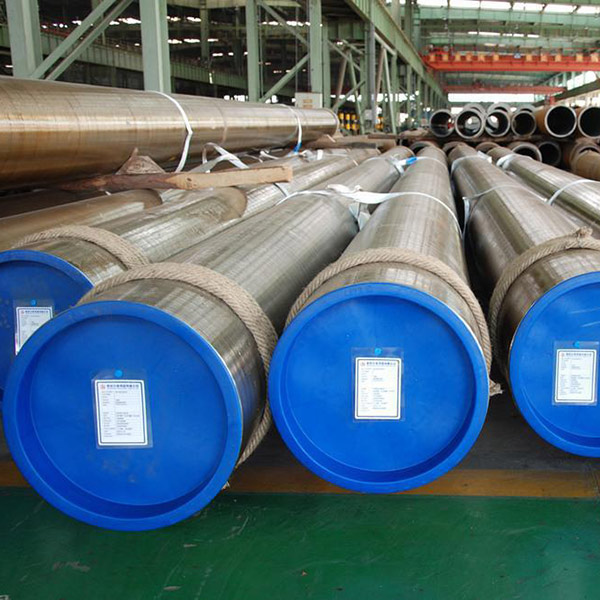 Overview of Boiler pipe
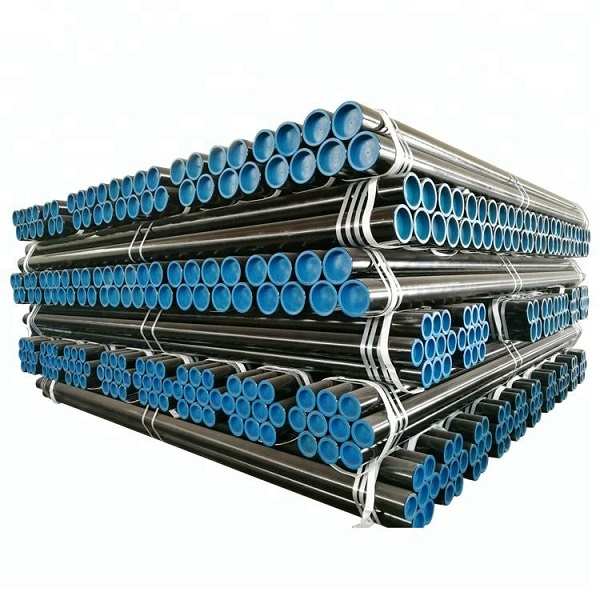 APISPEC5L-2012 Carbon Seamless Steel Line Pipe 46th edition
-

Phone
-

E-mail
-

Whatsapp
-

Wechat
-

Top