
Advanced Cold Drawn Tube Technology in Petroleum Transportation
In the demanding world of oil and gas, the integrity of transportation systems is paramount. Cold drawn tubes have emerged as the gold standard for high-pressure, high-temperature, and corrosive environments. Unlike traditional hot-rolled pipes, cold drawn seamless tubes undergo a secondary process that enhances their mechanical properties, dimensional accuracy, and surface finish, making them indispensable for modern petroleum infrastructure.
1. The Science Behind Cold Drawing for Petroleum Applications
Cold drawing is a metalworking process where a hot-rolled "mother tube" is pulled through a die and over a mandrel at room temperature. This process creates a "work hardening" effect, significantly increasing the tensile strength and yield strength of the steel. For petroleum transportation, this means the pipes can withstand higher internal pressures without increasing the wall thickness, which reduces the overall weight of the pipeline—a critical factor for offshore platforms and long-distance subsea lines.
Dimensional Precision and Surface Integrity
One of the most significant advantages of cold drawn tubes in the petroleum sector is their superior dimensional tolerance. When transporting volatile crude oil or high-pressure natural gas, even minor deviations in pipe diameter can lead to turbulence, increased friction, and accelerated wear. Cold drawing ensures a smooth interior surface (low RA value), which minimizes flow resistance and prevents the accumulation of paraffin and other sediments that can clog pipelines over time.
2. Deep Application Analysis: Beyond Simple Transport
Cold drawn tubes are not just for moving oil from point A to point B. Their applications within the petroleum industry are diverse and highly specialized:
- Petroleum Cracking Tubes (GB9948): Used in refineries where crude oil is broken down into gasoline and other products. These tubes must resist extreme heat and hydrogen embrittlement.
- High-Pressure Boiler Pipes (ASTM A335/GB T5310): Essential for the steam generation required in thermal recovery and refinery processes.
- Instrumentation Tubing: Small-diameter cold drawn tubes are used for control lines and sensors that monitor pipeline pressure and flow rates.
- Downhole Casing and Tubing: Where the environment is rich in H2S and CO2, specialized cold drawn alloy tubes provide the necessary corrosion resistance.
Tianjin Sanon Steel Pipe Co., LTD.
Sanonpipe is a premier one-stop supplier of steel pipe services. As the international department for Hebei Hong Cheng Pipe Fitting Company, we integrate manufacturing excellence with global logistics expertise. Our services cover the entire lifecycle—from raw material control and precision manufacturing to packaging, painting, and global shipping.
We maintain a massive inventory of 200,000 tons of seamless steel pipes, including carbon and alloy grades, ensuring that our clients in the petroleum sector never face downtime due to supply chain delays.
3. Global Market Trends and Future Outlook
The petroleum transportation industry is undergoing a massive transformation driven by three key factors: Sustainability, Digitalization, and Safety Standards.
The Shift to High-Alloy Materials
As traditional oil reserves deplete, companies are drilling in "sour" environments. This has led to a trend where standard carbon steel is being replaced by high-chrome alloys like P91, P92, and 12Cr1MoVG. Cold drawing these specialized alloys allows for thinner, stronger walls that can handle the corrosive nature of sour gas and high-temperature cracking processes.
Green Manufacturing and Carbon Compliance
The "Green & Low Carbon" movement is no longer optional. Leading suppliers like Sanon Pipe are now providing carbon footprint data for their cold drawn tubes. By optimizing the cold drawing process to reduce energy consumption and utilizing "green steel" inputs, we help petroleum companies meet their Scope 3 emission targets.
4. Strategic Supply Chain: Partnering for Excellence
Success in petroleum transportation requires more than just a product; it requires a robust ecosystem. Sanon Pipe partners with the world's leading steel mills to ensure the quality of our cold drawn tubes:
- Hengyang Valin Steel Tube (HYST): A global leader in seamless pipe technology, providing high-strength materials for the toughest environments.
- CITIC Pacific Special Steel: Our source for high-purity alloy steels that ensure the longevity of cracking tubes.
- Yangzhou Chengde & Baogang Group: Strategic partners for large-diameter seamless solutions.
Our Core Values & Vision
Company Vision
To become a globally renowned supplier of pipeline services and project solutions, moving beyond a buyer-seller relationship to a deep strategic partnership.
Company Mission
Building an agile, reliable, and professional supply chain to ensure material safety and create outstanding value for global industrial projects.
Company Values
Customer trust, Professionalism as the foundation, Collaborative progress, and long-term responsibility.
Serving the Global Energy Sector
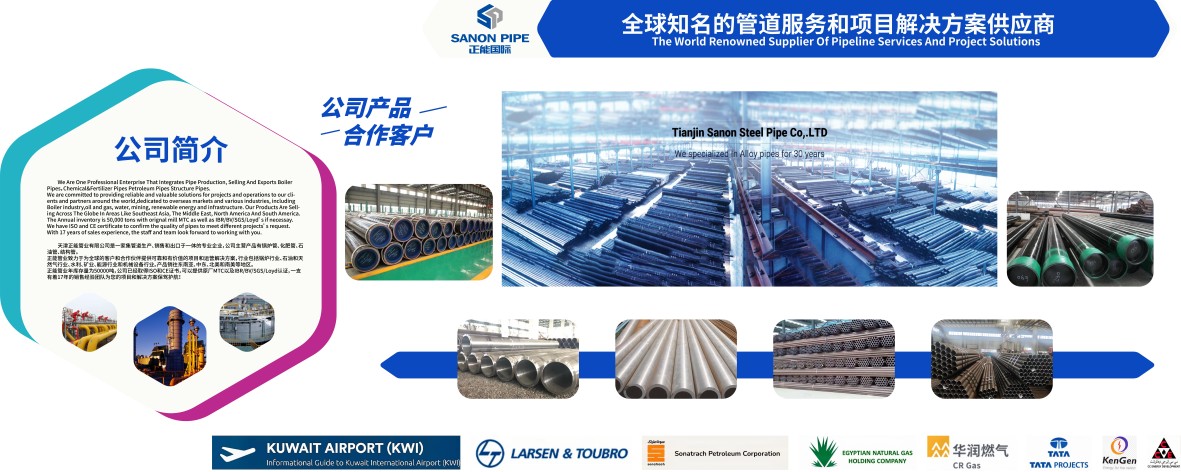
Our steel pipes are sold to the most demanding markets worldwide, including India, the Middle East, the United States, the UK, Italy, Russia, Brazil, Japan, and Australia.
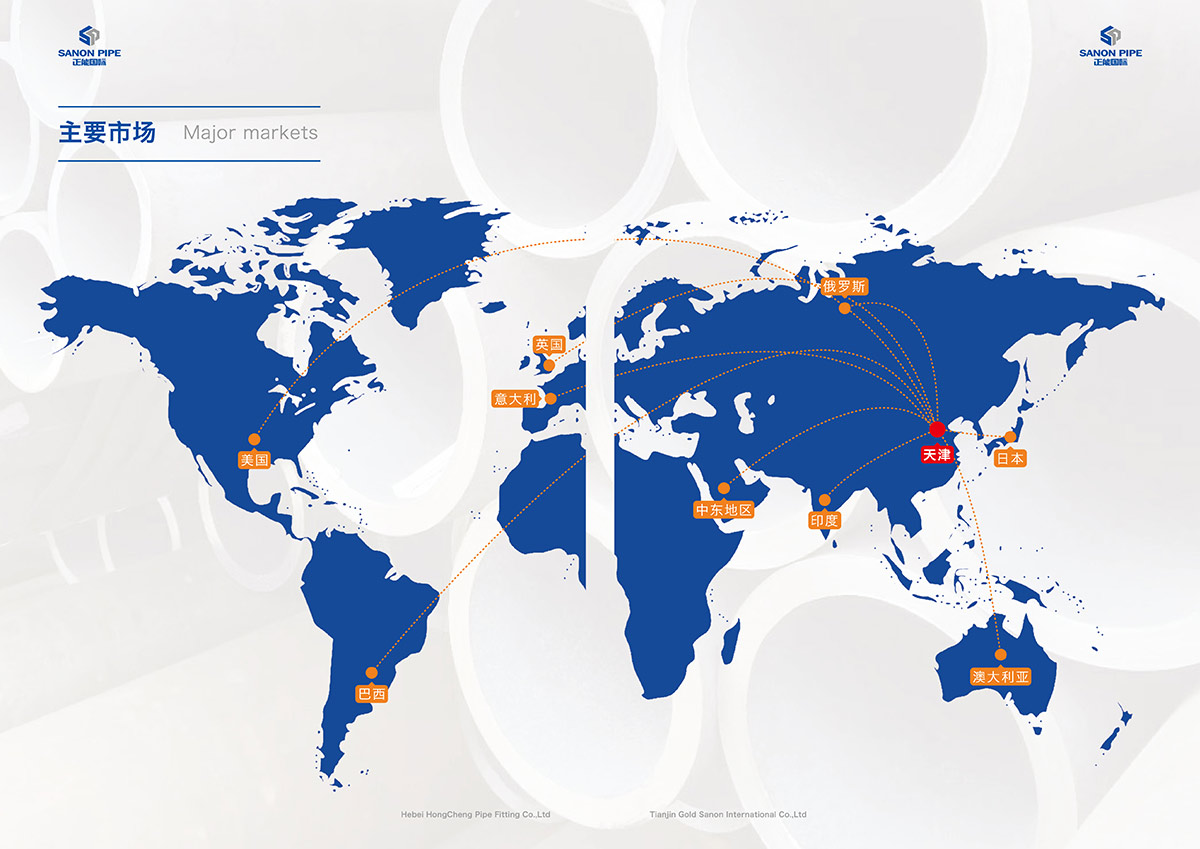
Trusted by Industry Giants


Uncompromising Quality Assurance
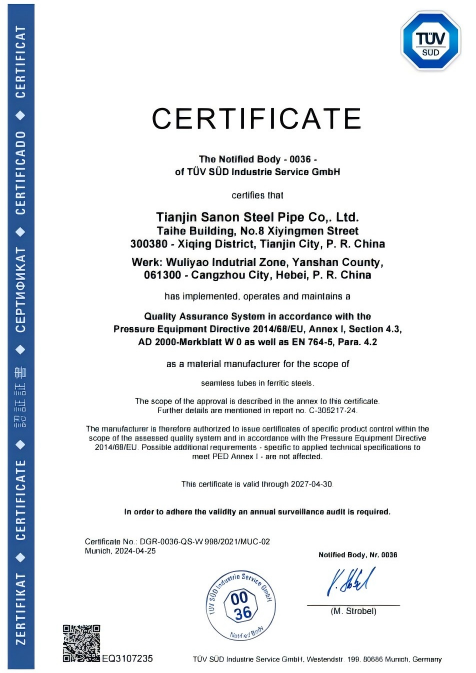
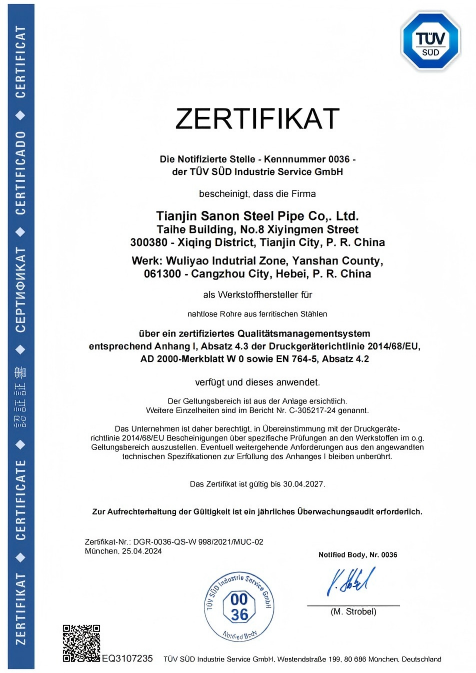
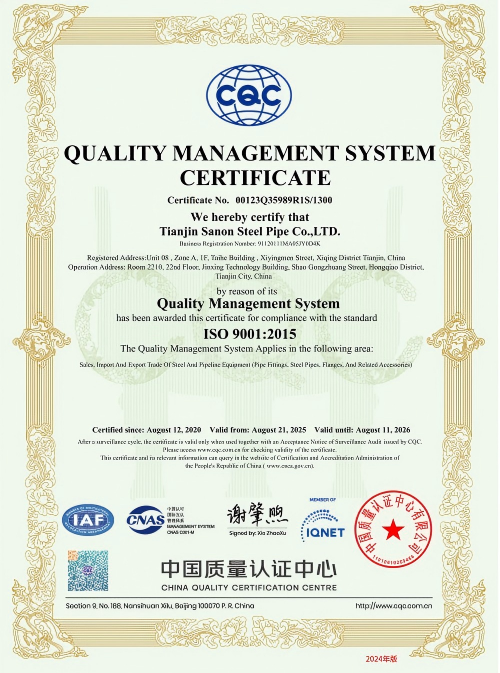
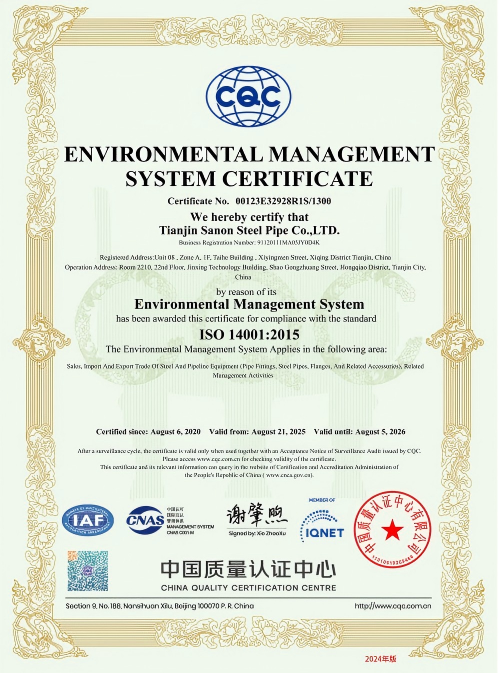
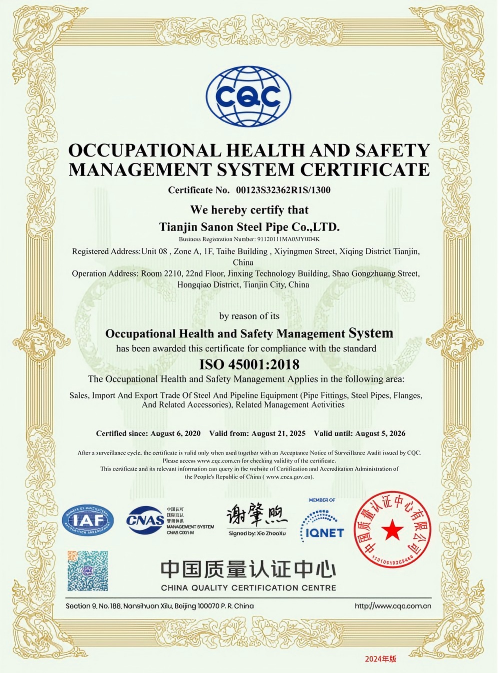
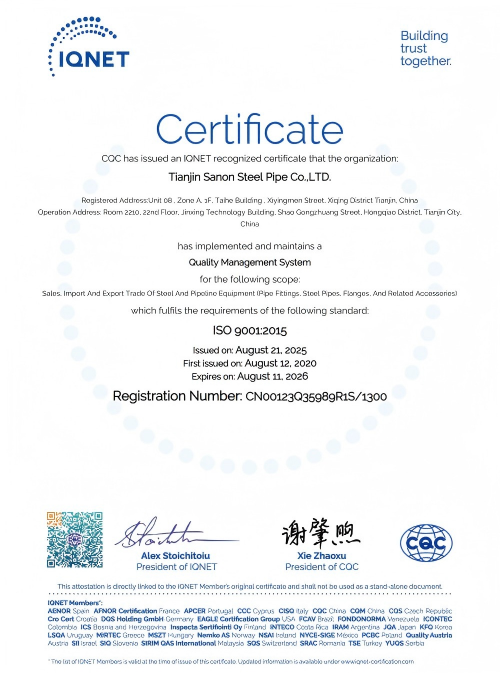
For petroleum transportation, there is zero room for error. Our cold drawn tubes undergo rigorous testing, including Ultrasonic Testing (UT), Eddy Current Testing (ET), and Hydrostatic testing. We provide full traceability and support 3rd party inspections (SGS, BV, TUV) to ensure compliance with international standards.
Comprehensive Product Portfolio
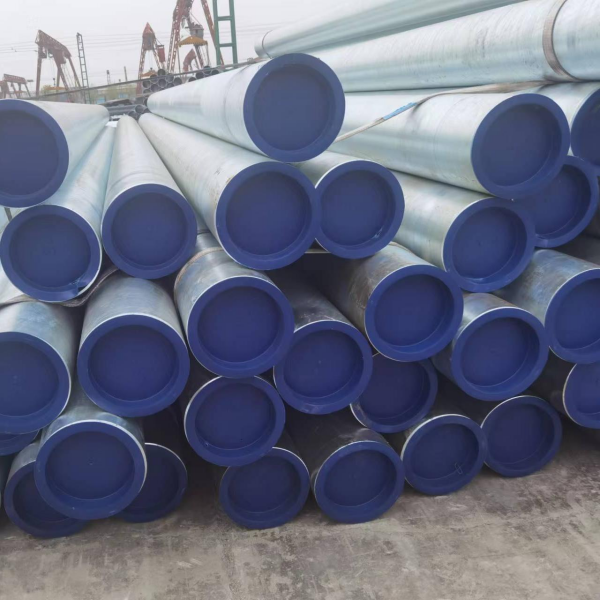 A53/A53M-2012 Standard Seamless for Hot-Dip Galvanized Pipe
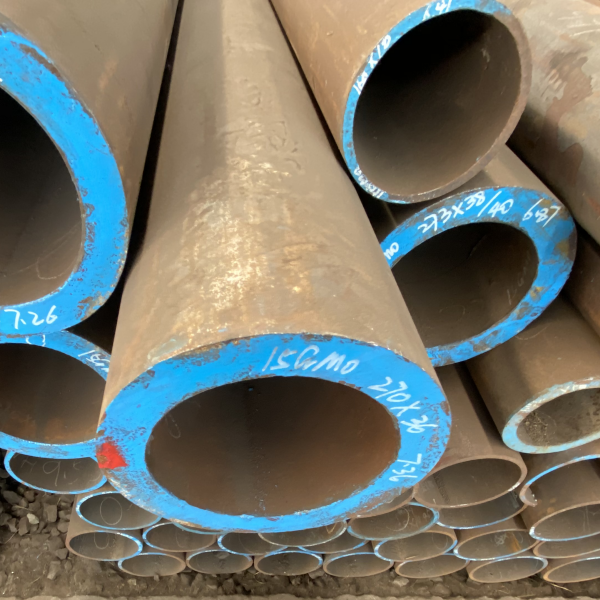 Seamless Steel Tubes For Petroleum Cracking, GB9948-2006
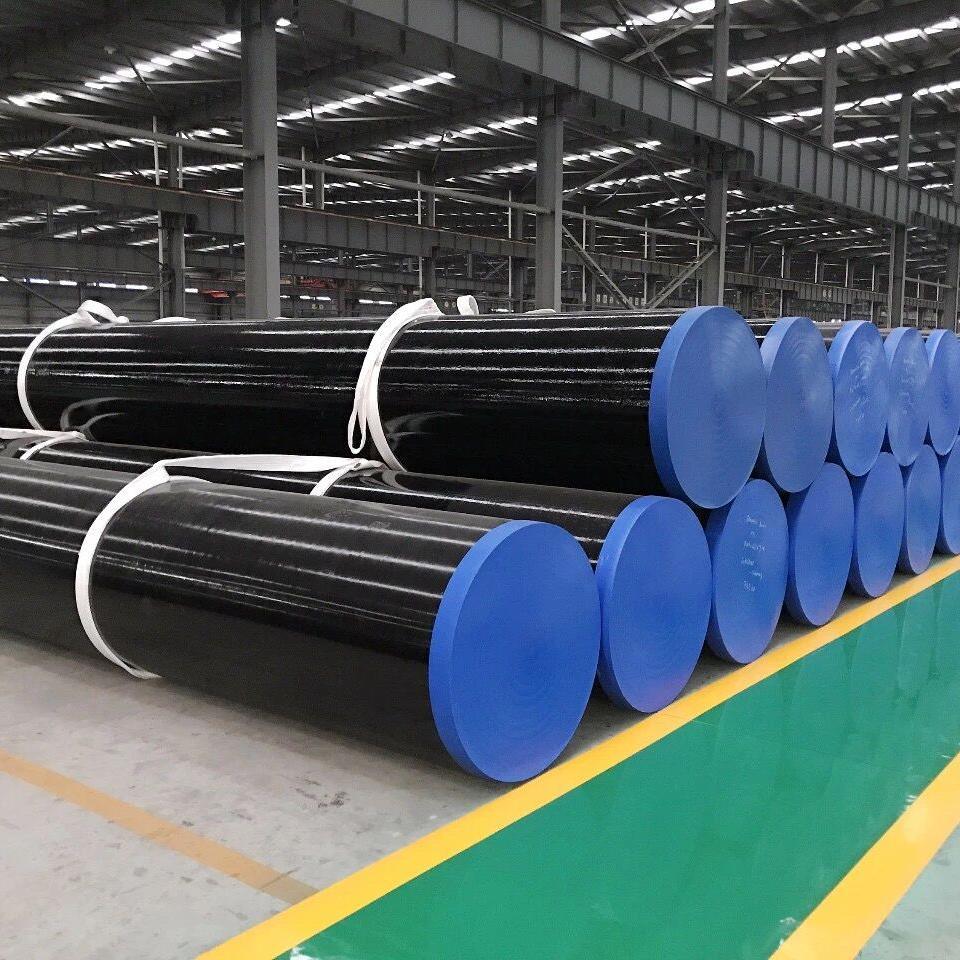 20# High Precision Petroleum Transportation Steel Pipe
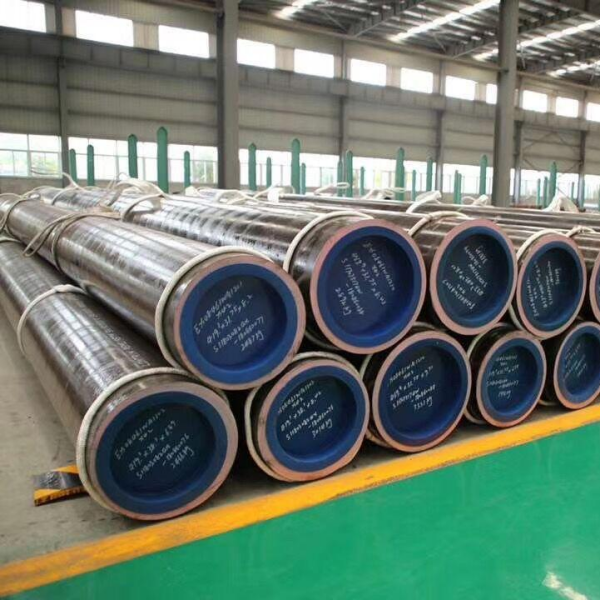 Seamless Alloy Steel Pipe ASTM A335 High Pressure Boiler Pipe
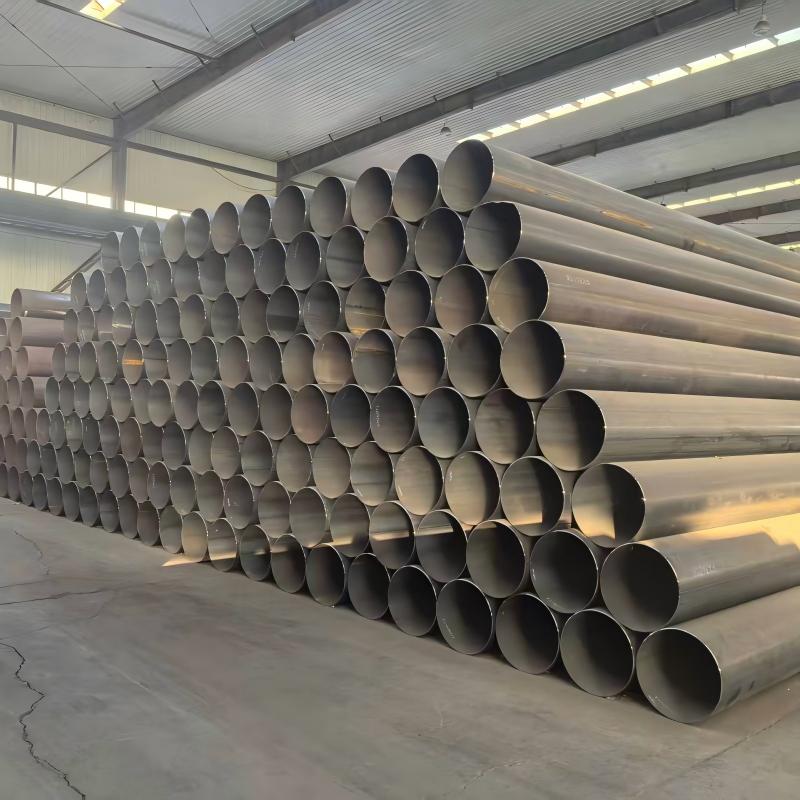 BS EN 10219-1: Cold Formed Welded Structural Hollow Sections
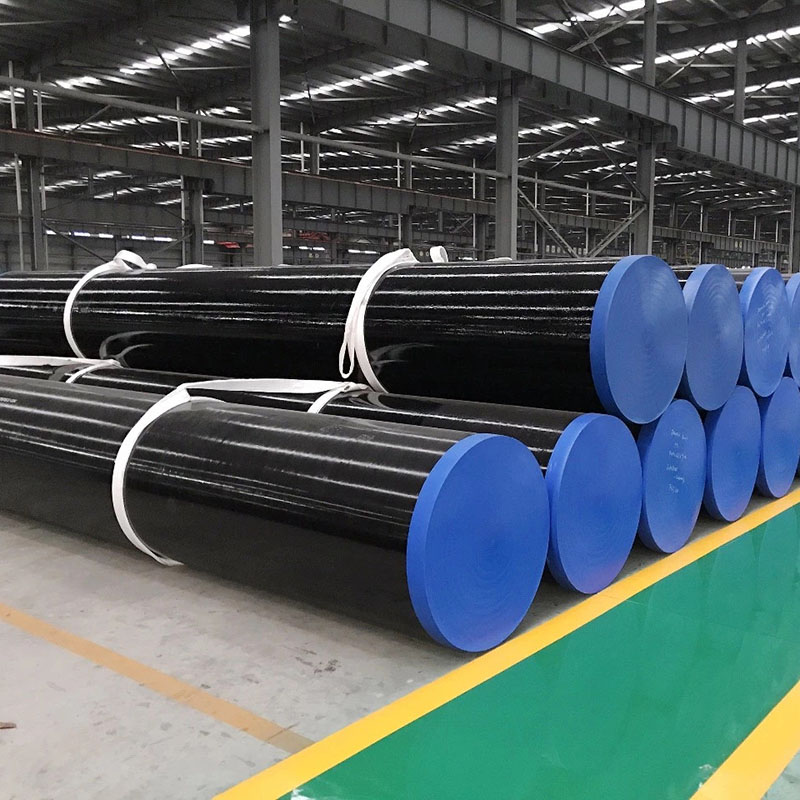 Comprehensive Overview of Petroleum Pipes & Structure Pipes
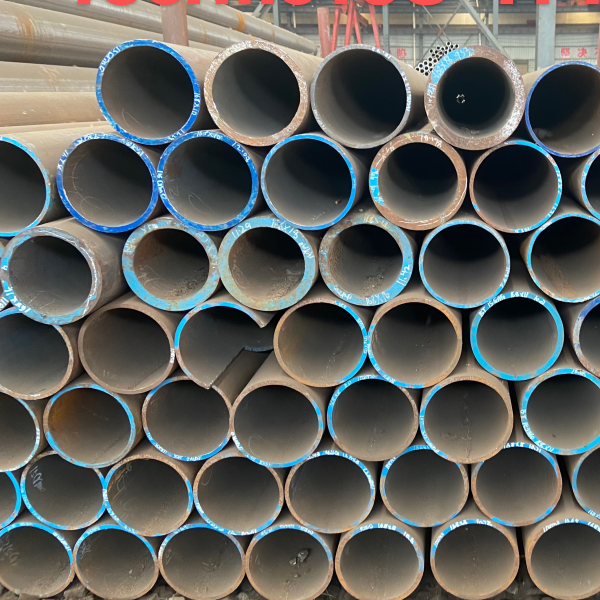 Seamless Steel Tubes for High-Pressure Boilers GB/T5310-2017
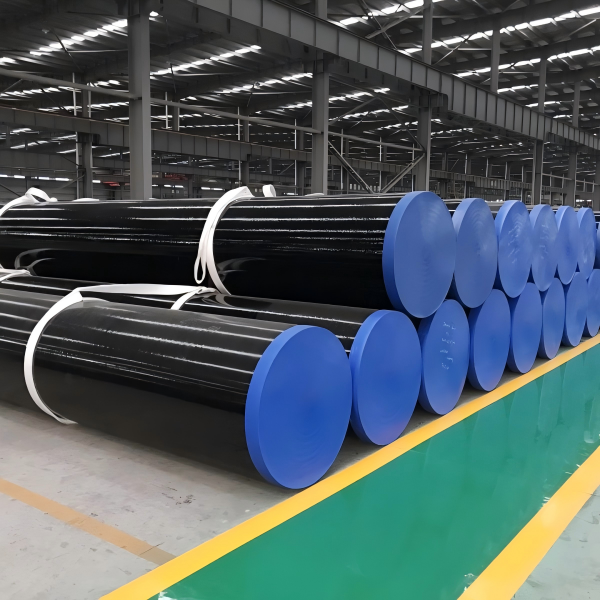 ASME SA-106/SA-106M-2019 Carbon Steel Pipe for Oil Service
-

Phone
-

E-mail
-

Whatsapp
-

Wechat
-

Top