
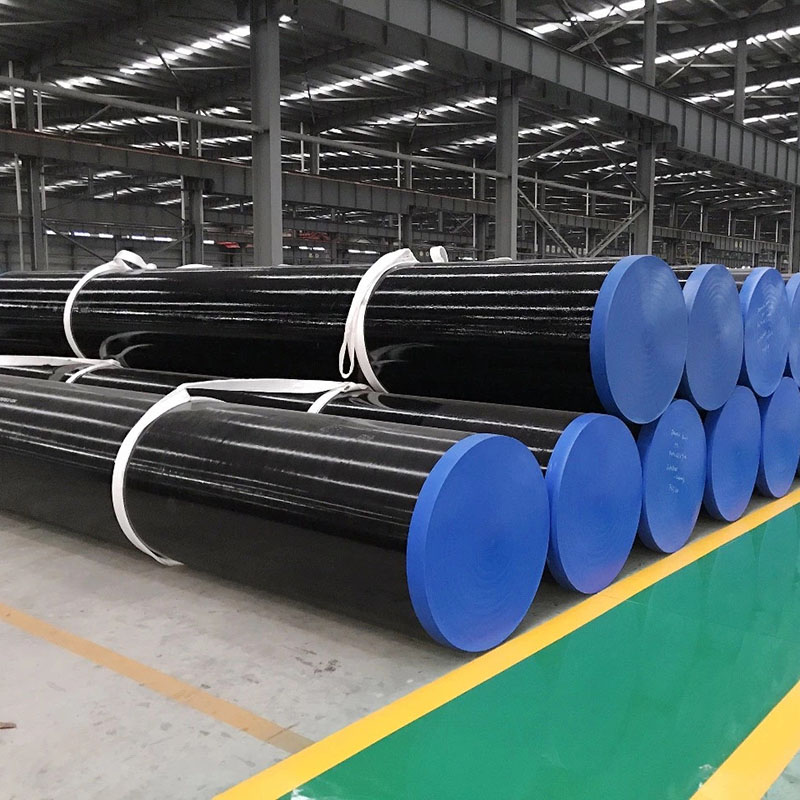
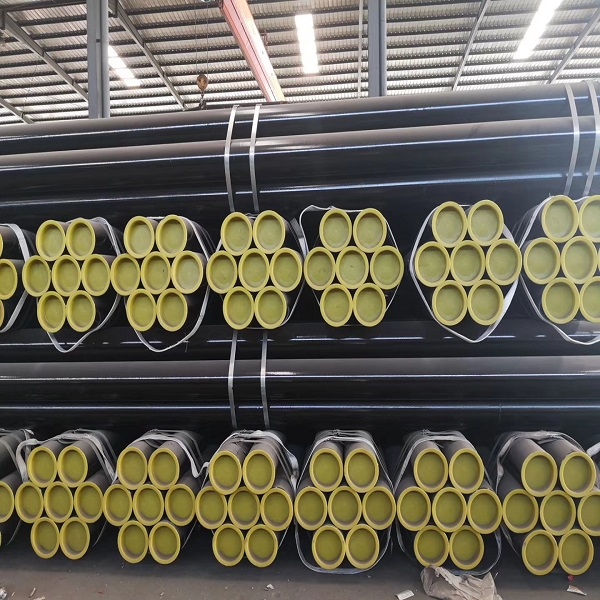
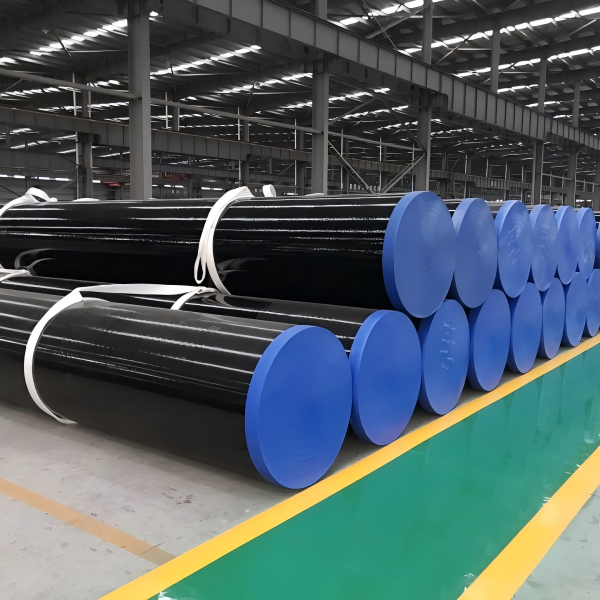
The Critical Role of Line Pipes in Low-Temperature Service
In the modern industrial landscape, the demand for energy and resources has pushed exploration and transportation into some of the harshest environments on Earth. Line Pipe for Low Temperature Service is not merely a commodity; it is a vital engineering marvel designed to withstand the brutal realities of sub-zero climates, cryogenic processing, and polar logistics. Whether it is transporting liquefied natural gas (LNG) at -162°C or maintaining structural integrity in the Arctic Tundra where temperatures plummet below -45°C, these pipes are the lifelines of global energy security.
Tianjin Sanon Steel Pipe Co., Ltd. recognizes that low-temperature service requires more than just standard carbon steel. It requires advanced metallurgy, precise heat treatment, and rigorous testing protocols like the Charpy V-Notch impact test to ensure the material does not undergo a "ductile-to-brittle transition." Our commitment to providing high-grade solutions like ASTM A333 and specialized API 5L grades ensures that your infrastructure remains safe, resilient, and efficient, regardless of the thermometer's reading.
Cryogenic Resilience
Engineered to prevent brittle fractures at temperatures as low as -196°C, ensuring safety in LNG and nitrogen transport.
Arctic Ready
Specially formulated alloy compositions that maintain high toughness and weldability in extreme permafrost conditions.
Advanced Traceability
Every length of pipe is fully traceable with MTCs (Mill Test Certificates) providing chemical and mechanical verification.
Industrial Status & Global Development Trends
The Surge in LNG Infrastructure
The global shift toward cleaner energy has positioned Natural Gas as a key transitional fuel. This has led to a massive expansion in LNG liquefaction and regasification terminals. These facilities require vast networks of low-temperature line pipes to handle the cryogenic state of the gas. As Europe seeks to diversify its energy sources and Asia continues its industrial growth, the market for specialized cryogenic piping is projected to grow at a CAGR of over 6% through 2030.
Hydrogen: The New Frontier
One of the most exciting trends in the piping industry is the development of infrastructure for Hydrogen. Liquid hydrogen transportation requires even lower temperatures than LNG. Designers are now looking at high-nickel alloy line pipes and specialized stainless steel seamless tubes to prevent hydrogen embrittlement at extreme low temperatures. Sanon Pipe is at the forefront of this research, supplying materials that meet the evolving standards of the green hydrogen economy.
Metallurgical Innovations
Modern manufacturing now utilizes "Thermo-Mechanical Control Processing" (TMCP). This process allows for the production of high-strength line pipes with lower carbon equivalents, improving weldability without sacrificing toughness at low temperatures. The integration of trace elements like Nickel, Manganese, and Chromium is meticulously balanced to optimize the fine-grain structure of the steel.
Tianjin Sanon Steel Pipe Co., LTD.
Is The Branch Company And International Department For Hebei Hong Cheng Pipe Fitting Company
Sanon Pipe - A One-Stop Supplier
Sanonpipe is a one-stop supplier of steel pipe services. Our services cover the entire process from raw material control, packaging, painting, and shipping, saving clients time and costs. We have established mature cooperative factories and warehouses, with approximately 200,000 tons of seamless steel pipes, including carbon steel and alloy steel pipes. We also have 10,000 tons of welded pipes, square and rectangular pipes, and stainless steel pipes in stock.
Our Company’s Main Products Include: Boiler Pipes Account For 40%; Line Pipes Account For 30%; Petrochemical Pipes Account For 10%; Heat Exchanger Tubes Account For 10% ; Mechanical Pipes Account For 10%. Wide Range Of Products: Our Main Product Lineup Includes SA106B, 20g, Q345, 12Cr1MoVG, 15CrMoG, Cr5Mo, 1Cr9Mo, 10CrMo910, And A335P5/P9/P11/P12/P22/P91/P92.
Deep Application Scenarios for Low-Temp Pipes
1. Offshore Arctic Drilling & Subsea Pipelines
In the Arctic Circle, pipelines are subjected to external ice loads and internal high-pressure flow. The steel must maintain its ductility to prevent catastrophic failure under seismic activity or permafrost shifting. Our API 5L X-grade pipes with low-temp impact testing are the preferred choice for these high-stakes environments.
2. Ethylene and LPG Processing Plants
Ethylene plants operate at temperatures where standard carbon steel becomes as brittle as glass. Using 3.5% Nickel steel (like ASTM A333 Grade 3) allows these plants to operate safely at -101°C. Sanon Pipe provides the full range of schedules and sizes to fit complex refinery layouts.
3. Cryogenic Storage Regasification Units (FSRU)
Floating storage units are exposed to both the corrosive marine environment and the extreme cold of the LNG they carry. This dual-threat scenario requires line pipes with superior corrosion resistance and cryogenic stability. Our seamless alloy steel and stainless steel options are designed specifically for these maritime energy hubs.
Enterprise Culture & Vision
Company Vision
To Become A Globally Renowned Supplier Of Pipeline Services And Project Solutions. We offer not merely steel pipe products, but comprehensive solutions centered around steel pipes.
Company Mission
By building an agile, reliable and professional steel pipe supply chain system, we ensure material safety and create outstanding value for global industrial projects.
Company Values
Customer trust, Professionalism as the foundation, Collaborative progress, and responsibility for the long term.
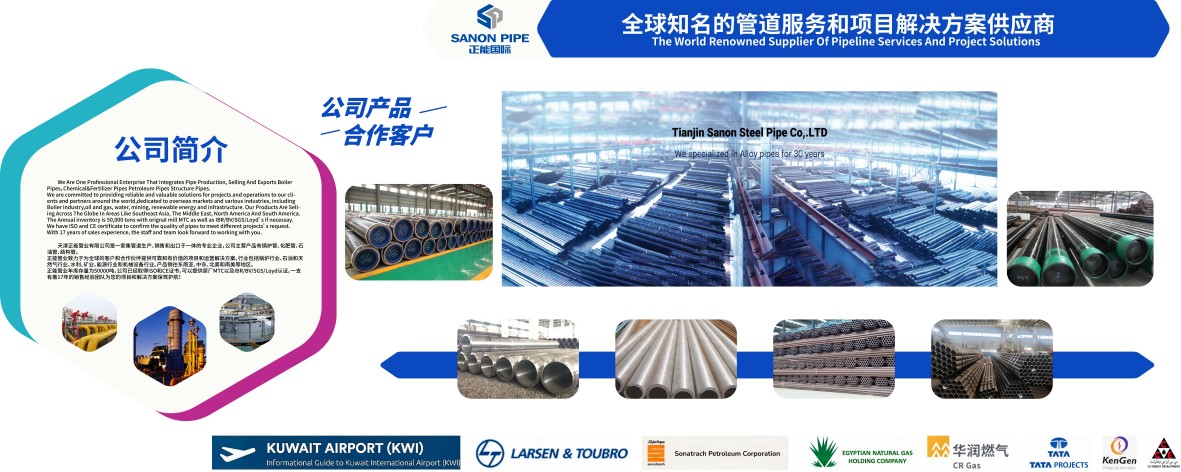
Global Reach & Certified Quality
Our steel pipes are sold all over the world, and we have already cooperated with customers in many countries. The main markets are India, the Middle East, the United States, the United Kingdom, Italy, Russia, Brazil, Japan and Australia. The transport methods of our steel pipes are ocean transport, air transport and railway transport.
Major Markets & Partners


Industry Certifications
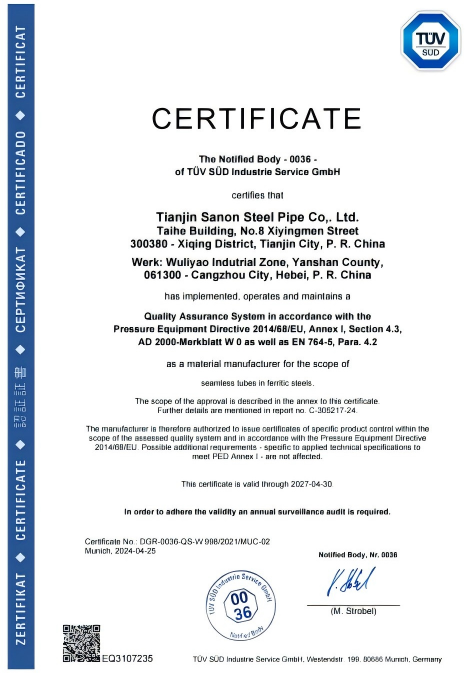
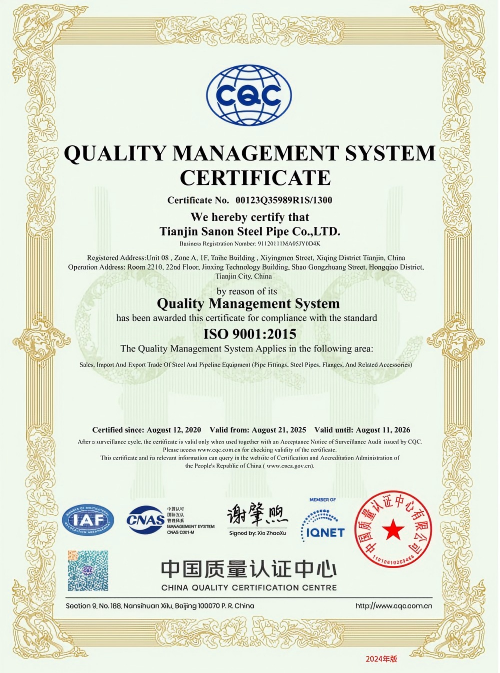
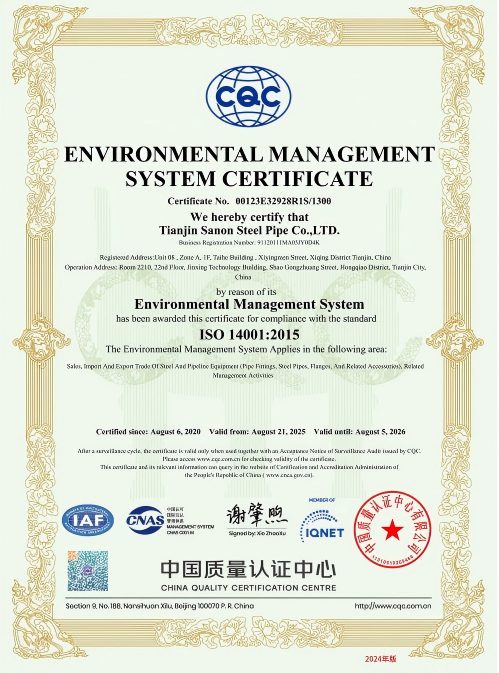
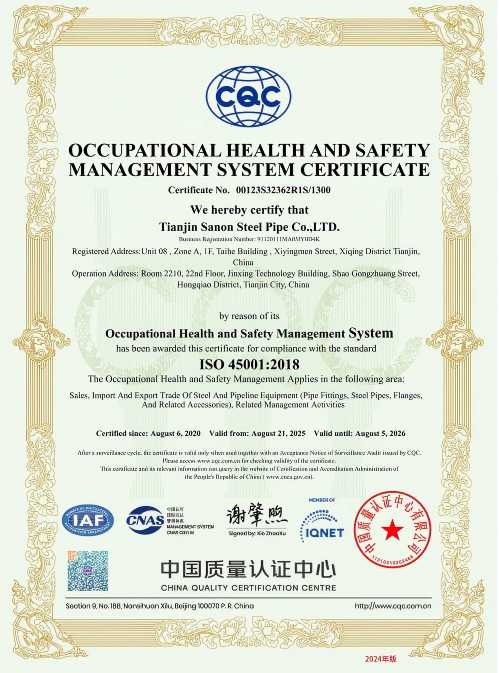
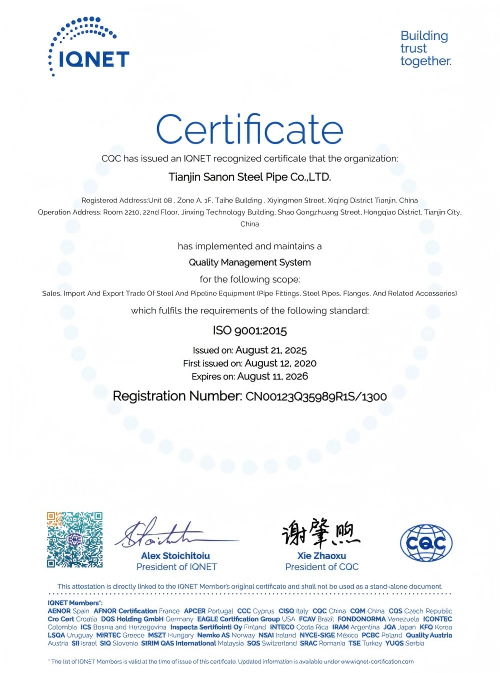
Our Strategic Suppliers
We partner with the world's leading mills to ensure the highest quality for low-temperature service:
- HYST (Hengyang Valin): A leader in specialized seamless tubes since 1958.
- CITIC Special Steel: A global powerhouse in high-end industrial steel industrial chains.
- Yangzhou Chengde: Experts in large-diameter carbon and alloy seamless pipes.
- Baotou Steel: The largest steel enterprise in Inner Mongolia with rare earth research capabilities.
Why Choose Sanon Pipe for Low Temperature Projects?
Full traceability + 3rd party inspection (SGS, BV, TUV) for every low-temperature line pipe.
20,000 tons of ready stock ensures a 7-15 day lead time for urgent cryogenic projects.
17-year Standard Operating Procedure (SOP) with zero-discrepancy Letter of Credit (L/C) history.
Carbon footprint data available to help your project comply with modern ESG requirements.
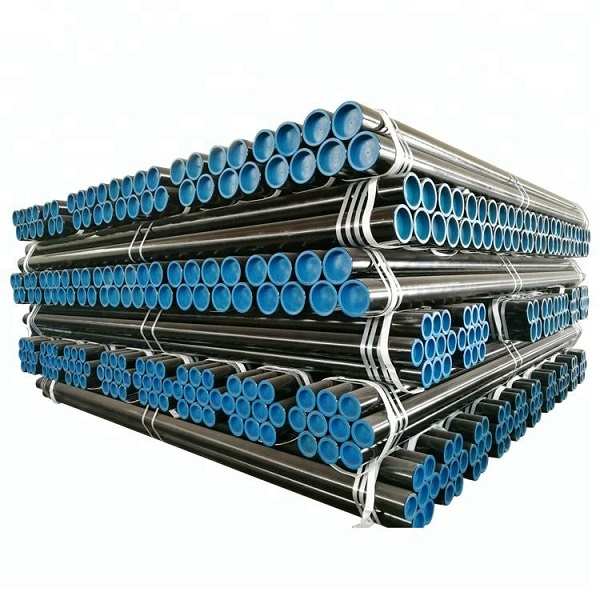
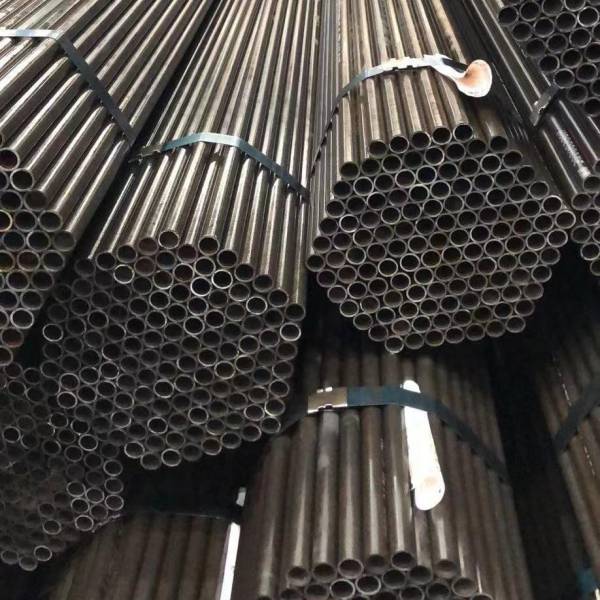
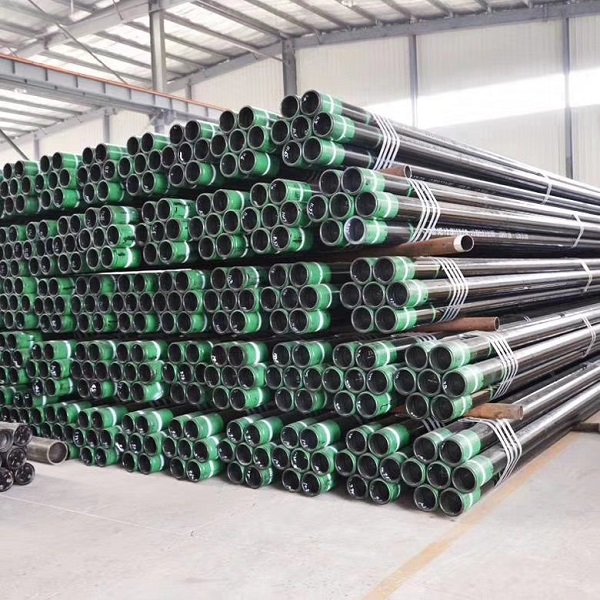
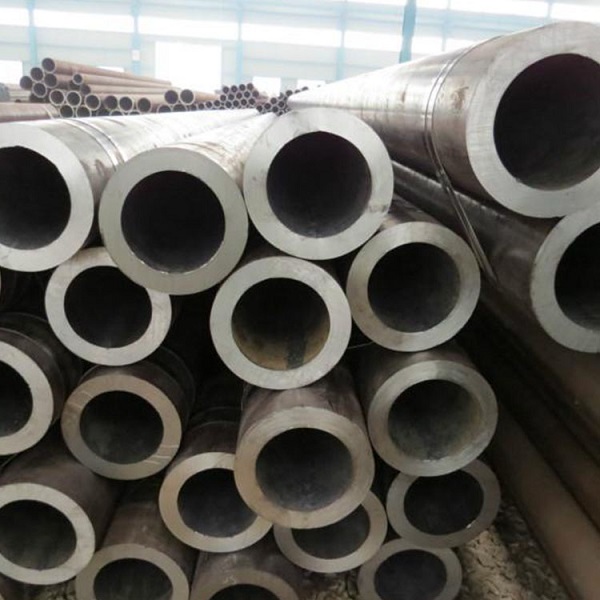
Full Product Inventory for Low Temperature Service
-

Phone
-

E-mail
-

Whatsapp
-

Wechat
-

Top