
Featured Welded Line Pipe Series
Engineered for extreme pressure containment, structural integrity, and corrosive gas environments worldwide.
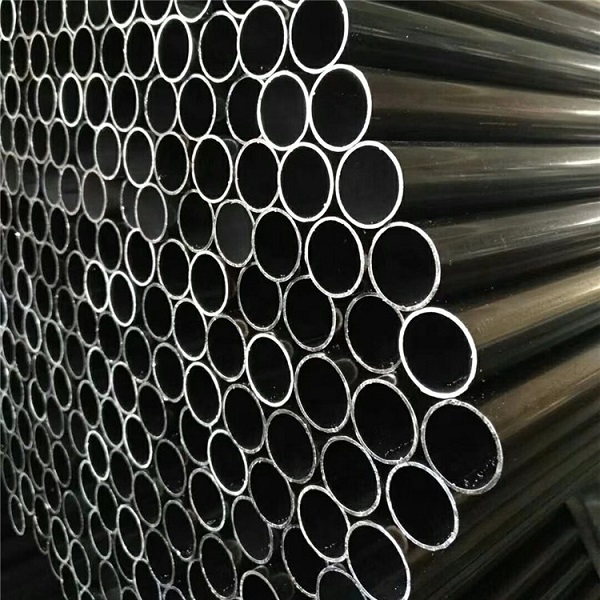
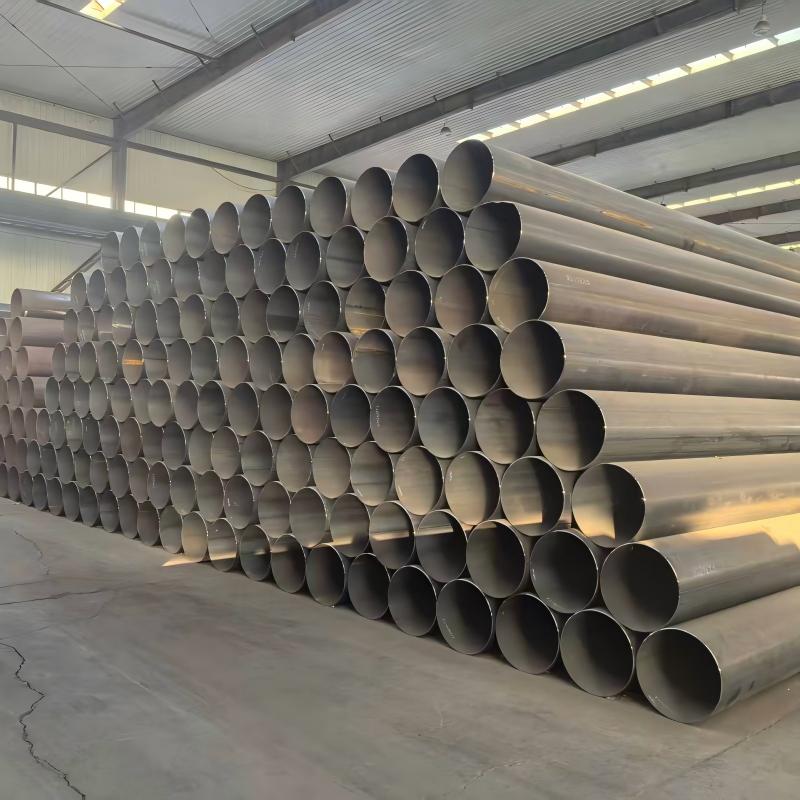
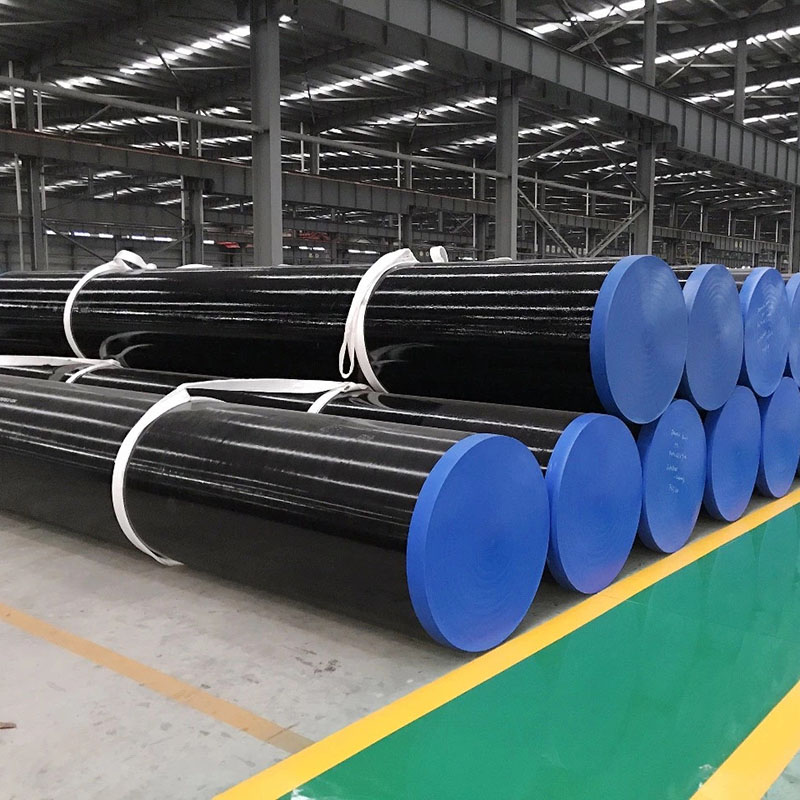
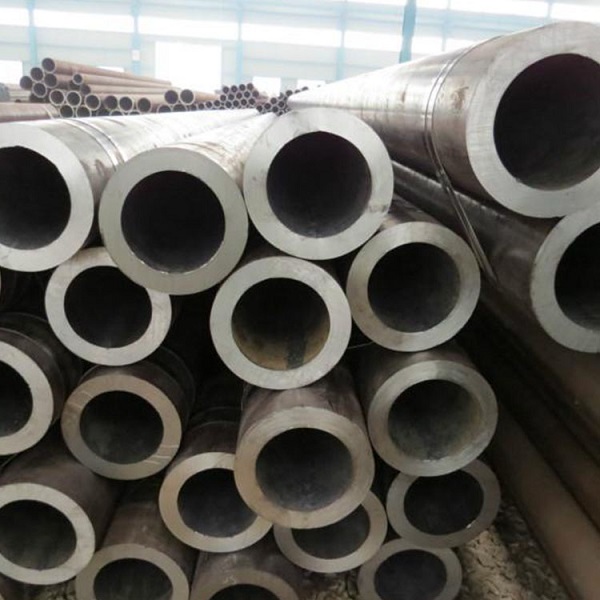
1. Industrial Status of Welded Pipe for Gas Transmission
The global energy landscape is undergoing a monumental paradigm shift. As natural gas remains the essential bridge fuel in the global transition toward decarbonization and clean energy, the requirement for robust, reliable, and high-capacity natural gas transportation systems has never been more urgent. At the backbone of this critical infrastructure lies the welded pipe for gas transmission. Modern cross-country pipelines, offshore gas gatherers, and municipal gas networks rely on state-of-the-art welded steel pipe technology to transport billions of cubic meters of natural gas across vast geographic terrains under high operating pressures.
Historically, seamless steel pipes dominated high-pressure fluid transportation. However, revolutionary advancements in steel metallurgy, precision thermo-mechanical controlled processing (TMCP), and non-destructive examination (NDE) technologies over the past three decades have positioned welded pipes—specifically Longitudinal Submerged Arc Welded (LSAW), Spiral Submerged Arc Welded (SSAW), and High-Frequency Electric Resistance Welded (ERW) pipes—as the preferred global choice for long-distance, large-diameter gas transmission systems.
Key Industrial Highlights & Market Trends
• Demand Surge for Large Diameters: Expansion of major transcontinental gas grids requires large-diameter line pipes (up to 56 inches / 1422 mm OD) capable of handling internal pressures exceeding 12 to 15 MPa.
• Higher Steel Grades (API 5L X70 to X80): Energy developers increasingly select high-strength micro-alloyed steel grades to reduce wall thickness, optimize material consumption, and lower transport and installation costs.
• Hydrogen-Blended Gas Infrastructure: Modern welded pipelines are being engineered and tested to ensure compatibility with Hydrogen-Natural Gas blends (H2NG), accelerating future green energy delivery.
2. Manufacturing Precision & Technical Specifications
Gas transmission pipelines operate under stringent environmental and mechanical demands. Internal gas pressure, soil movements, thermal expansion, dynamic seismic loading, and corrosive environments require welded pipes to possess exceptional yield strength, impact toughness, fracture arrest capability, and field weldability. Manufacturing a welded pipe for gas transmission involves precise metallurgy and strict adherence to global standards such as API 5L (PSL1 and PSL2), ISO 3183, and GB/T 9711.
Primary Welded Pipe Manufacturing Processes
Depending on the pipeline diameter, wall thickness, and operating environment, three primary manufacturing processes are utilized for gas transmission:
| Process Type | Outer Diameter (OD) Range | Wall Thickness (WT) Range | Primary Industry Application |
|---|---|---|---|
| LSAW (UOE / JCOE) | 406 mm – 1422 mm (16" – 56") | 6.4 mm – 50.0 mm | High-pressure main cross-country gas trunklines, offshore pipelines, sour service lines. |
| SSAW / HSAW | 508 mm – 2540 mm (20" – 100") | 6.0 mm – 25.4 mm | Long-distance overland natural gas transmission, water/gas utility lines, low-to-medium pressure mains. |
| HFW / ERW | 114 mm – 610 mm (4" – 24") | 3.2 mm – 22.0 mm | Regional gas gathering, urban distribution rings, gas metering stations, plant piping. |
Metallurgical Quality & Advanced Anti-Corrosion Systems
To guarantee zero leakages throughout a 50-year service life, modern gas welded pipes undergo rigorous quality management:
• Thermo-Mechanical Controlled Processing (TMCP): Fine-grained ferrite-bainite microstructures are developed during steel plate rolling, enabling high strength (e.g., API 5L X70/X80) combined with superior low-temperature impact toughness (-20°C to -40°C DWTT arrest toughness).
• 100% Non-Destructive Testing (NDT): Every full-length seam undergoes continuous automated Ultrasonic Testing (UT), X-ray Radiographic Inspection, and Magnetic Particle Testing (MPI) to verify 100% seam integrity.
• External & Internal Coatings: Pipes are protected with 3-Layer Polyethylene (3LPE) or 3-Layer Polypropylene (3LPP) external anti-corrosion coatings, complemented by liquid epoxy internal flow efficiency linings to minimize internal friction losses during gas flow.
3. Deep-Dive Application Scenarios for Gas Transmission Pipes
Welded steel pipes engineered for gas transmission serve diverse operational environments across the global energy infrastructure network. Below is a detailed breakdown of critical application scenarios:
Scenario A: Transcontinental High-Pressure Gas Trunklines
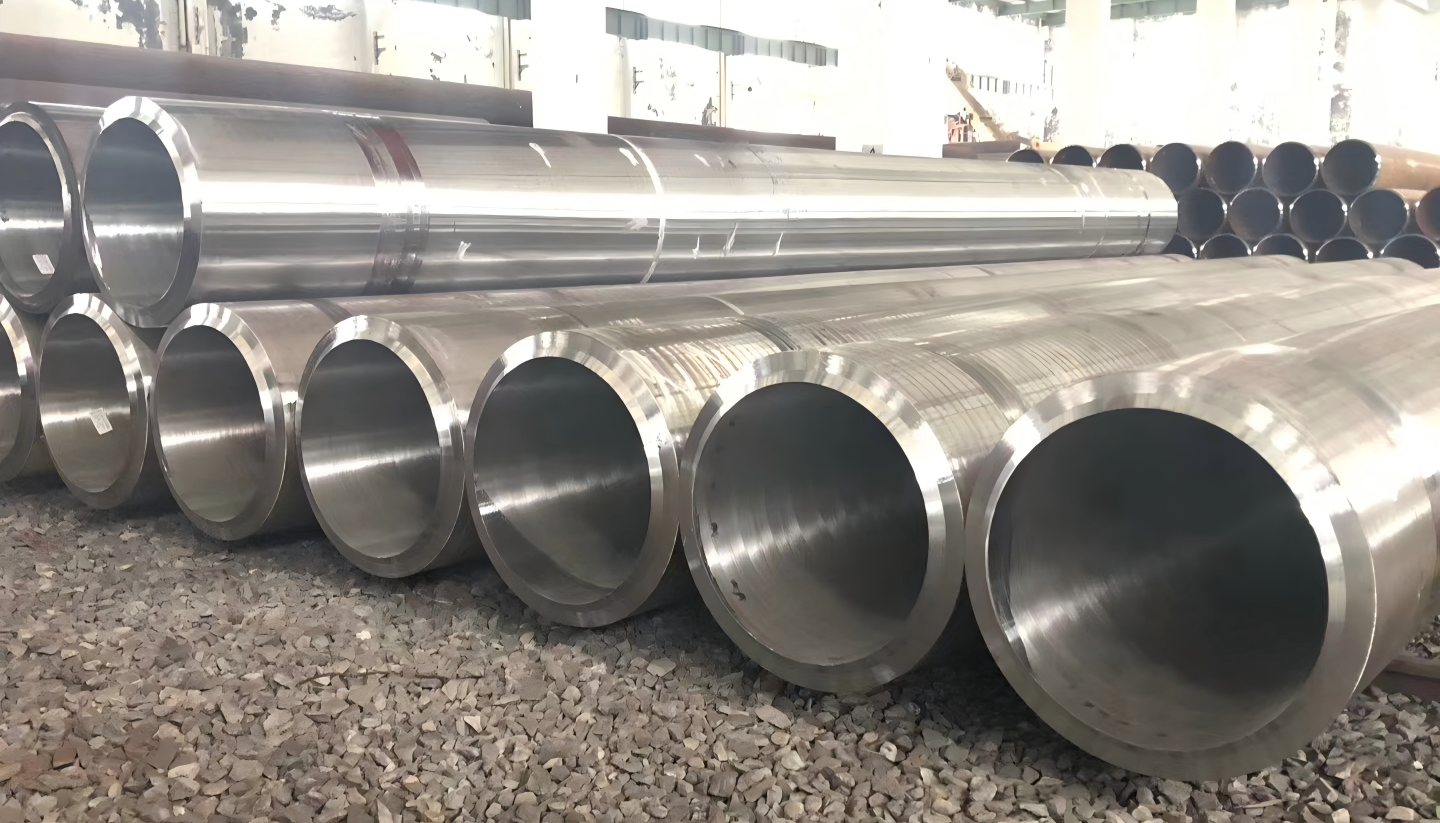
Cross-country pipelines transport natural gas over thousands of kilometers across diverse climates, deserts, mountains, and permafrost regions. These pipelines require high-strength LSAW and SSAW welded pipes (such as API 5L X70M/X80M) capable of maintaining structural stability under high internal pressure (up to 12 MPa) and severe environmental stress. High fracture arrest toughness ensures that potential dynamic cracks are contained immediately without catastrophic failure.
Scenario B: Subsea & Offshore Gas Pipelines
Offshore gas fields require submarine pipelines to transport extracted natural gas from offshore platforms or Floating LNG (FLNG) units back to onshore processing terminals. LSAW welded pipes with heavy wall thicknesses and strict ovality tolerances are selected to withstand high hydrostatic collapse pressures, hydrodynamic wave forces, and aggressive marine corrosion. External heavy weight concrete coatings (CWC) are frequently applied over 3LPE coatings to provide negative buoyancy and physical protection.
Scenario C: Urban High-Pressure Ring Mains & City Gate Stations
At city gate stations, natural gas pressure is reduced and distributed into urban high-pressure and medium-pressure grid rings. Electric Resistance Welded (ERW/HFW) steel pipes and fine-grain LSAW pipes are heavily utilized due to their uniform wall thickness, precise dimensions, ease of field fabrication, and exceptional weldability in tight municipal corridors.
Scenario D: Hydrogen & Natural Gas Blend Transmission (H2NG)
As the global energy mix transitions toward net-zero emissions, blending hydrogen (up to 20% by volume) into existing natural gas pipeline networks represents a crucial initiative. Welded pipes designed for H2NG transmission require clean metallurgical steel chemistry with strict controls on sulfur and phosphorus, preventing hydrogen embrittlement (HE) and hydrogen-induced cracking (HIC) along the longitudinal seam.
4. Emerging Industry Trends & Technological Innovations
The pipeline industry is experiencing rapid digital and material transformation to meet higher safety mandates and green energy targets. Key future trends include:
5. Enterprise Profile: Tianjin Sanon Steel Pipe Co., Ltd.
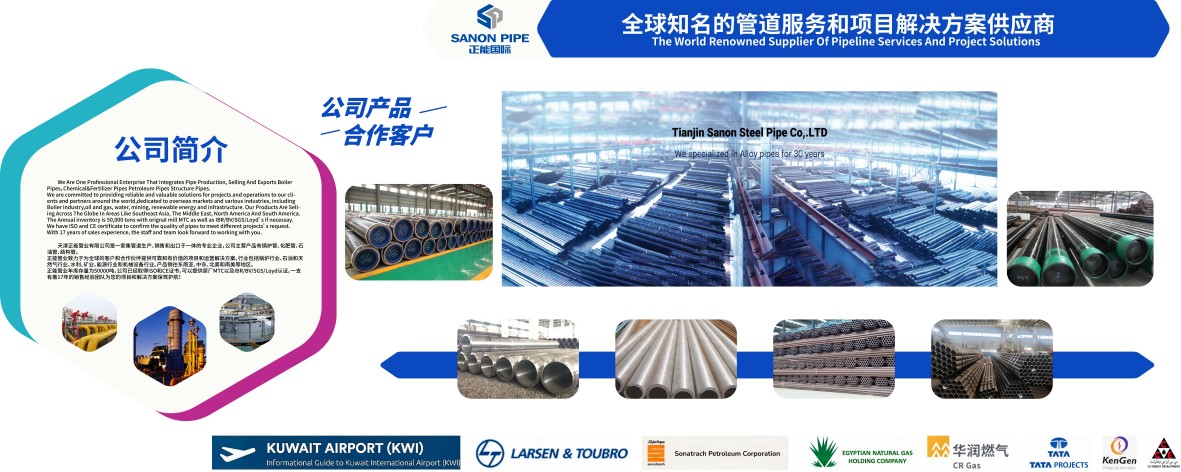
Tianjin Sanon Steel Pipe Co., Ltd. is the dedicated international department and branch company for Hebei Hong Cheng Pipe Fitting Company. As a world-class, one-stop supplier of steel pipes and pipeline engineering solutions, Sanon Pipe covers the complete supply chain process—from raw material control, precision manufacturing, packaging, and anti-corrosion painting to global shipping—saving global clients valuable project execution time and operational costs.
Global Stock & Supply Capacity
Sanon Pipe maintains mature cooperative factories and strategic warehouses with approximately 200,000 tons of seamless steel pipes (including carbon steel and alloy steel boiler/line pipes) and over 10,000 tons of welded pipes, square/rectangular structural hollow sections, and stainless steel pipes readily available in stock for rapid dispatch.
Main Product Portfolio Distribution
Our main enterprise product breakdown reflects our strategic focus across critical industrial sectors:
• Boiler Pipes: Account for 40% of total production/supply.
• Line Pipes (Gas & Petroleum): Account for 30% of total output.
• Petrochemical Pipes: Account for 10%.
• Heat Exchanger Tubes: Account for 10%.
• Mechanical & Structural Pipes: Account for 10%.
Comprehensive Material Grades & Standards
Our line pipes and alloy pipeline materials comply with international standards including API SPEC 5L, ASTM A335, GB/T 5310, GB 9948, and GB 6479:
• Carbon Line Pipe Standards: API 5L PSL1/PSL2 (Gr. B, X42, X52, X60, X65, X70, X80), SA106B, 20g, Q345 / Q355.
• Alloy & High-Temp Steel Grades: 12Cr1MoVG, 15CrMoG, Cr5Mo, 1Cr9Mo, 10CrMo910, and A335 P5 / P9 / P11 / P12 / P22 / P91 / P92.
• Boiler & Heat Exchanger Specs: ASTM A335/A335M (P5, P9, P11, P12, P22, P91, P92); GB/T5310-2017 (20mng, 25mng, 15mog, 20mog, 12crmog, 15crmog, 12cr2mog, 12crmovg); ASME SA-213 (T11, T12, T22, T23, T91, T92); ASTM A210 SA210C.
• Petrochemical Processing Specs: GB9948-2006 (15MoG, 20MoG, 12CrMoG, 15CrMoG, 12Cr2MoG, 12CrMoVG); GB6479-2013 (12CrMo, 15CrMo, 12Cr1MoV, 12Cr2Mo, 12Cr5Mo, 10MoWVNb, 12SiMoVNb).
Enterprise Culture
Company Vision
To become a globally renowned supplier of pipeline services and project solutions. What we offer is not merely steel pipe products, but a series of comprehensive services and solutions centered around steel pipes. We foster deep cooperative "partnership" relationships with our customers rather than simple buyer-seller transactions.
Company Mission
By building an agile, reliable, and professional steel pipe supply chain system, we ensure material safety and create outstanding value for global industrial projects.
Company Values
Customer trust, Professionalism as the foundation, Collaborative progress, and Responsibility for the long term.
Major Global Markets
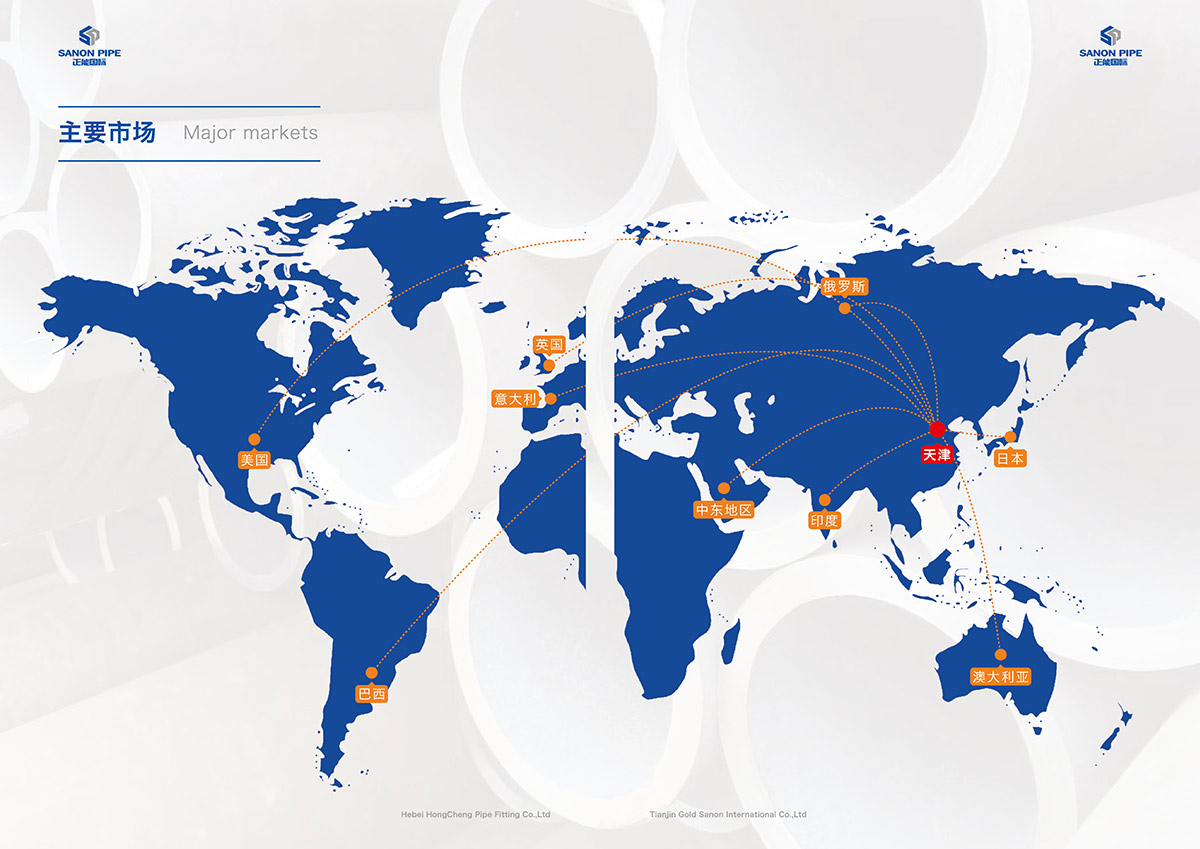
Our steel pipes are sold all over the world, with established partnerships across international markets. Our key sales regions include India, the Middle East, the United States, the United Kingdom, Italy, Russia, Brazil, Japan, and Australia. We provide seamless multimodal logistics solutions including ocean freight, air transport, and intercontinental railway transport.
Main Industry Customers
We take pride in delivering premium steel pipe products to global energy leaders and engineering giants:


Strategic Steel Mill Suppliers
Sanon Pipe collaborates with top-tier steel manufacturers to ensure raw material excellence:
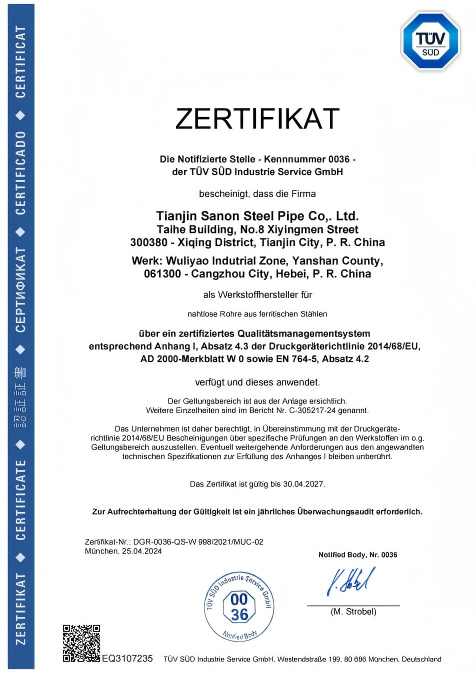
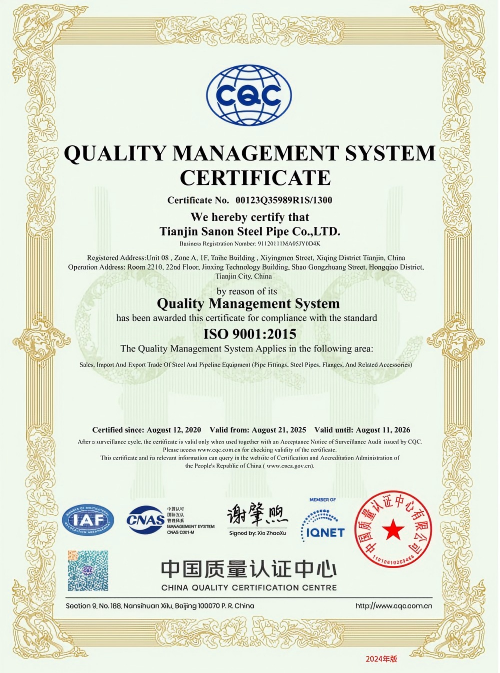
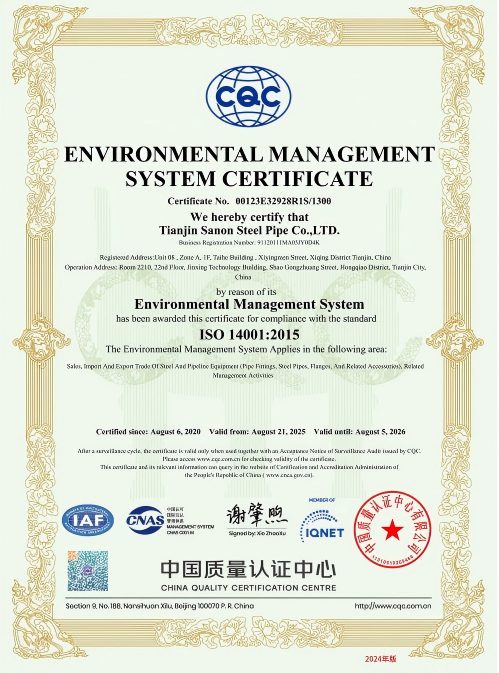
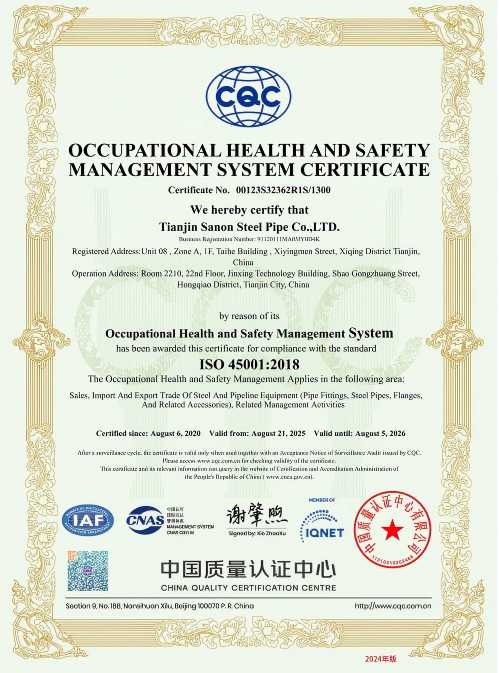
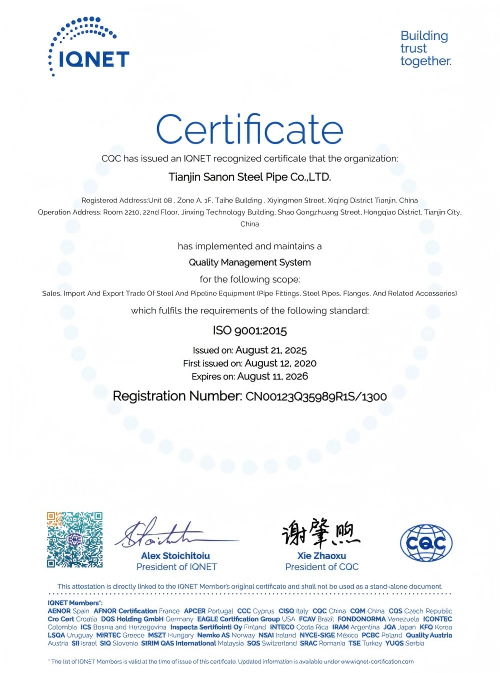
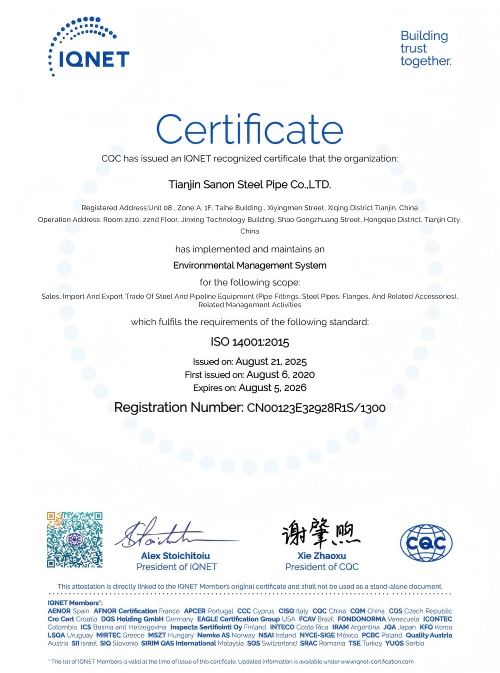
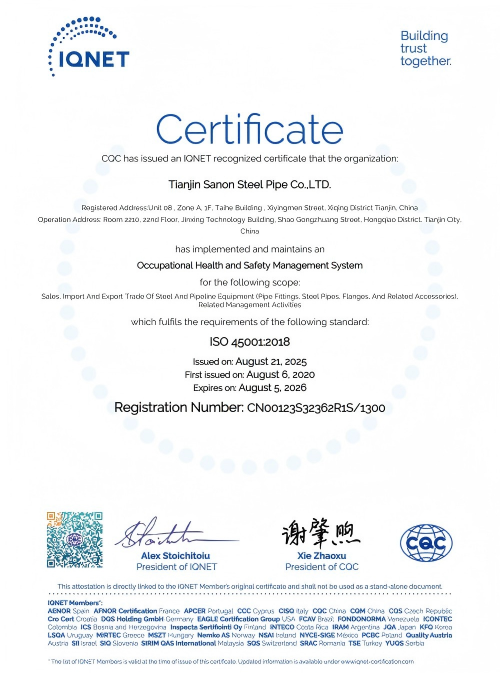
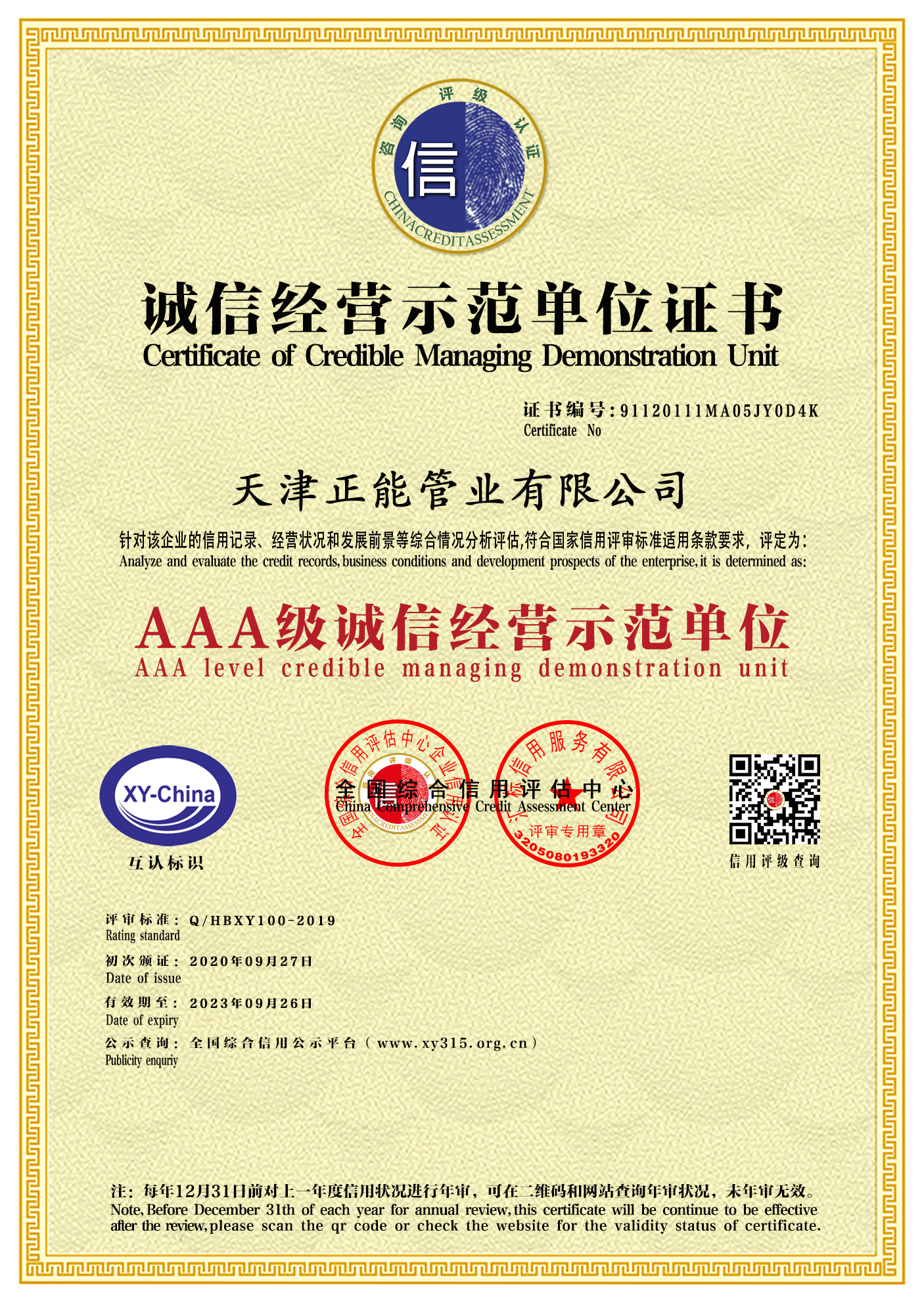
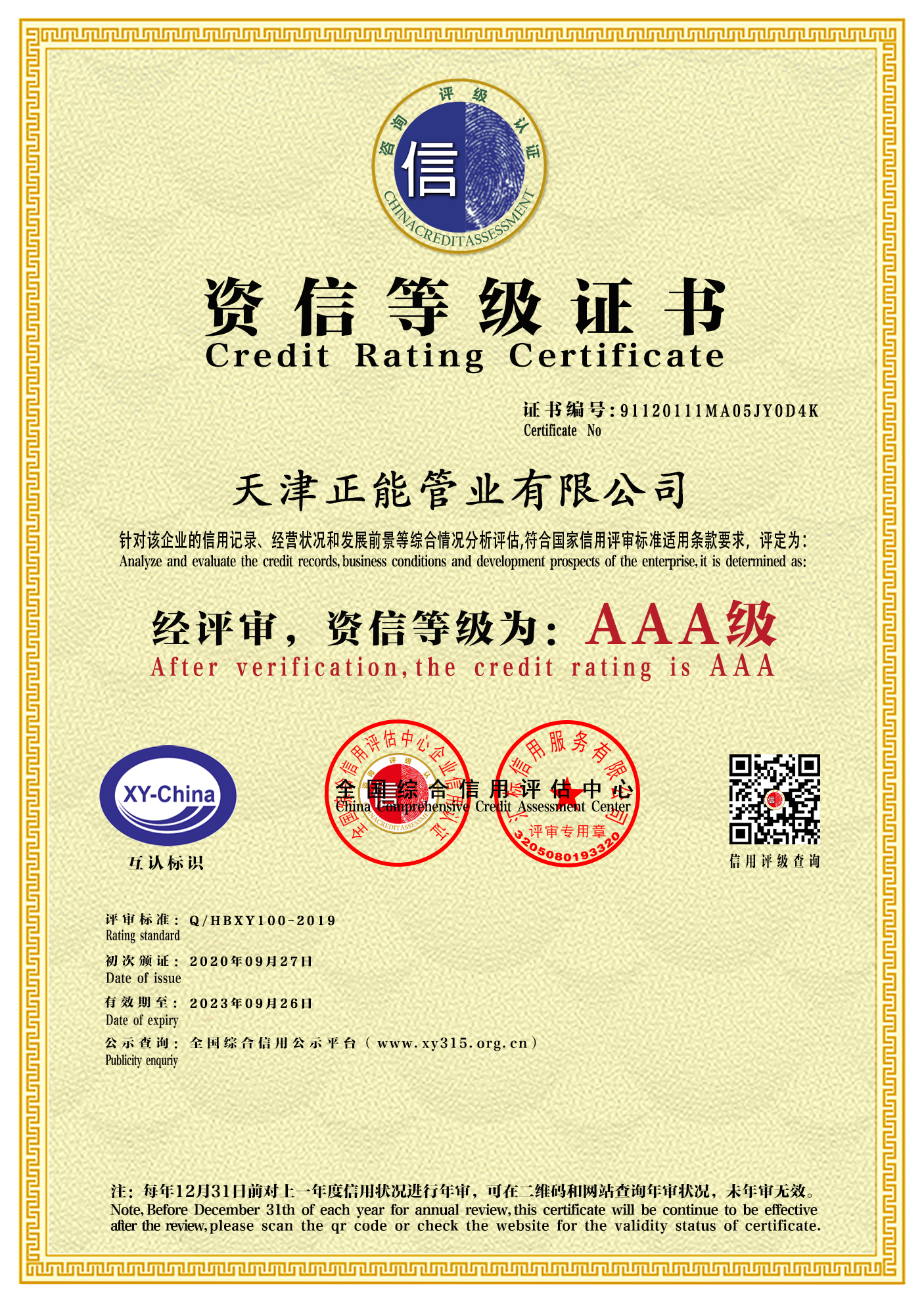
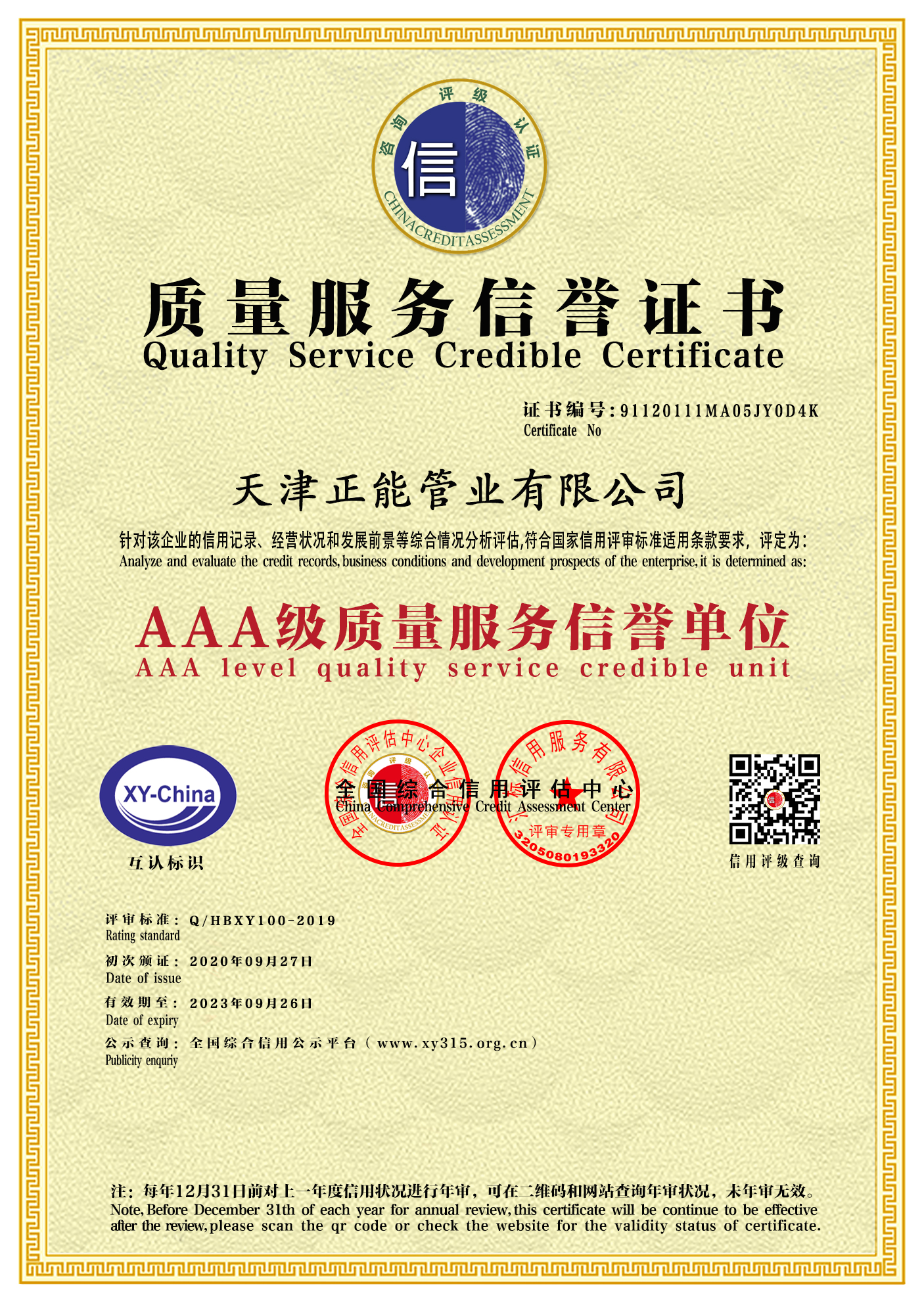
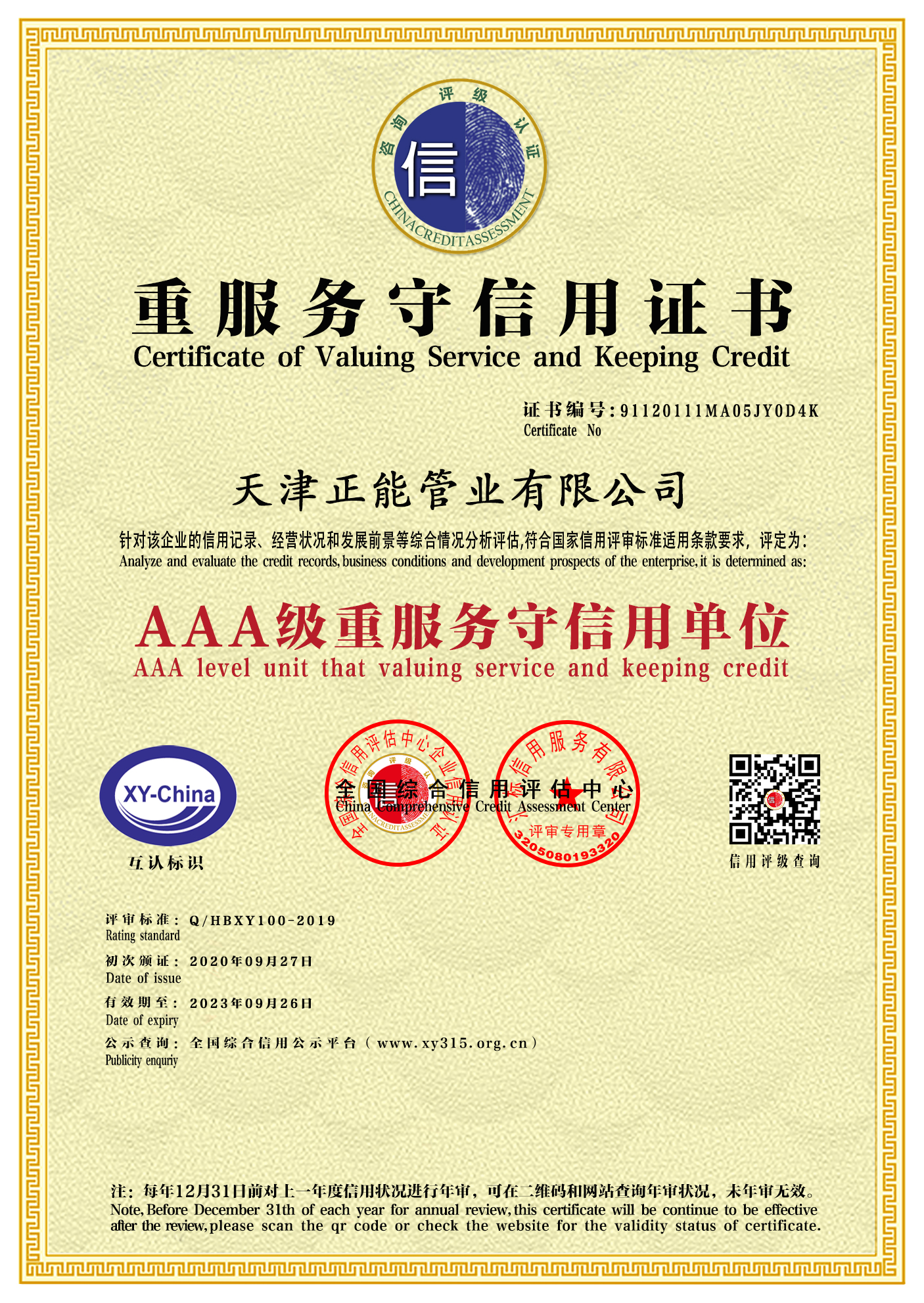
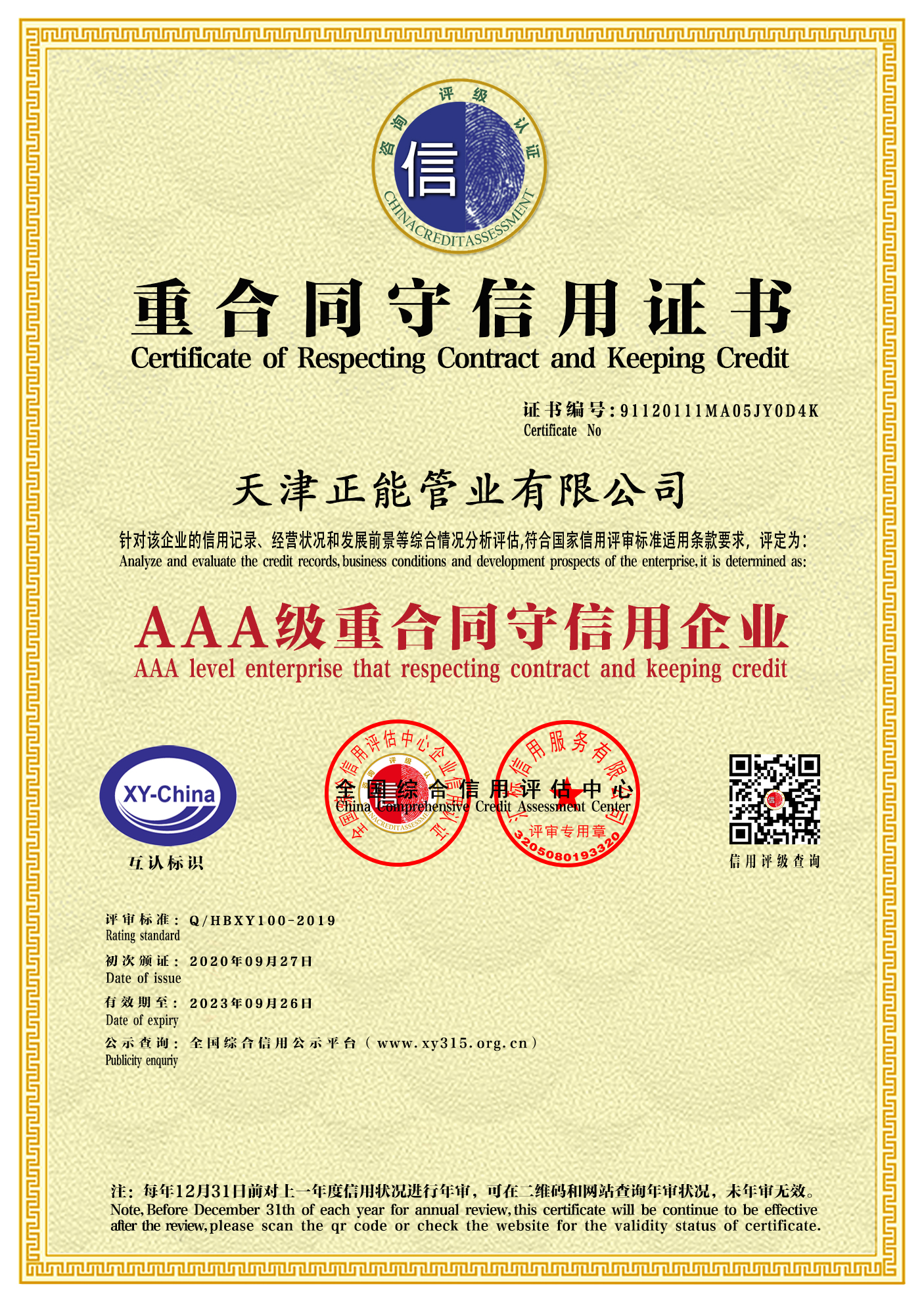
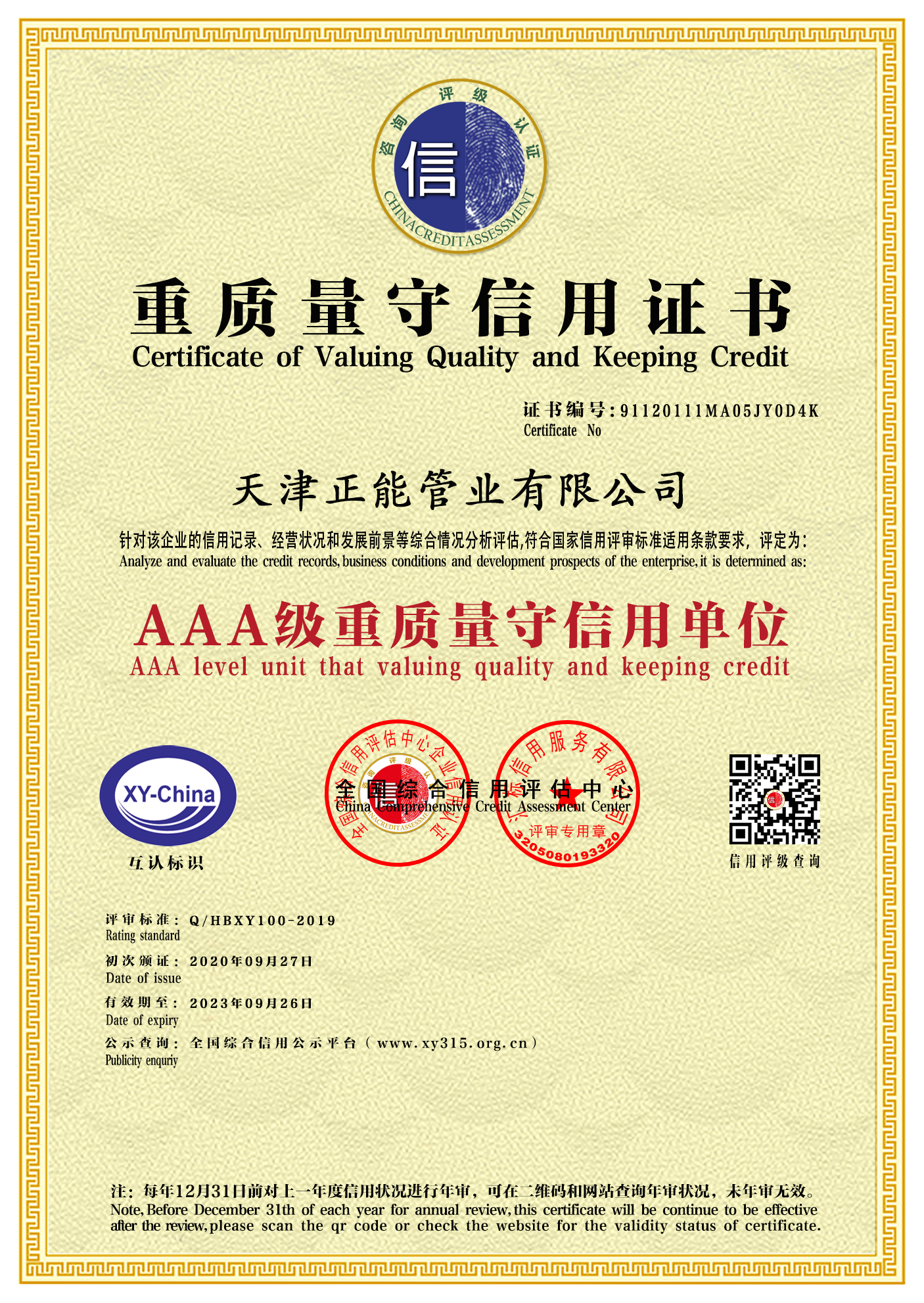
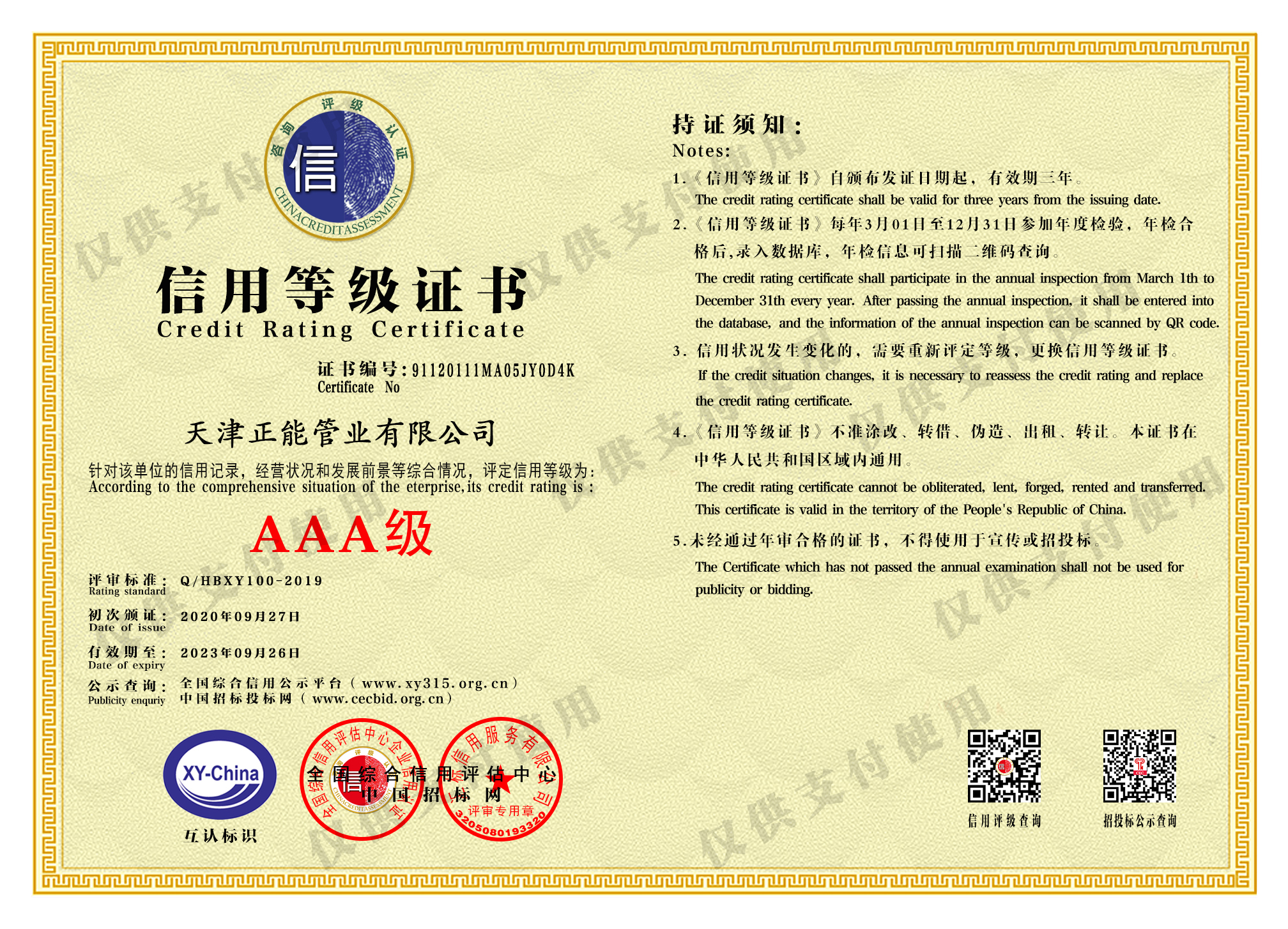
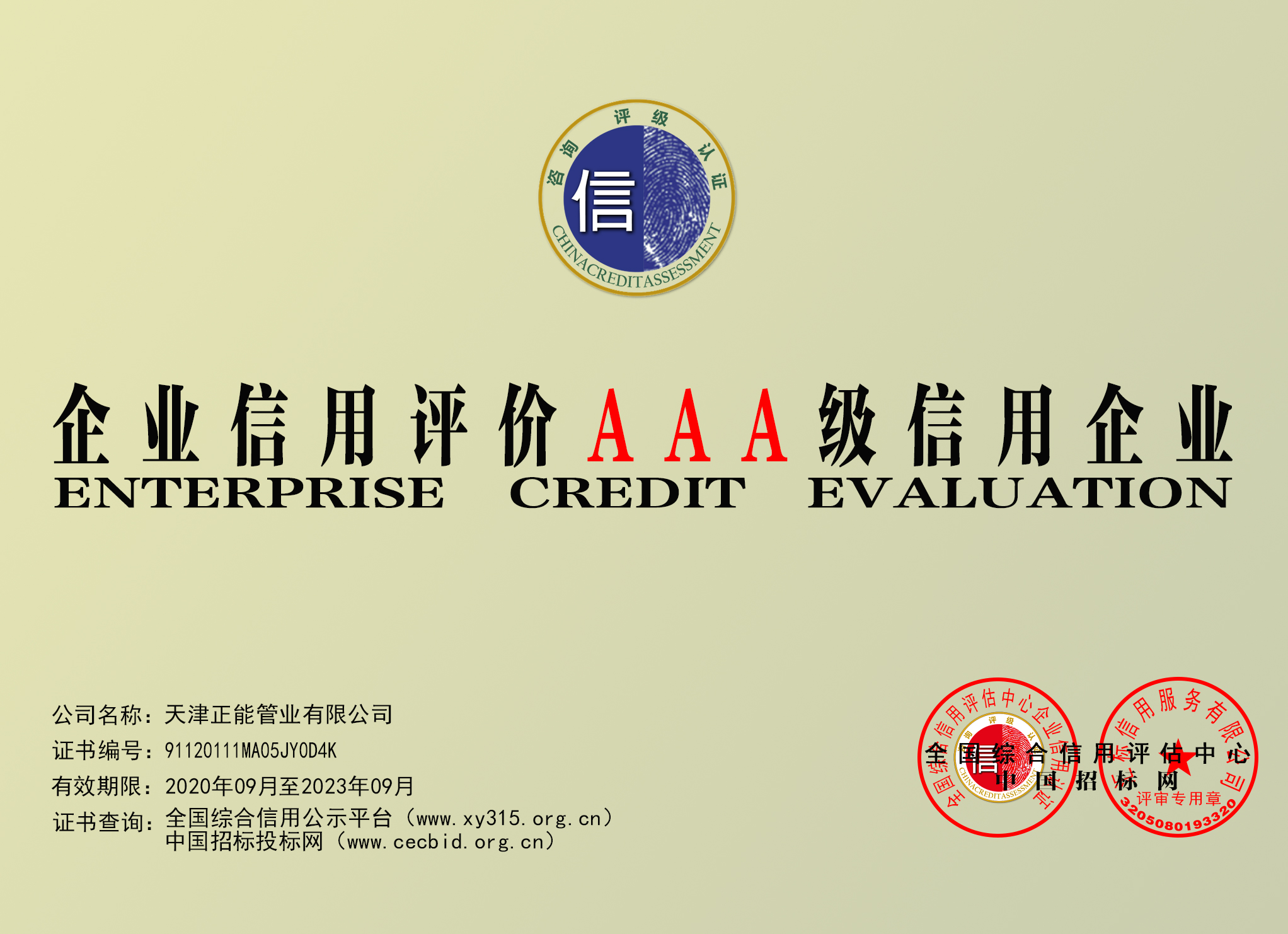
Certificates & Quality Accreditations
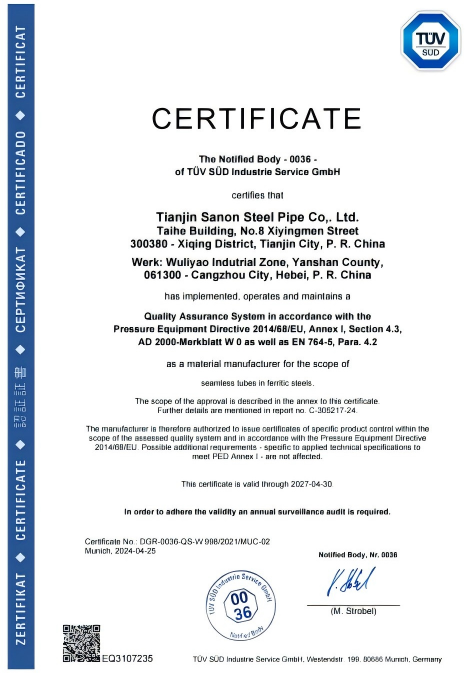
Our quality management systems are certified to meet international engineering compliance:
Why Choose Sanon Pipe for Gas Transmission Projects?
Complete Line Pipe & Tubular Product Range
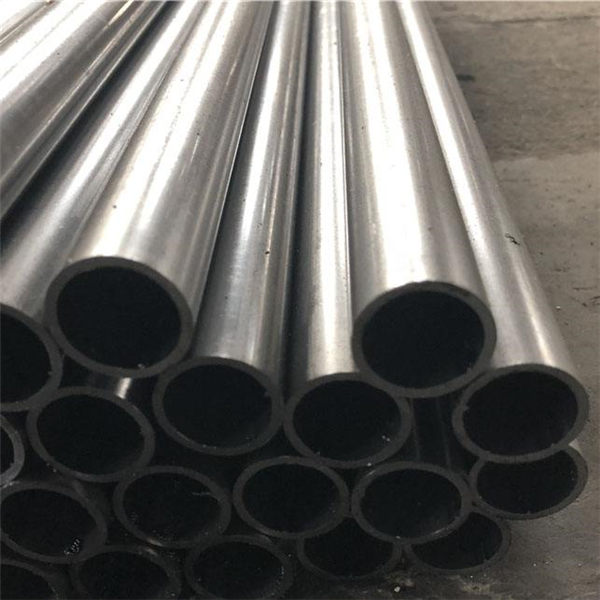
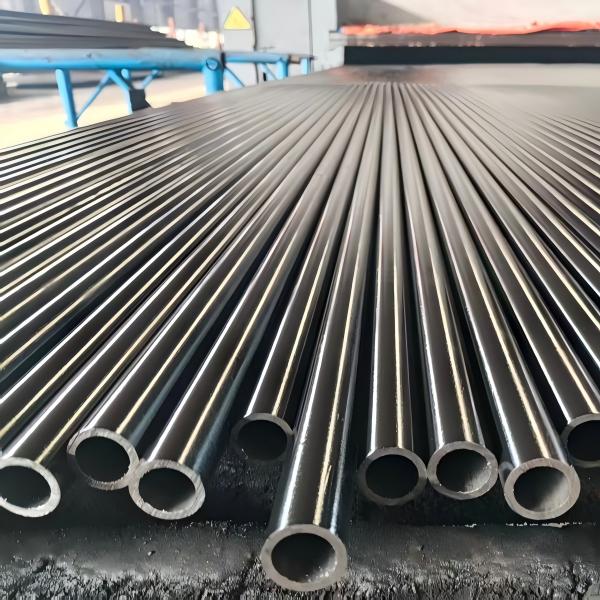
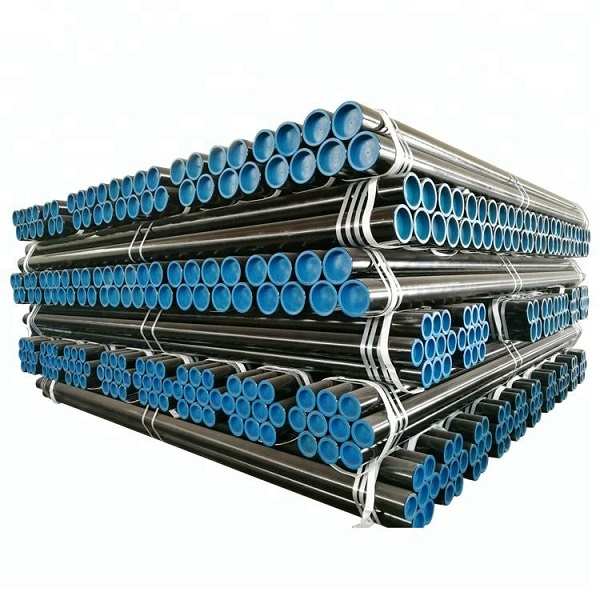
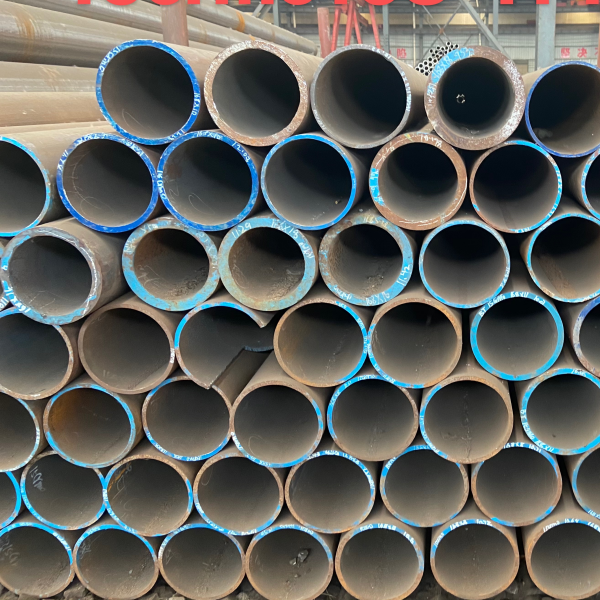
Explore our full line of seamless and welded steel pipes engineered for gas transmission, oil line systems, and industrial boiler equipment.
-

Phone
-

E-mail
-

Whatsapp
-

Wechat
-

Top