
Premium High-Pressure Solutions
The Industrial Landscape of Welded Steel Pipe for High-Pressure Applications
In the modern industrial era, the demand for robust and reliable infrastructure is unprecedented. Welded steel pipe for high-pressure pipelines stands at the forefront of this evolution, serving as the skeletal system for global energy, chemical, and water transport. Historically, seamless pipes were the standard for high-pressure environments; however, breakthroughs in welding technology—specifically Longitudinal Submerged Arc Welding (LSAW) and High-Frequency Electric Resistance Welding (ERW)—have elevated welded pipes to a position of parity, and in many cases, superiority due to cost-efficiency and dimensional accuracy.
Technological Convergence & Manufacturing Excellence
The manufacturing of high-pressure welded steel pipes involves sophisticated metallurgical processes. From the initial steel plate selection to the final hydrostatic testing, every step is governed by stringent international standards like API 5L, ASTM, and EN. Modern ERW processes now utilize high-frequency currents to create a localized forge weld without the need for filler metals, ensuring the weld seam possesses mechanical properties nearly identical to the parent material.
Deep Application Scenario Analysis
1. Ultra-Long Distance Oil & Gas Mainlines
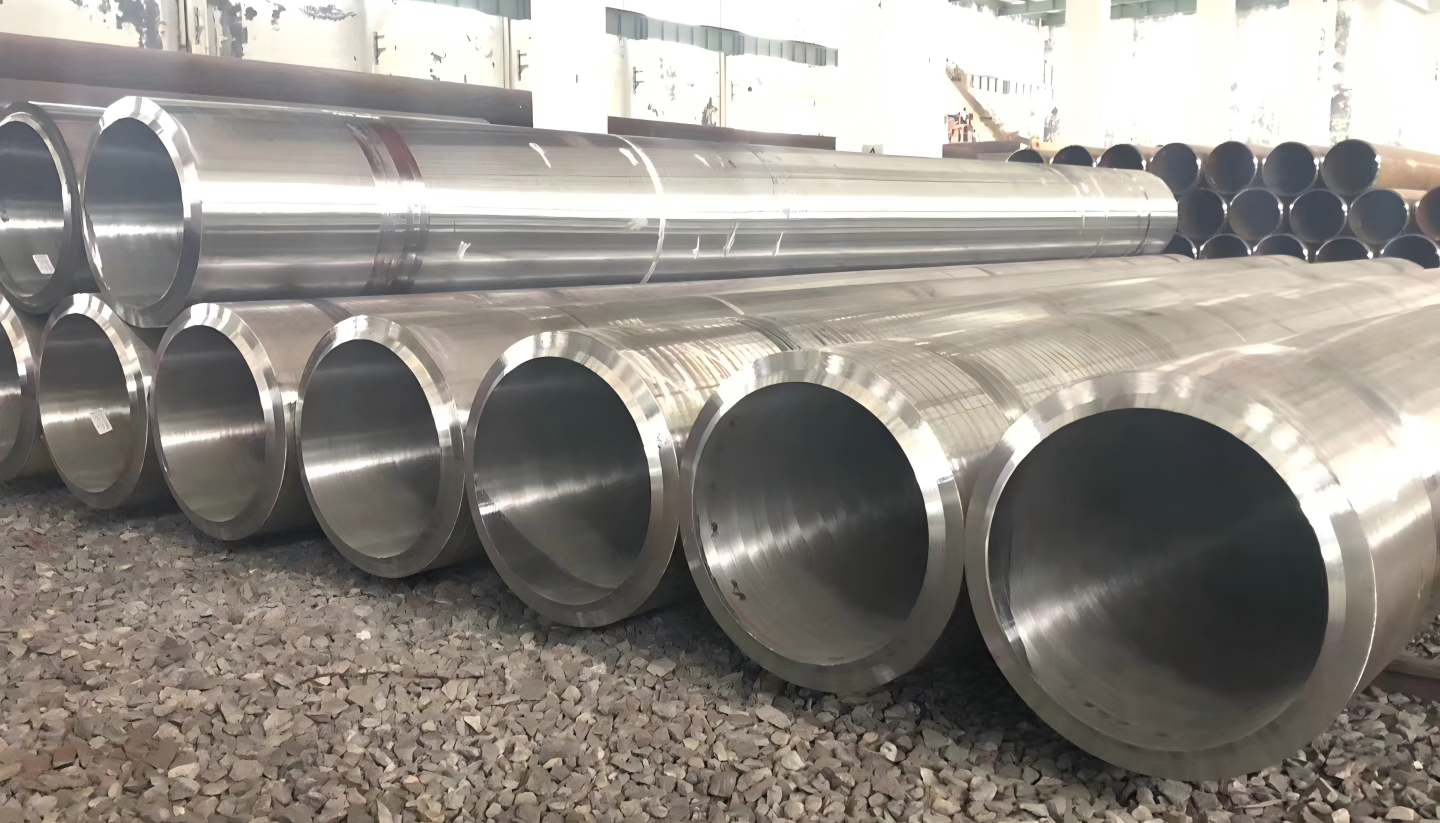
High-pressure pipelines are the lifeblood of the global energy trade. As exploration moves into more remote and hostile environments, such as the Arctic or deep-sea plateaus, the pipelines must withstand internal pressures exceeding 15 MPa while resisting external hydrostatic pressure and seismic shifts. Welded pipes, particularly LSAW, are preferred here for their ability to be manufactured in large diameters and heavy wall thicknesses, providing the necessary hoop strength to prevent catastrophic failures.
2. The Hydrogen Economy: The New Frontier
As the world pivots toward sustainable energy, hydrogen transportation presents a unique challenge. Hydrogen molecules are extremely small and can cause "hydrogen embrittlement" in standard steels. The next generation of high-pressure welded pipes is being developed with specialized micro-alloying elements and internal coatings to mitigate this risk. This transition represents a multi-billion dollar opportunity for the steel pipe industry to support carbon-neutral goals.
3. Supercritical Boiler Systems in Power Generation
In thermal power plants, high-pressure boiler tubes operate under extreme temperatures and pressures. These pipes must maintain structural integrity at 600°C or higher. The use of alloy-rich welded pipes, treated with advanced heat cycles (quenching and tempering), ensures long-term creep resistance, which is critical for the safety and efficiency of the plant.
Market Trends: Digitalization and Green Steel
The industry is currently undergoing a "Digital Twin" revolution. Each segment of high-pressure pipe is now often assigned a unique digital ID, allowing for full traceability from the steel mill to the installation site. Furthermore, the push for "Green Steel"—steel produced using hydrogen instead of coal—is becoming a key procurement requirement for major international energy firms like Shell, BP, and Saudi Aramco.
Metallurgical Integrity and Quality Assurance
Quality is not an option but a survival requirement in high-pressure scenarios. Leading manufacturers like Tianjin Sanon Steel Pipe Co., LTD. employ a suite of Non-Destructive Testing (NDT) methods. Ultrasonic Testing (UT) scans the entire weld seam for internal flaws, while X-ray inspection provides a visual record of the weld's internal structure. Hydrostatic testing, where the pipe is subjected to pressures far exceeding its operating limit, serves as the final validation of its structural soundness.
The Role of Micro-Alloying
To achieve the high yield strengths required for X70 or X80 grade line pipes, manufacturers utilize Thermo-Mechanical Controlled Processing (TMCP). By adding minute amounts of Niobium, Vanadium, and Titanium, the grain structure of the steel is refined, resulting in a material that is both incredibly strong and remarkably ductile, even at sub-zero temperatures.
Global Economic Impact and Supply Chain Resilience
The global welded steel pipe market is projected to grow significantly over the next decade. This growth is driven by massive infrastructure projects in Southeast Asia, the Middle East, and North America. However, the industry also faces challenges such as fluctuating raw material costs and geopolitical trade barriers. Companies that offer a "one-stop" service—integrating raw material sourcing, precision manufacturing, and logistics—are the ones setting the benchmark for the industry.
Tianjin Sanon Steel Pipe Co.,LTD.
Is The Branch Company And International Department For Hebei Hong Cheng Pipe Fitting Company
Sanon Pipe
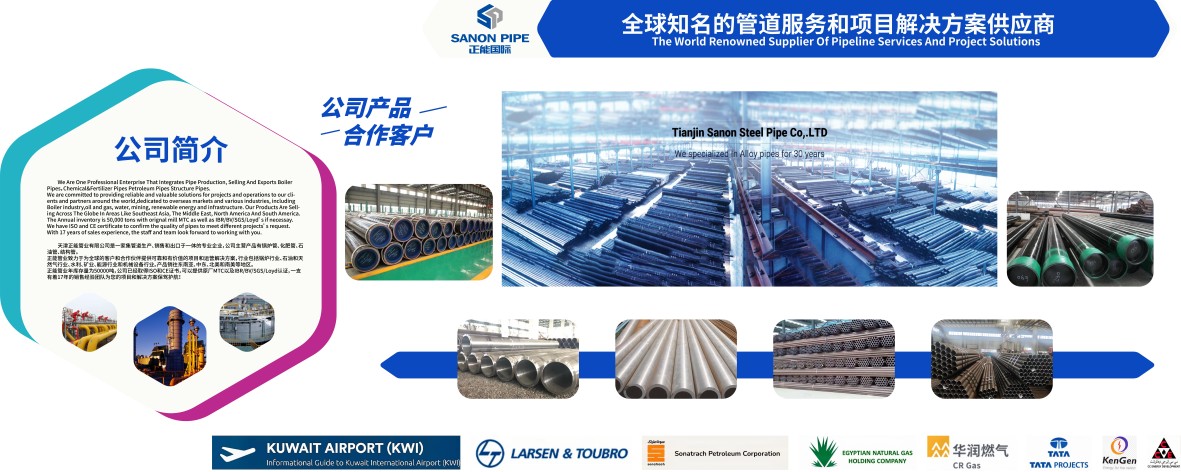
Sanonpipe is a one-stop supplier of steel pipe services. Our services cover the entire process from raw material control, packaging, painting, and shipping, saving clients time and costs. We have established mature cooperative factories and warehouses, with approximately 200,000 tons of seamless steel pipes, including carbon steel and alloy steel pipes. We also have 10,000 tons of welded pipes, square and rectangular pipes, and stainless steel pipes in stock.
Our Company’s Main Products Include: Boiler Pipes Account For 40%; Line Pipes Account For 30%; Petrochemical Pipes Account For 10%; Heat Exchanger Tubes Account For 10%; Mechanical Pipes Account For 10%. Wide Range Of Products: Our Main Product Lineup Includes SA106B, 20g, Q345, 12Cr1MoVG, 15CrMoG, Cr5Mo, 1Cr9Mo, 10CrMo910, And A335P5/P9/P11/P12/P22/P91/P92.
Enterprise Culture
Company Vision
To Become A Globally Renowned Supplier Of Pipeline Services And Project Solutions. We offer is not merely steel pipe products, but a series of comprehensive services and solutions centered around steel pipes.
Company Mission
By building an agile, reliable and professional steel pipe supply chain system, we ensure material safety and create outstanding value for global industrial projects.
Company Values
Customer trust, Professionalism as the foundation, Collaborative progress, and responsibility for the long term.
Major Markets & Global Reach
Our steel pipes are sold all over the world. The main markets are India, the Middle East, the United States, the United Kingdom, Italy, Russia, Brazil, Japan and Australia. Transport methods include ocean, air, and railway transport.
Main Customers

CHINA STATE SHIPBUILDING

OMV

Larsen & Toubro

NISCO

Reliance Industries

NNPC

Van Leeuwen Group

Stemcor Global
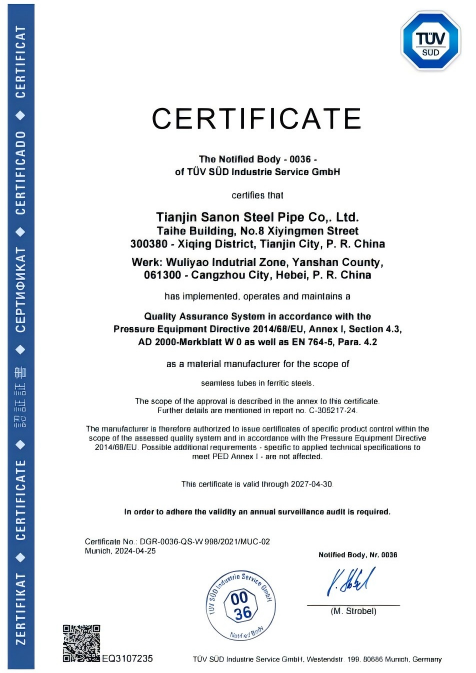
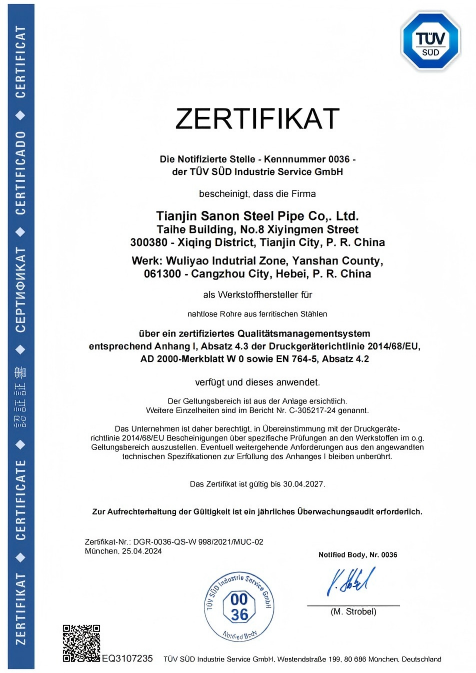
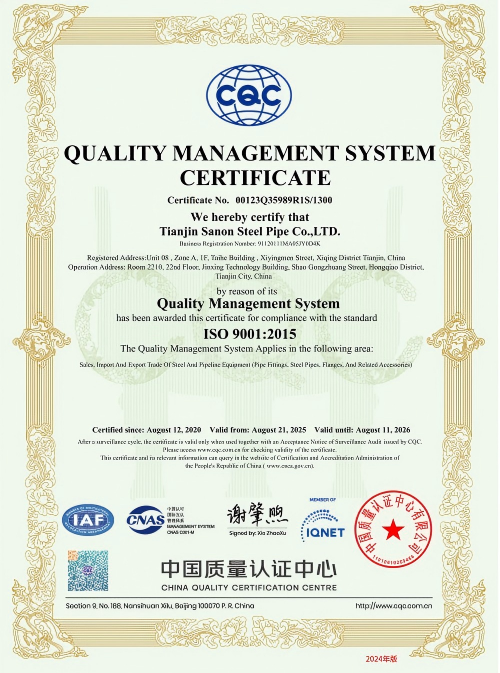
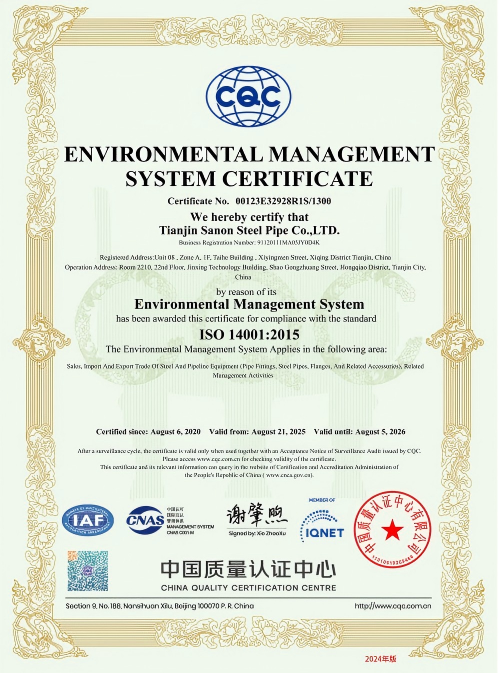
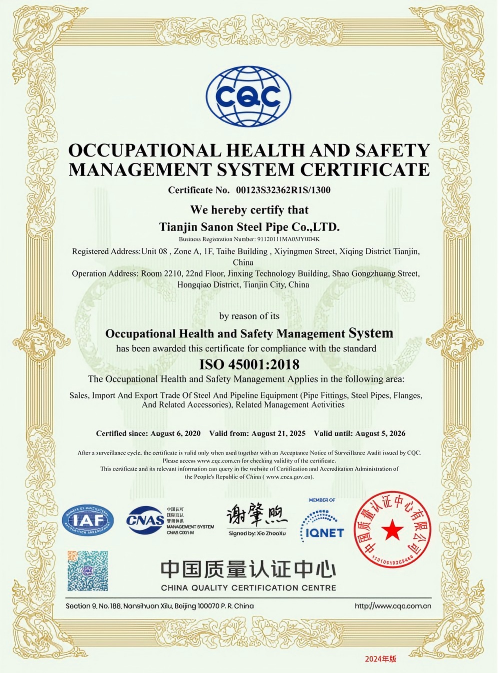
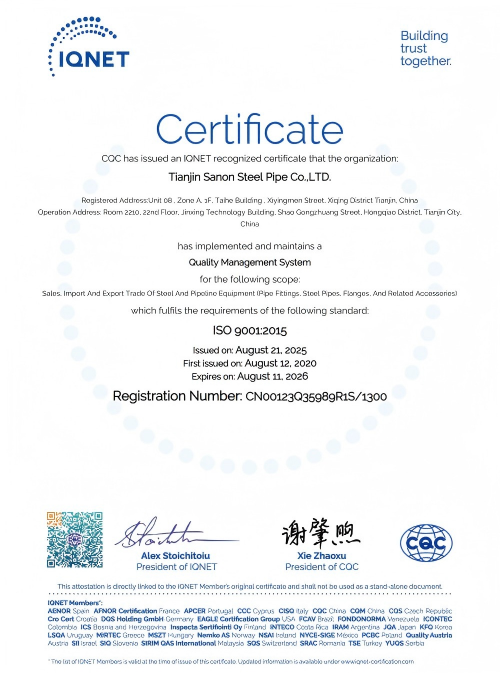
Certificates & Quality Assurance
Explore Our Full Product Portfolio
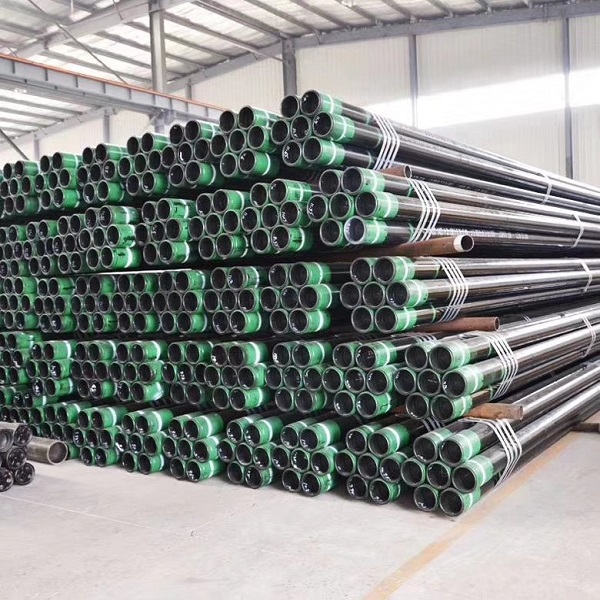 API SPECIFICATION 5CT NINTH EDITION-2012 Specification for Casing and Tubing
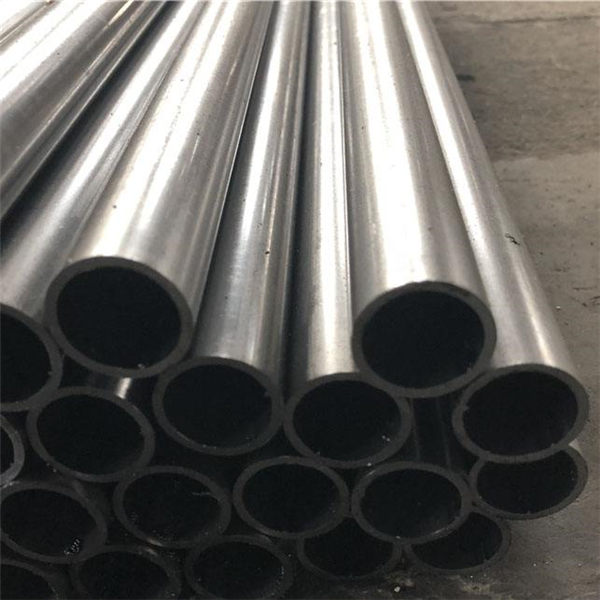 Overview of Mechanical Tubes / Chemical & Fertilizer Pipes
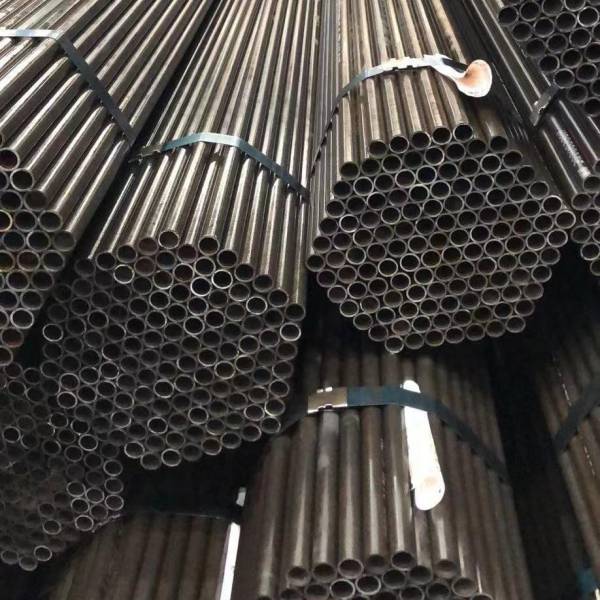 Seamless Alloy Steel Boiler Pipes Superheater alloy pipes Heat Exchanger Tubes
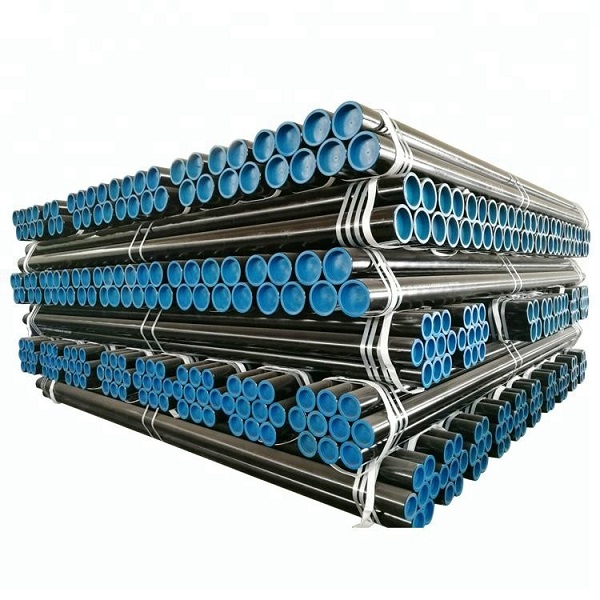 APISPEC5L-2012 Carbon Seamless Steel Line Pipe 46th edition
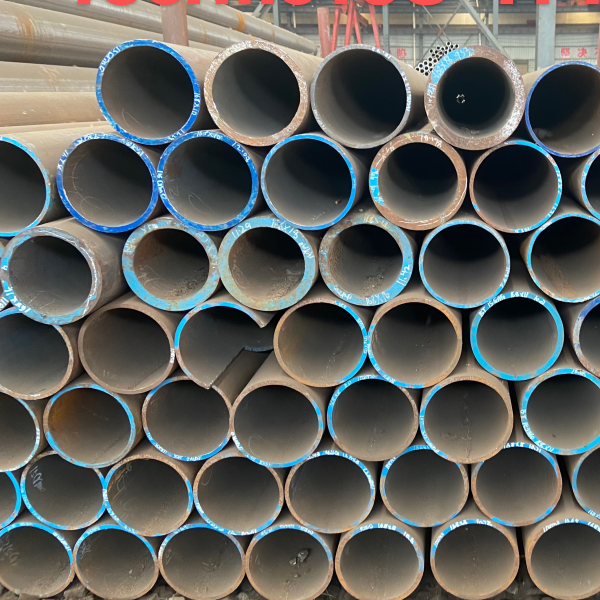 Seamless steel tubes for high-pressure boilers in GB/T5310-2017 Standard
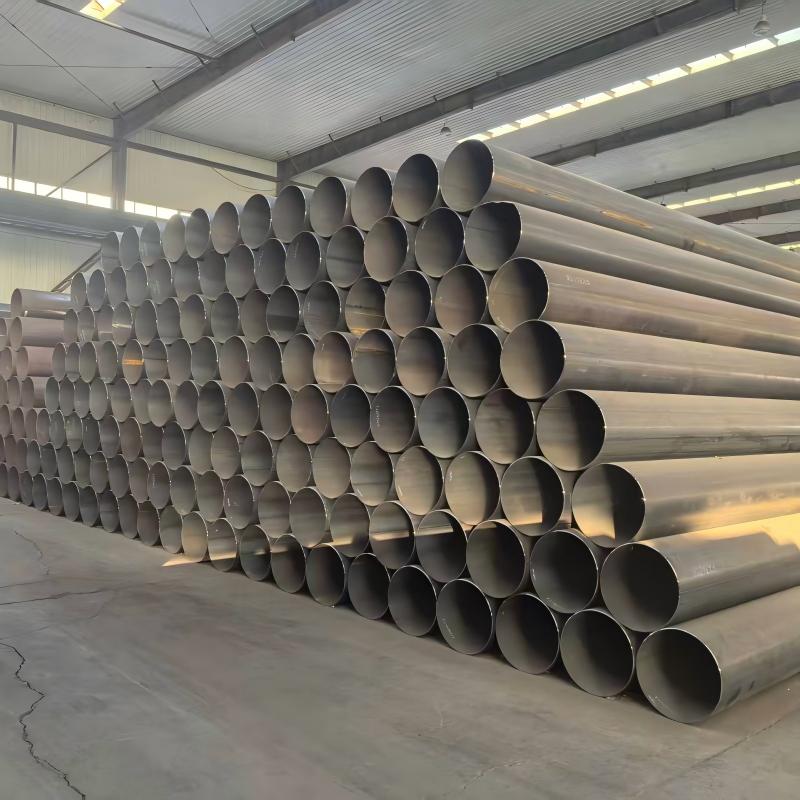 BS EN 10219-1:Cold formed welded structural hollow sections
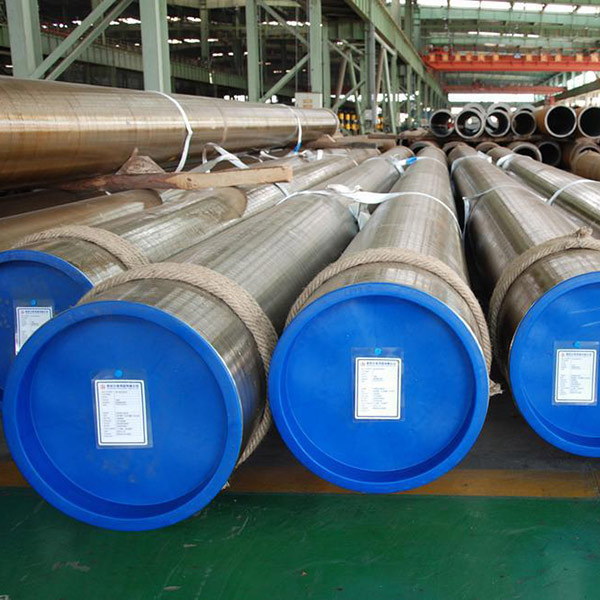 Overview of Boiler pipe
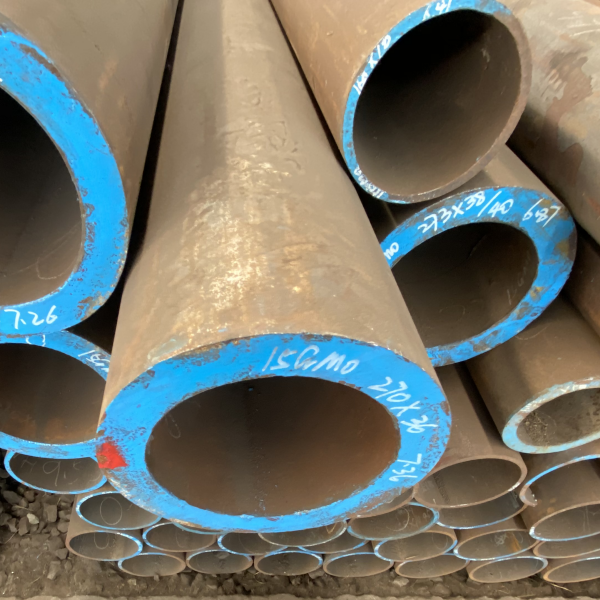 Seamless Steel Tubes For Petroleum Cracking, GB9948-2006
Future Outlook: High-Pressure Pipeline Innovation
The trajectory of welded steel pipe for high-pressure pipelines is inextricably linked to the global energy transition and the rise of smart infrastructure. As we look toward 2030, several key factors will define the commercial and industrial landscape of this sector.
Smart Pipelines and the IIoT
The integration of Industrial Internet of Things (IIoT) sensors directly into the pipeline structure is no longer science fiction. Future high-pressure welded pipes will likely be manufactured with embedded fiber-optic sensors that can detect minute changes in pressure, temperature, and structural integrity in real-time. This "Smart Pipe" technology allows operators to predict maintenance needs before a leak occurs, significantly reducing environmental risks and operational costs.
Advanced Coating Technologies
While the steel itself provides the strength, the coating provides the longevity. In high-pressure undersea applications, pipes are subjected to highly corrosive saltwater and extreme external pressures. Innovations in 3-layer polyethylene (3LPE) and fusion-bonded epoxy (FBE) coatings are extending the service life of welded pipelines to over 50 years. Furthermore, internal linings that reduce friction are being optimized to increase the throughput of high-pressure fluids, thereby improving the economic efficiency of the entire pipeline network.
Environmental Responsibility and Carbon Footprint
The steel industry is one of the largest contributors to global CO2 emissions. Consequently, the commercial success of steel pipe suppliers is increasingly tied to their carbon footprint. Tianjin Sanon Steel Pipe Co., LTD. and its partners are actively exploring low-carbon manufacturing routes. This includes using recycled steel scrap in electric arc furnaces (EAF) and investing in carbon capture technologies at the manufacturing level. Providing customers with accurate "Carbon Intensity" data for every ton of pipe is becoming a standard industry practice.
Conclusion: A Foundation for Progress
In conclusion, the welded steel pipe for high-pressure pipeline market is much more than a commodity business; it is a high-tech engineering field that requires a blend of metallurgical expertise, precision manufacturing, and forward-thinking innovation. Whether it is transporting natural gas across continents, facilitating the hydrogen revolution, or ensuring the safety of a high-pressure chemical reactor, these pipes are the unsung heroes of modern civilization. By choosing a partner like Sanon Pipe, global projects gain access to a legacy of quality, a commitment to innovation, and a supply chain built for the challenges of the 21st century.
Why Choose Sanon Pipe?
-

Phone
-

E-mail
-

Whatsapp
-

Wechat
-

Top