
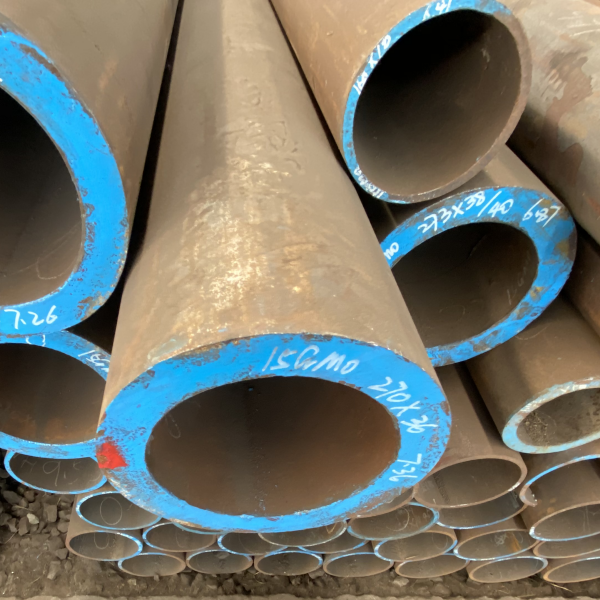
Featured Heat Exchanger & Boiler Tubes
Premium Grade Seamless Alloy & Carbon Steel Solutions Engineered for Extreme Pressure and Thermal Demands
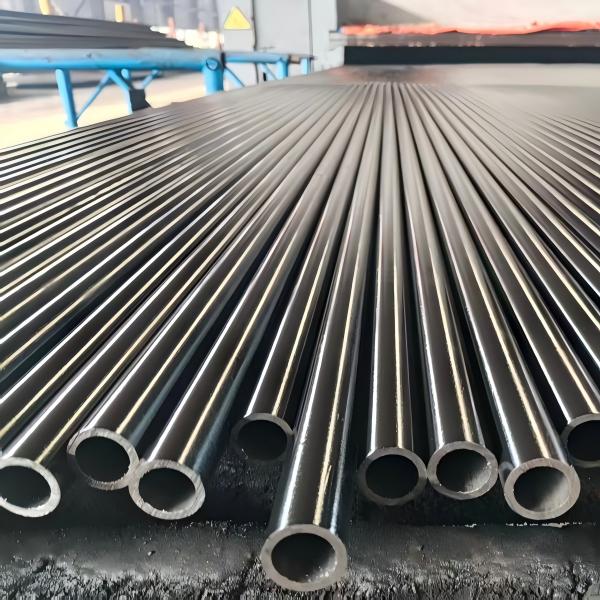
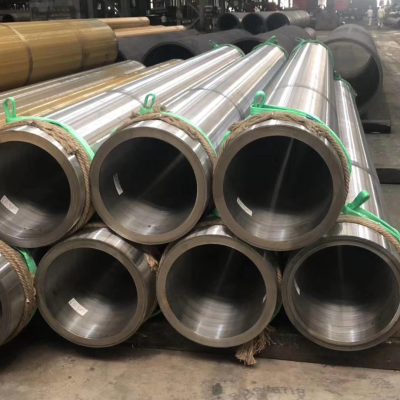
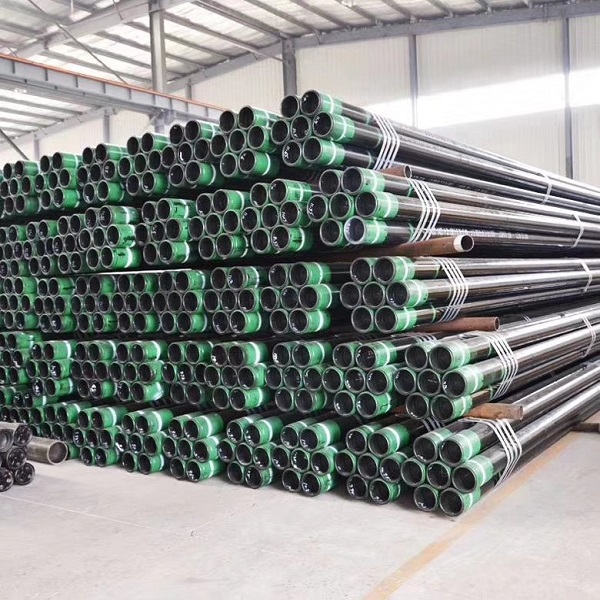
Industrial Dynamics of Alloy Steel Tubes in Heat Exchanger Fabrication
An In-Depth Engineering & Commercial Analysis of Material Science, Manufacturing Precision, and Market Trends
1. The Critical Role of Alloy Steel Tubes in Thermal Engineering
In modern industrial process plants—spanning petrochemical refineries, supercritical power stations, chemical processing units, and nuclear installations—the shell-and-tube heat exchanger remains the undisputed workhorse for thermal management. At the heart of every thermal transfer system lies the tubing bundle. Selecting the correct Alloy Steel Tube For Heat Exchanger Fabrication is a strategic engineering decision that directly dictates thermal efficiency, structural integrity, operational safety, and plant longevity.
Unlike standard carbon steel tubing, alloy steel tubes incorporate intentional additions of alloying elements such as Chromium (Cr), Molybdenum (Mo), Vanadium (V), Nickel (Ni), and Manganese (Mn). These elements dramatically improve the alloy's resistance to high-temperature creep, thermal fatigue, hydrogen attack, oxidation, and aggressive corrosive environments. Whether handling high-pressure superheated steam, hydrogen-rich hydrocarbon streams, or corrosive condensate, specialized alloy steel tubes provide the optimal balance between high thermal conductivity and robust mechanical stamina under cyclic stresses.
Formulated with Chromium and Molybdenum to sustain structural load without plastic deformation under extreme thermal ranges exceeding 550°C to 650°C.
Forms a self-passivating protective oxide scale that resists scaling, sulfide stress cracking, wet H2S damage, and acid gas deterioration.
Engineered with precise wall thickness tolerances to minimize thermal resistance while supporting extreme pressure differentials between shell and tube sides.
2. Material Grades & Standard Specifications Breakdown
Heat exchanger design codes such as ASME Section VIII, API 660, TEMA (Tubular Exchanger Manufacturers Association), and EN 13445 mandate stringent material specifications. Depending on operating temperature, pressure rating, and fluid chemistry, engineers select specific ASTM/ASME alloy grades:
| Standard Specification | Material Grade | Nominal Composition | Primary Industrial Applications |
|---|---|---|---|
| ASME SA-213 / ASTM A213 | T11, T12 | 1.25Cr - 0.5Mo / 1Cr - 0.5Mo | Medium-temperature heat exchangers, reboilers, and superheaters up to 520°C. |
| ASME SA-213 / ASTM A213 | T22, T23 | 2.25Cr - 1Mo / 2.25Cr-1Mo-V-B | High-pressure power plant heat exchangers, hydrocrackers, and steam generators. |
| ASME SA-213 / ASTM A213 | T91, T92 | 9Cr - 1Mo - V - Nb / 9Cr - 0.5Mo - 1.8W | Ultra-supercritical power generation, high-temperature heat exchangers operating above 600°C. |
| ASTM A335 / ASME SA-335 | P5, P9, P11, P22, P91 | Various Cr-Mo Alloy Ratios | Heavy-wall header pipework, thermal piping loops connected to heat exchangers. |
| GB/T 5310 / GB 6479 | 12Cr1MoVG, 15CrMoG, 12Cr2Mo | Cr-Mo-V Alloy Steels | High-pressure chemical fertilizer synthesis equipment and petroleum cracking heat exchangers. |
3. Fabrication Practices & Quality Control Requirements
Fabricating a shell-and-tube heat exchanger is a highly complex process involving U-bending, tube expansion, tube-to-tubesheet joint welding, and strict non-destructive testing (NDT). Seamless alloy steel tubes must exhibit extraordinary dimensional precision, low ovality, clean surface finish, and predictable ductility during bending and expansion.
- U-Bend Tube Fabrication: Seamless alloy steel tubes are often bent into U-configurations for thermal expansion mitigation. Post-bend solution heat treatment or stress relief annealing is vital to eliminate residual stresses in the bend zone, preventing stress corrosion cracking (SCC).
- Tube-to-Tubesheet Expanding & Welding: Tubes are hydraulically or mechanically expanded into tubesheet holes, followed by precision TIG/GTAW seal welding or strength welding. Consistent outer diameter (OD) and wall thickness (WT) tolerances are non-negotiable for zero-leak joints.
- Non-Destructive Testing (NDT): Every heat exchanger tube undergoes 100% Non-Destructive Electric Testing (Eddy Current or Ultrasonic Inspection) along with Hydrostatic Testing to verify seam integrity and internal soundness.
4. Market Outlook & Technological Trends in Heat Exchanger Fabrication
The global heat exchanger market is experiencing transformative growth driven by the worldwide energy transition, industrial decarbonization, expansion of Liquefied Natural Gas (LNG) infrastructure, and the rise of green hydrogen production. Modern heat exchangers are subject to higher operational cycles, aggressive media, and demands for greater heat recovery efficiency.
Key industry developments include the adoption of fine-grained alloy steels, advanced surface treatments, and digitally integrated supply chains. EPC contractors and OEM fabricators require supply partners who can provide end-to-end material traceability, rapid delivery from ready stock, compliance with carbon footprint transparency regulations, and custom pre-fabrication services.
Tianjin Sanon Steel Pipe Co., Ltd.
Branch Company & International Department for Hebei Hong Cheng Pipe Fitting Company
One-Stop Global Supplier of Steel Pipe Services
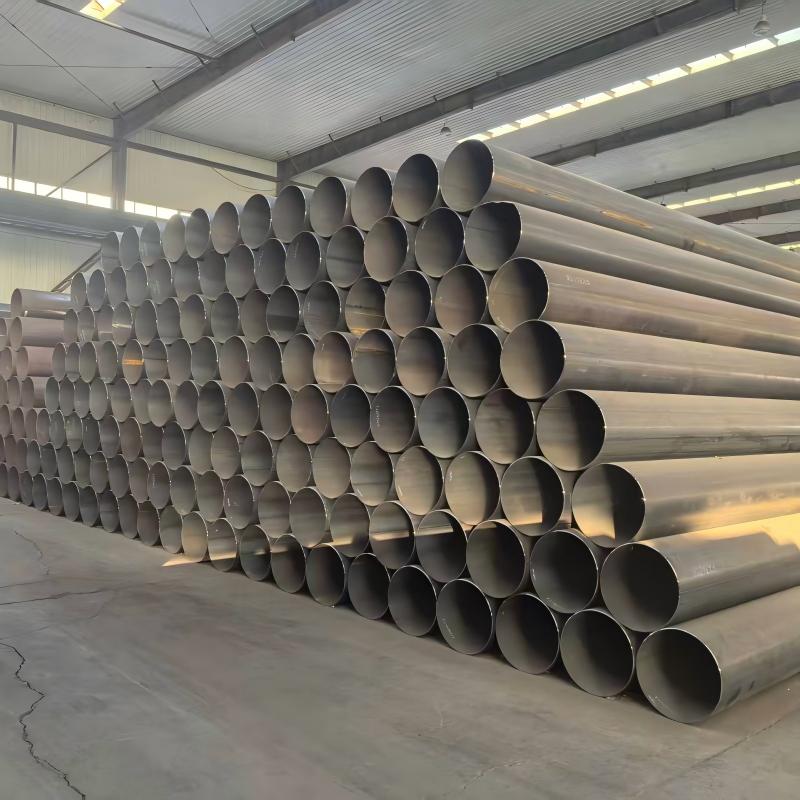
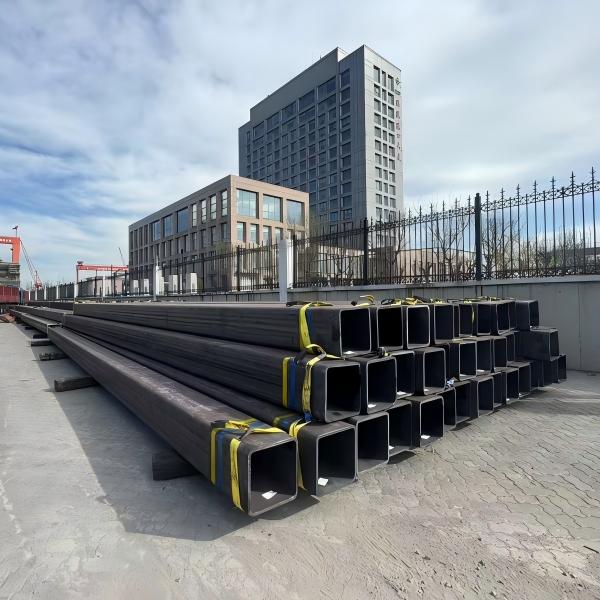
Sanonpipe is a one-stop supplier of steel pipe services. Our services cover the entire process from raw material control, packaging, painting, and shipping, saving clients time and costs. We have established mature cooperative factories and warehouses, with approximately 200,000 tons of seamless steel pipes, including carbon steel and alloy steel pipes. We also have 10,000 tons of welded pipes, square and rectangular pipes, and stainless steel pipes in stock.
- Boiler Pipes: 40%
- Line Pipes: 30%
- Petrochemical Pipes: 10%
- Heat Exchanger Tubes: 10%
- Mechanical Pipes: 10%
Comprehensive Alloy Steel Material Portfolio
Our Main Product Lineup Includes: SA106B, 20g, Q345, 12Cr1MoVG, 15CrMoG, Cr5Mo, 1Cr9Mo, 10CrMo910, And A335P5/P9/P11/P12/P22/P91/P92.
Boiler Pipes
ASTM A335/A335M-2018: P5, P9, P11, P12, P22, P91, P92
GB/T5310-2017: 20G, 20MnG, 25MnG, 15MoG, 20MoG, 12CrMoG, 15CrMoG, 12Cr2MoG, 12Cr1MoVG
ASME SA-213: T11, T12, T22, T23, T91, P92, T5, T9, T21
Petrochemical Pipe
GB9948-2006: 15MoG, 20MoG, 12CrMoG, 15CrMoG, 12Cr2MoG, 12CrMoVG, 20G, 20MnG, 25MnG
GB6479-2013: 12CrMo, 15CrMo, 12Cr1MoV, 12Cr2Mo, 12Cr5Mo, 10MoWVNb, 12SiMoVNb
Heat Exchanger Tube
ASME SA210: SA210C
ASME SA213: T11, T12, T22, T23, T91, T92
These High-Quality Seamless Steel Pipes Are Carefully Manufactured To Meet Industry Standards And Are Known For Their Robustness, Corrosion Resistance, And Longevity.
Enterprise Culture & Core Values
Building Trust, Operational Agility, and Long-Term Value for Global Industrial Projects
To Become A Globally Renowned Supplier Of Pipeline Services And Project Solutions. We offer is not merely steel pipe products, but a series of comprehensive services and solutions centered around steel pipes. We have a deep cooperative "partnership" relationship with our customers rather than a simple buyer-seller relationship.
By building an agile, reliable and professional steel pipe supply chain system, we ensure material safety and create outstanding value for global industrial projects.
Customer trust, Professionalism as the foundation, Collaborative progress, and responsibility for the long term.
Global Footprint & Major Markets
Connecting Global Engineering Projects with Reliable Alloy Pipe Solutions
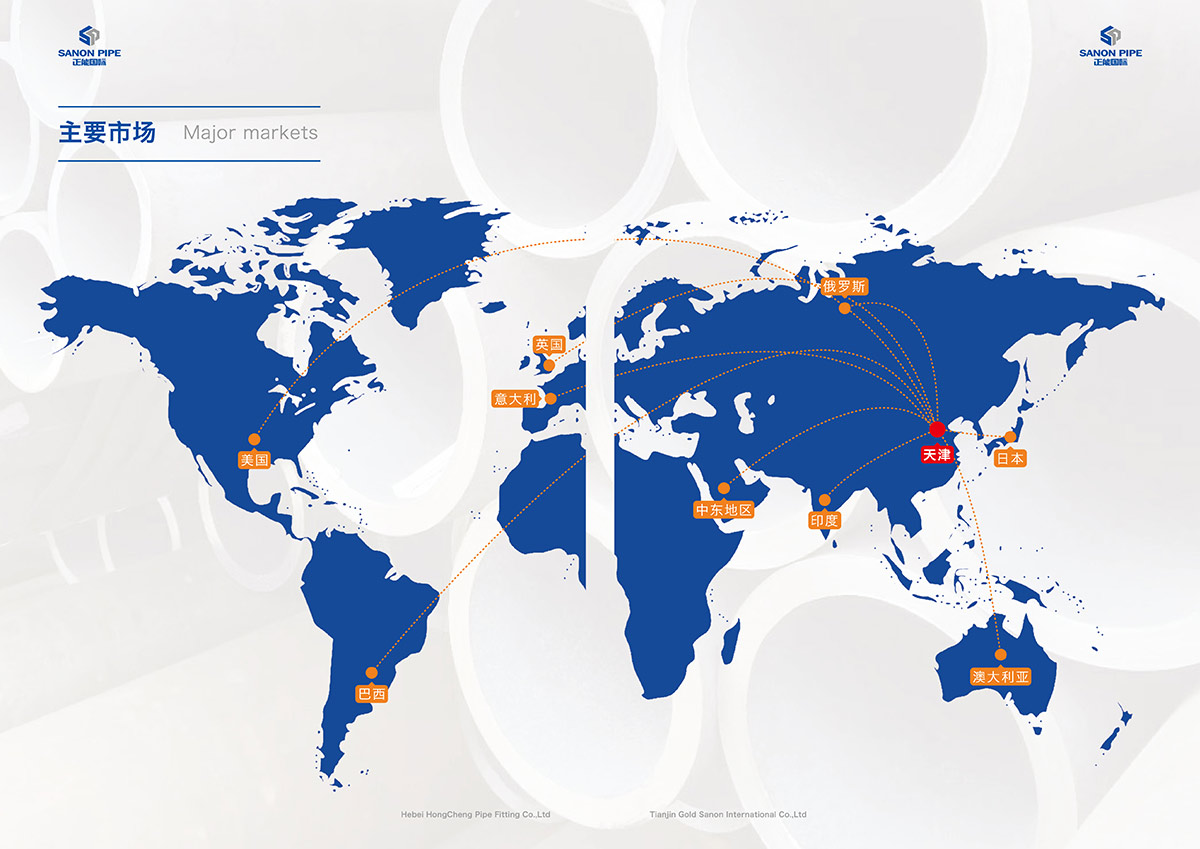
Our steel pipes are sold all over the world, and we have already cooperated with customers in many countries. The main markets are India, the Middle East, the United States, the United Kingdom, Italy, Russia, Brazil, Japan and Australia. The transport methods of our steel pipes are ocean transport, air transport and railway transport.
Main International Clients

China State Shipbuilding Corporation (CSSC)

OMV

Larsen & Toubro

National Iranian Steel Company (NISCO)

Reliance Industries Limited

Nigerian National Petroleum Corporation Group (NNPC)

Van Leeuwen Pipe & Tube Group

Stemcor Global Holdings Limited

Samsung Electronics

TotalEnergies

Indian Oil Corporation Limited (IOCL)

China Petrochemical Corporation (Sinopec)

Siemens

Thyssenkrupp

Tata Group

Kuwait Airport Project (KWI)
Main Mill Suppliers & Manufacturing Ecosystem
Partnering with China's Premier Steel Mills to Guarantee Unrivaled Material Excellence
Hengyang Valin Steel Tube Co., Ltd. (HYST)
Founded in 1958, HYST is a subsidiary of Hunan Valin Iron & Steel Group Co., Ltd. It has over 3,900 employees and total assets of 13.5 billion Yuan. Accredited as a national high-tech enterprise, it ranks among top export enterprises in Hunan Province.
CITIC Pacific Special Steel Holdings
A subsidiary of CITIC Limited, owning Xingcheng Special Steel, Xinyegang Steel, Daye Special Steel, and Qingdao Special Steel. It forms a strategic industrial chain layout across coastal and riverside hubs.
Yangzhou Chengde Steel Pipe Co., Ltd.
Specialized in producing 219-720x3-100mm carbon and alloy seamless steel pipes. Serving thermal power, petrochemical, boiler, oil & gas, and shipbuilding industries with unmatched product variety.
Baotou Iron and Steel Group (Baogang)
State-owned enterprise established in 1954 in Inner Mongolia. It represents the largest steel enterprise in Inner Mongolia and the largest scientific research and production base for rare earths in China.
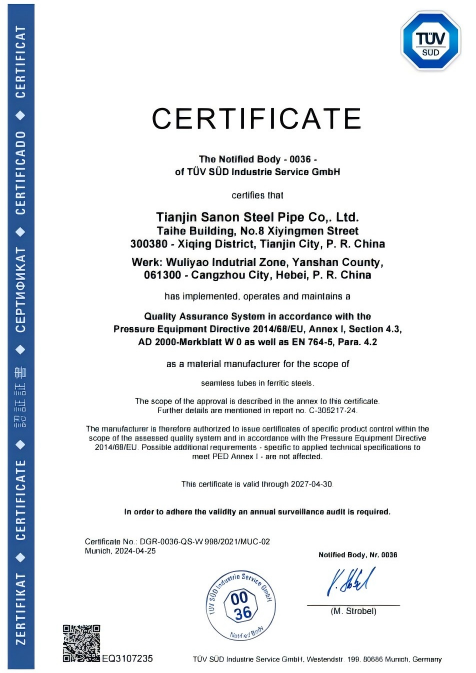
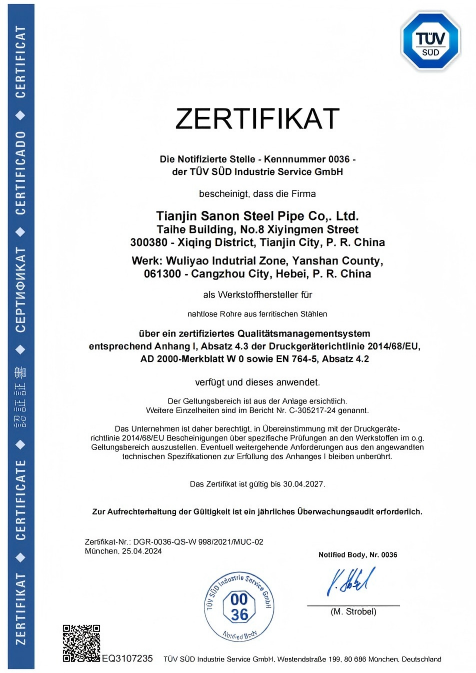
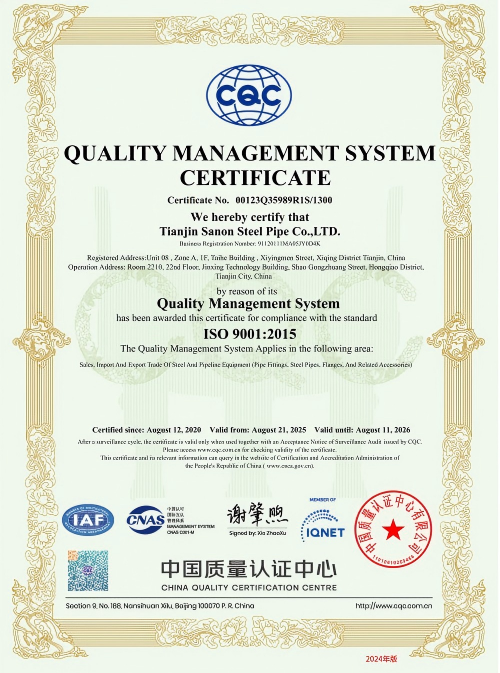
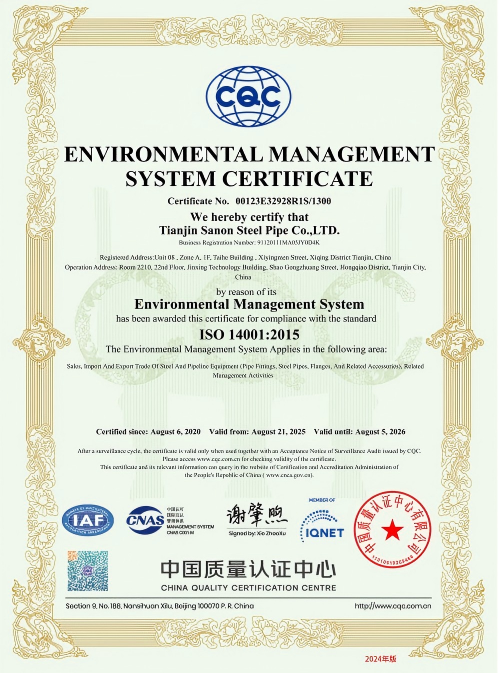
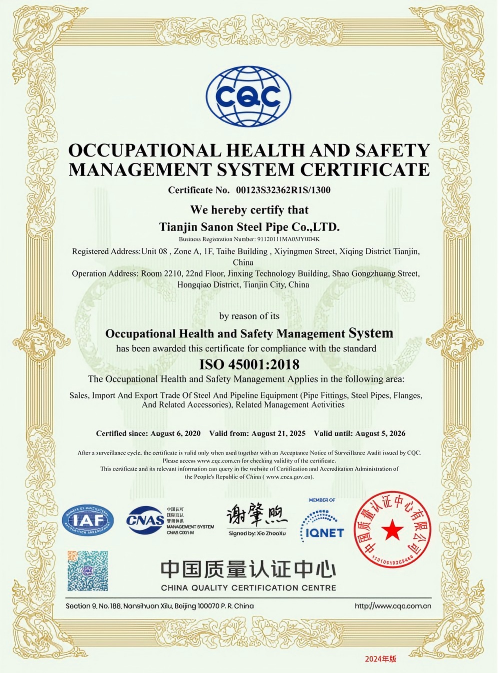
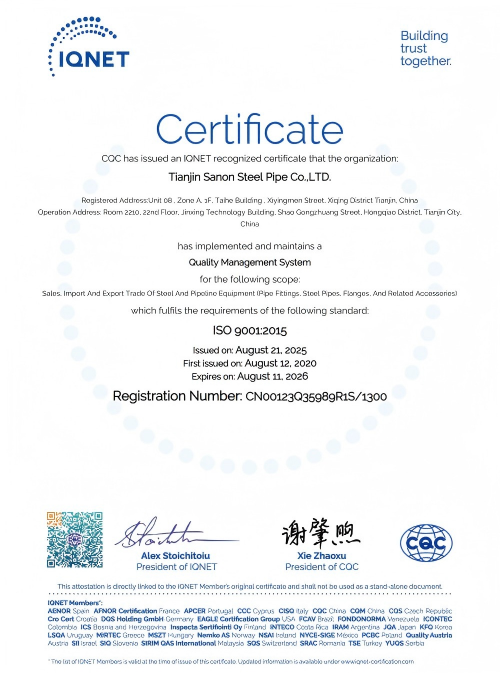
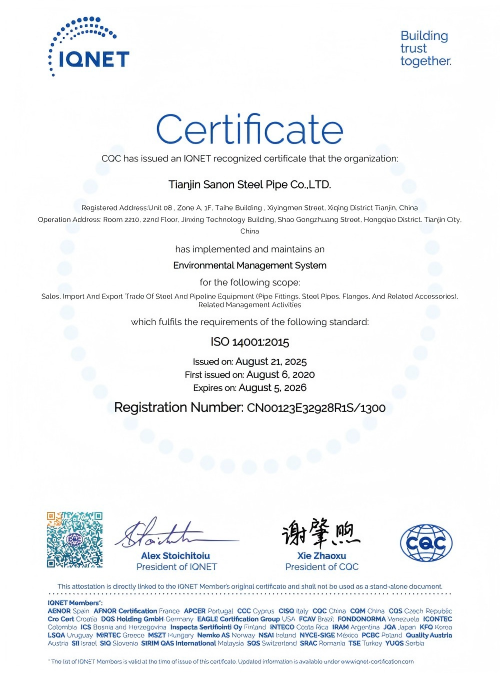
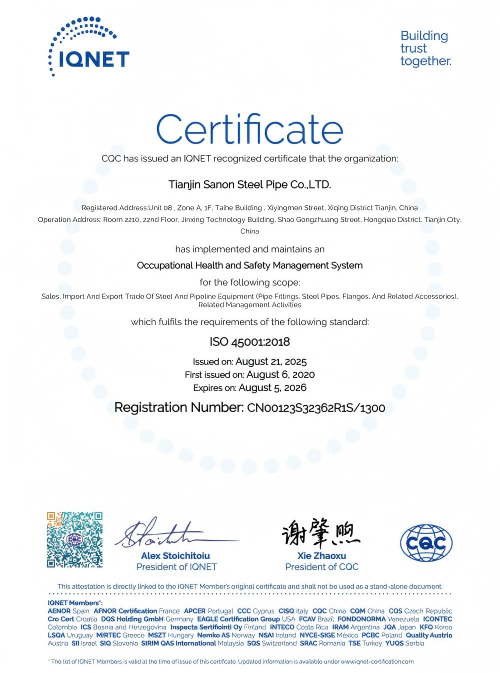
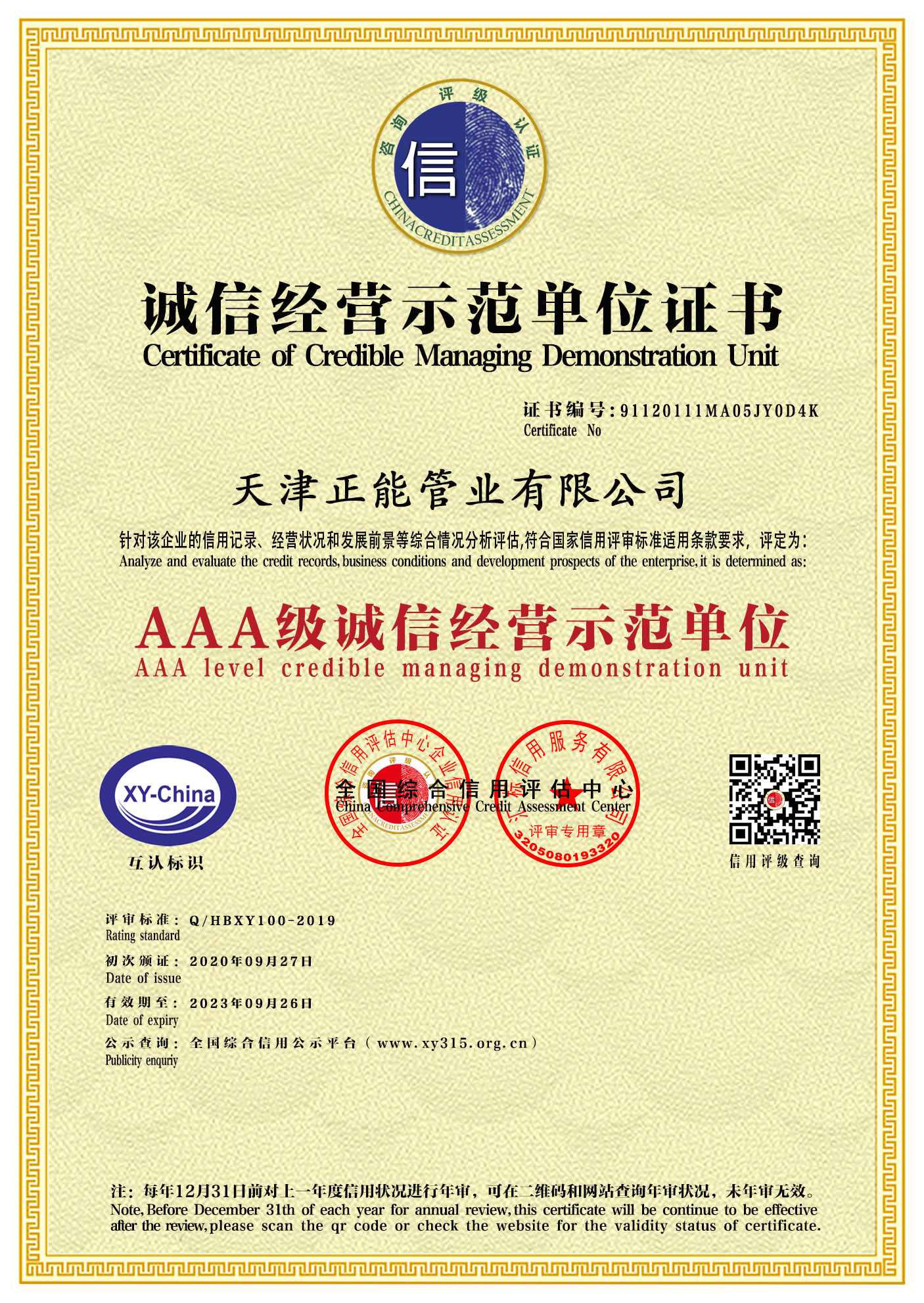
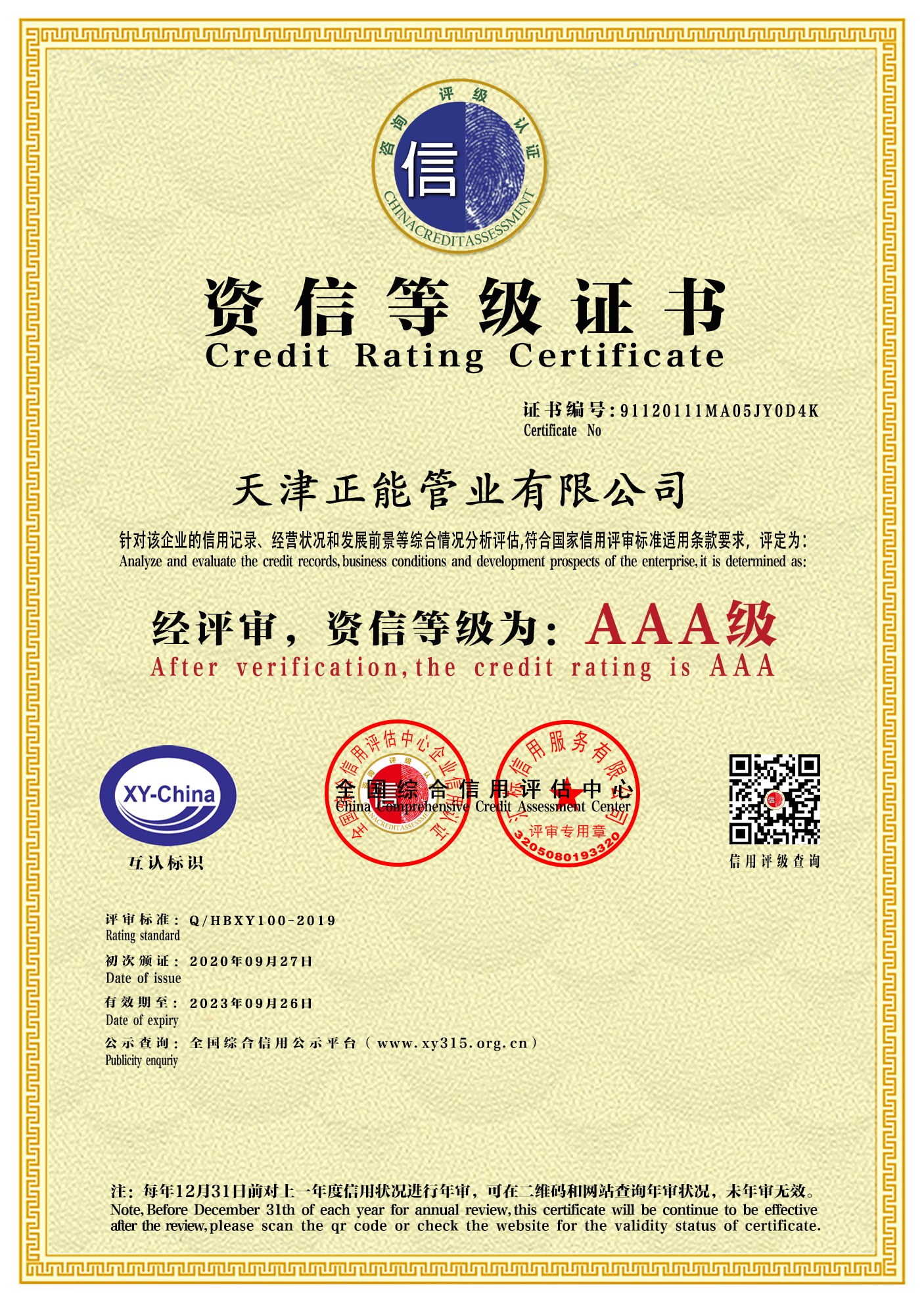
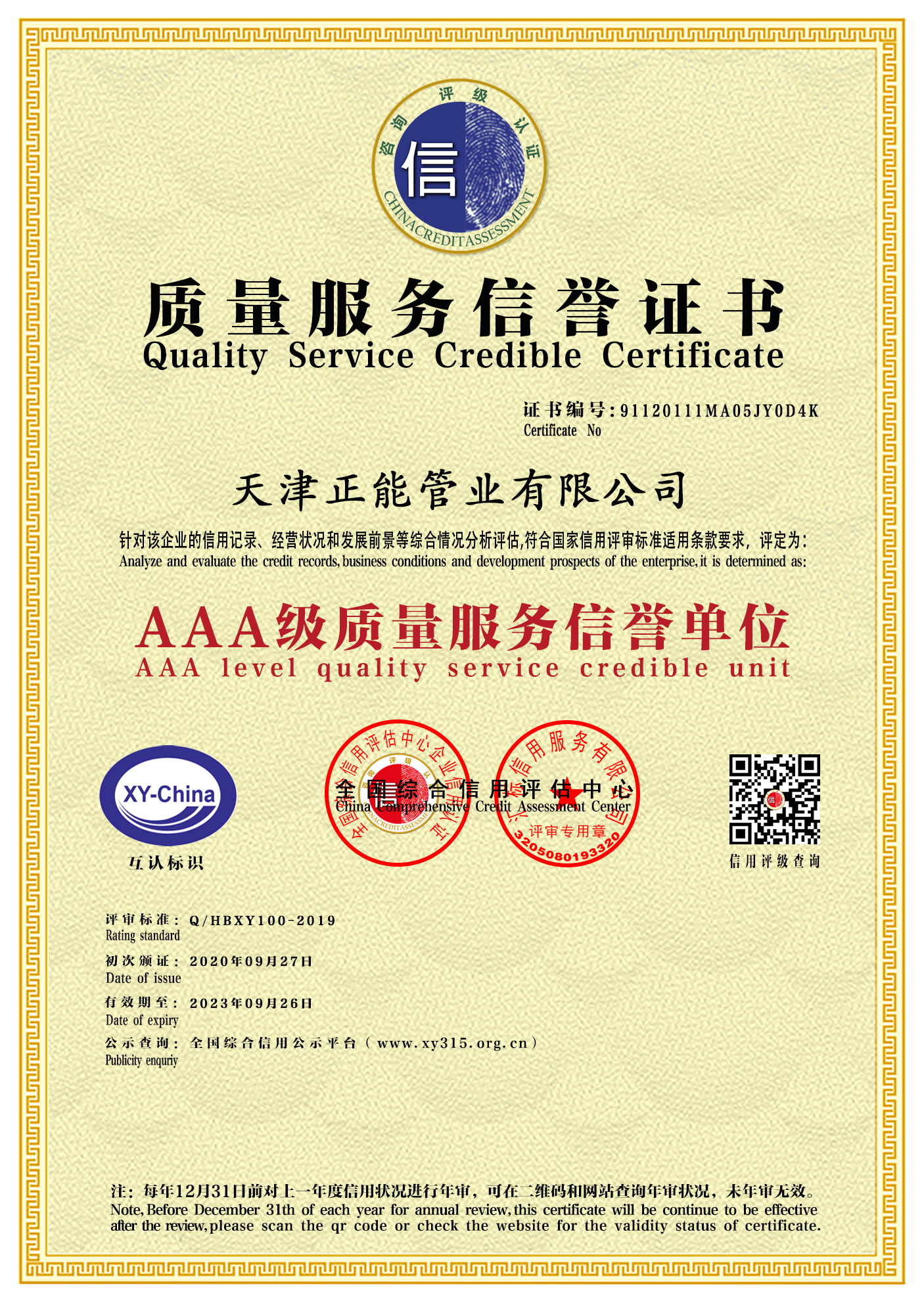
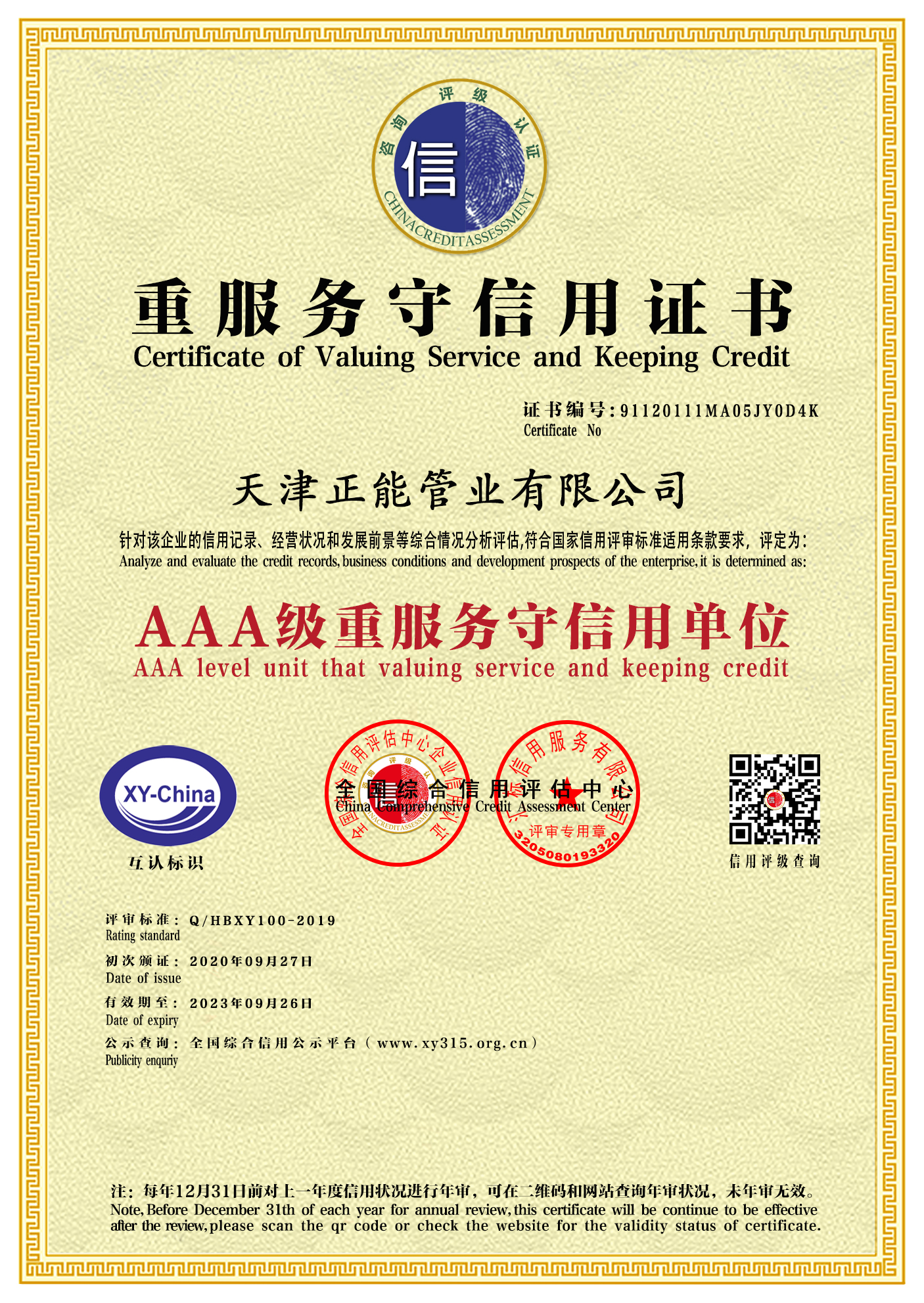
Quality Control & International Certifications
Full Traceability, Stringent Inspection Standards, and International Regulatory Compliance
Why Global EPCs & Fabricators Choose Sanon Pipe
Four Pillars of Strategic Supply Excellence for Energy & Thermal Engineering
Full heat-batch traceability + mandatory 3rd party inspection (SGS, TUV, BV) ensuring 100% defect-free products.
20,000 tons ready stock of alloy and boiler pipes, enabling ultra-fast lead times of 7-15 days for urgent projects.
17-year standardized Operating Procedure (SOP) with flawless zero-discrepancy L/C handling and contract execution.
Full carbon footprint tracking data available to support ESG compliance and environmental sustainability goals.
Complete Heat Exchanger & Industrial Tubing Catalog
Explore Our Comprehensive Range of Seamless Steel Pipes & Hollow Sections
-

Phone
-

E-mail
-

Whatsapp
-

Wechat
-

Top