
Featured Structural Steel Pipe Components
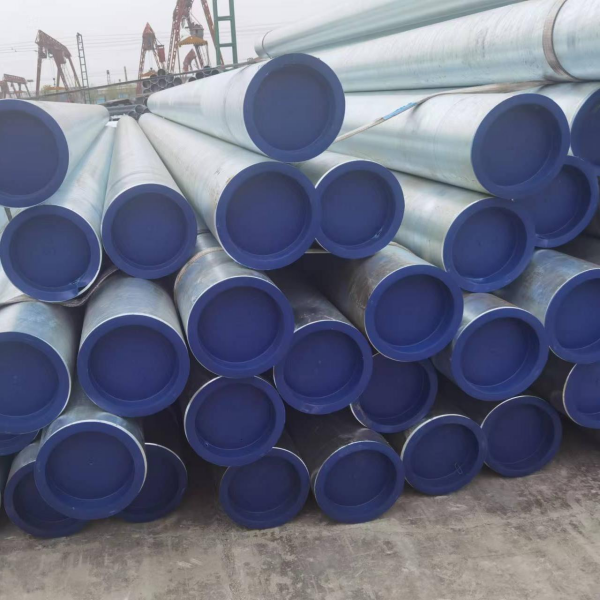
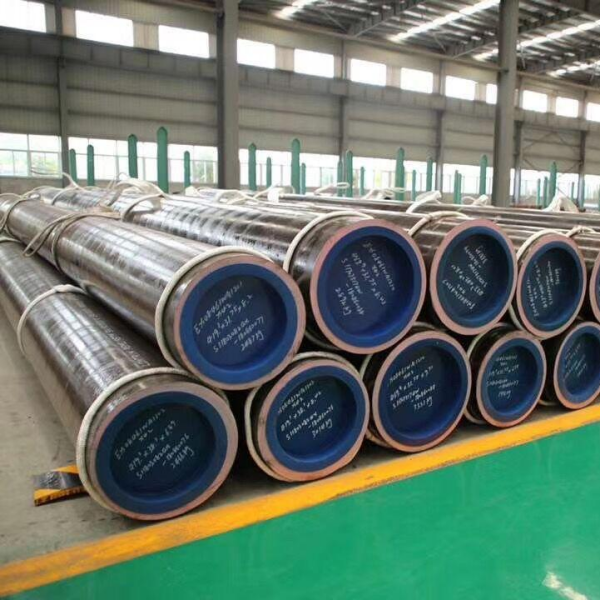
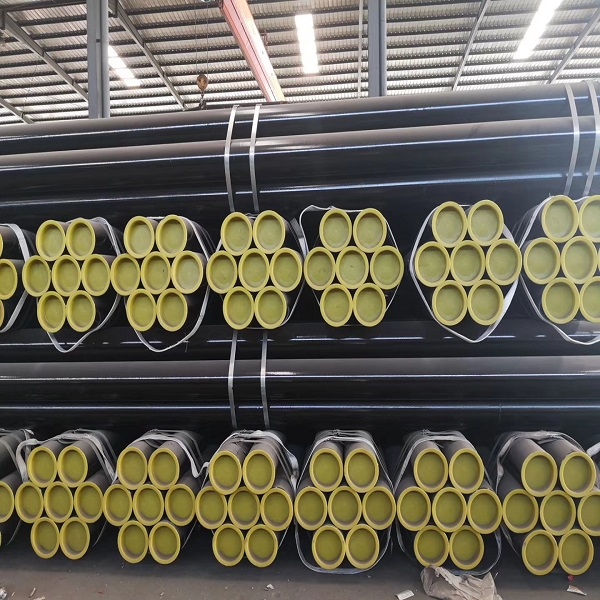
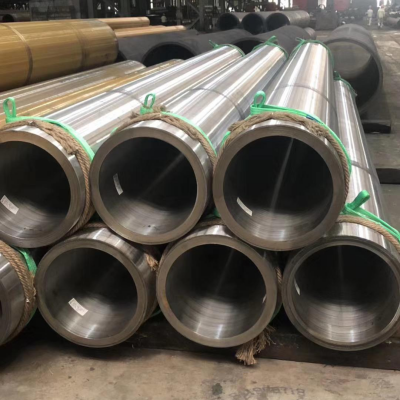
High-grade structural hollow sections and welded pipe formulations certified for structural load-bearing frameworks and heavy civil construction projects.
Industrial Status & Global Commercial Trends in Structural Steel Piping
An exhaustive analysis of how welded steel pipes are redefining modern engineering design, structural integrity, and industrial efficiency.
The Global Paradigm Shift Toward Structural Tubular Engineering
In modern engineering and urban development, the selection of materials for structural frameworks has evolved significantly. Welded Pipe For Structural Framework applications has transitioned from an alternative engineering choice to the primary standard across megastructures, bridge building, energy facilities, and transport hubs. Historically, conventional structural frameworks relied heavily on open steel sections such as standard I-beams, wide-flange beams, and structural channels. However, structural hollow sections (HSS) and high-yield welded steel pipes offer superior multi-axial load performance, optimal strength-to-weight ratios, and unrivaled torsional resistance.
Driven by rapid urbanization across APAC, the Middle East, and the Americas, global demand for structural steel tubing is experiencing robust growth. The structural efficiency of circular welded steel pipe stems from its uniform radius of gyration. Unlike open sections that exhibit disparate weak axes under bending or torsional strain, a circular welded pipe maintains identical cross-sectional properties in all directions. This inherent geometric advantage allows engineers to design slender, lighter, yet significantly stronger structural columns, space trusses, and foundation systems, directly translating to substantial material savings and reduced overall project carbon footprints.
Manufacturing Innovations: ERW, LSAW, and SSAW Solutions
The reliability of a welded pipe for structural framework designs depends strictly on advanced welding methodologies and metallurgy. Modern manufacturing utilizes three dominant processes tailored to structural duties:
- Electric Resistance Welding (ERW): Ideal for medium-diameter structural framing, offer tight dimensional tolerances, flawless surface finishes, and rapid production cycles for architectural trusses.
- Longitudinal Submerged Arc Welding (LSAW): Engineered for extreme load-bearing structural columns, heavy industrial plant frameworks, and high-rise core structures requiring thick-walled pipe sections.
- Spiral Submerged Arc Welding (SSAW/HSAW): Frequently specified for large-diameter deep foundation piling, marine dock frameworks, and expansive spatial grids due to high structural rigidity across long spans.
Commercial Market Drivers & Sustainability Directives
Commercial acceptance of welded structural pipes is further accelerated by rigorous international decarbonization mandates. Modular prefabrication and off-site assembly rely heavily on structural pipe modules due to their ease of automated robotic welding, uniform joint fit-ups, and streamlined coating application.
Furthermore, steel pipes provide minimal drag coefficients in wind-exposed or marine structures—such as offshore crane platforms or long-span bridges—significantly lowering dynamic aerodynamic loads compared to sharp-edged section steel. As EPC contractors prioritize lifecycle cost reduction, hot-dip galvanized and alloy-enhanced welded structural pipes are proving irreplaceable.
Deep-Dive Application Scenarios of Structural Welded Pipes
From iconic international airport terminals to deep coal mines and high-pressure chemical facilities, explore how structural steel tubing powers vital infrastructure.
1. Civil & Commercial High-Rise Architectural Frameworks
In modern architectural engineering, large-span clear spaces are paramount for international airports, stadium roofs, convention centers, and landmark skyscrapers. Welded pipe for structural framework configurations serves as the foundational skeleton for complex space frames, diagrid facades, and tree-column supports. A prime real-world example is the iconic Kuwait Airport (KWI) terminal expansion, where structural tubular framing was deployed to withstand seismic forces, severe desert wind loads, and thermal expansion.
By filling hollow structural welded pipes with high-strength concrete (Concrete-Filled Steel Tubes or CFST), engineers achieve extraordinary composite axial compression resistance and superior fire safety performance. This permits a dramatic reduction in column cross-sectional footprint while maximizing usable interior real estate.
2. Energy Grids, Petrochemical Pipe Racks & Power Plant Structural Supports
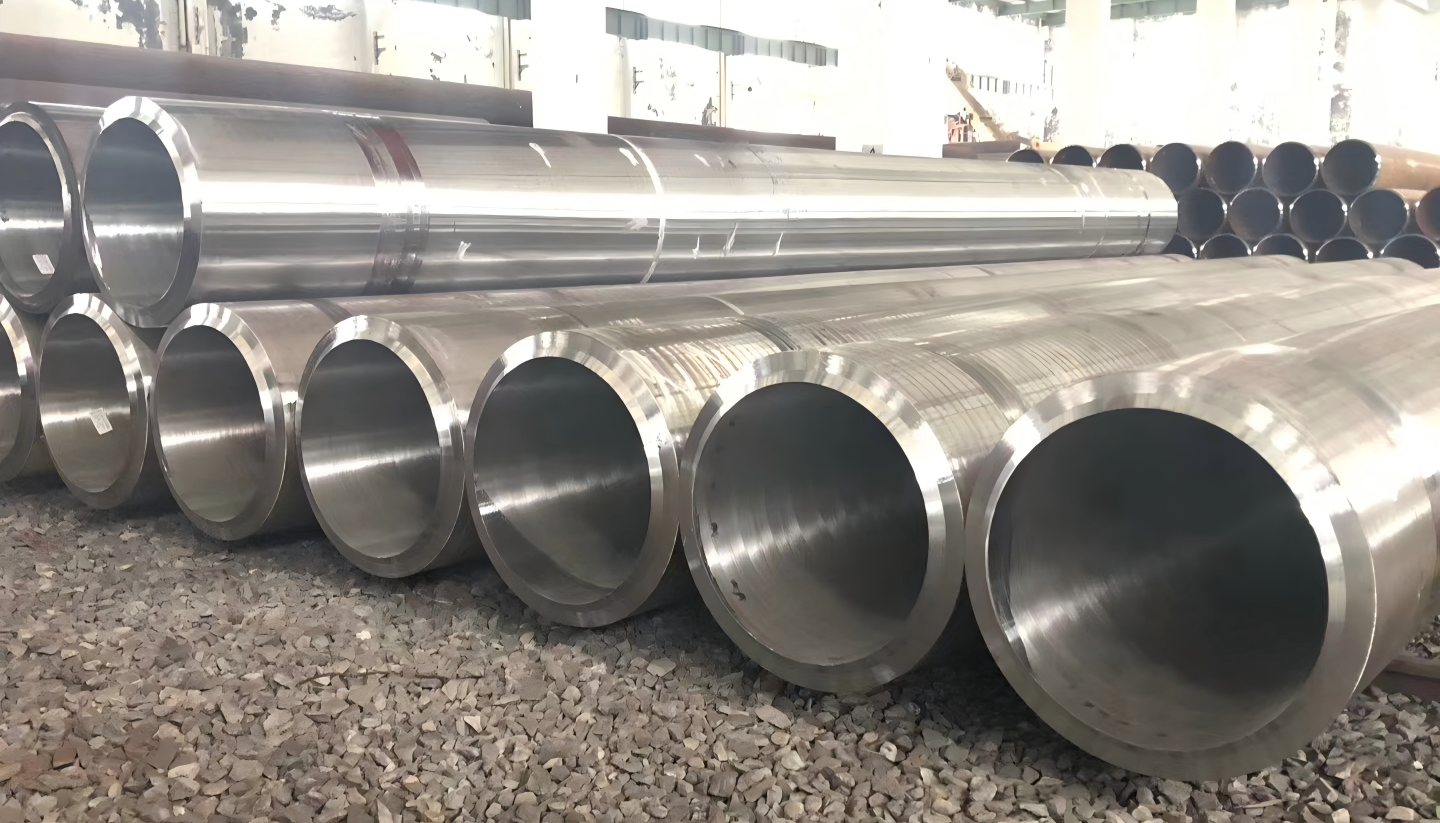
In heavy industrial complexes such as petroleum refineries, chemical processing units, and thermal power plants, pipe racks represent the vital structural arteries carrying high-pressure steam, oil, and volatile chemicals. Heavy-wall structural pipes compliant with GB 3087, GB/T 9948, and ASTM A335 are manufactured to serve as primary structural framing elements for these elevated superstructures.
These industrial structural frameworks must continuously support massive dead weight, dynamic fluid vibration, dynamic thermal expansion stress, and hostile corrosive ambient air. Standardized structural alloy steel pipes provide exceptional creep resistance, ensuring long-term structural integrity without structural deflection or fatigue failure under continuous high-temperature operating conditions.
3. Subterranean Coal Mining & Deep Extraction Support Systems
Underground mining environments present extreme structural challenges, including heavy lithostatic rock pressure, shifting geological strata, high humidity, and explosive atmospheric hazards. Specialized welded structural steel tubes manufactured under GB/T 17396-2009 (Seamless/Welded steel tubes for coal mining) utilizing carbon and alloy grades such as 34Mn2V and 35CrMo provide structural roof supports, hydraulic prop framework cylinders, and mine shaft ventilation frames.
The high yield strength and uniform strain distribution of these structural pipes prevent catastrophic buckling under intense sudden earth movements, ensuring life-saving structural safety for deep mining operations.
4. Transportation Bridges, Marine Harbor Infrastructure & Heavy Machinery
Heavy transportation infrastructure demands structural components capable of bearing millions of dynamic fatigue cycles. Tubular welded steel trusses are widely utilized in tied-arch bridges, pedestrian footbridges, and highway overhead portal sign gantries. In marine civil engineering, large-diameter ERW and LSAW structural steel pipes are driven deep into sea floors to serve as jetty piling framework legs and offshore platform jacket legs, engineered to withstand aggressive saltwater corrosion and wave impact energy.
Furthermore, in the heavy equipment sector, welded structural pipes form the primary load-bearing chassis, crane boom lattice masts, and hydraulic arms for industrial cranes, excavators, and agricultural harvesters.
Technical Specifications, Standards & Manufacturing Rigor
Rigorous compliance with global standards ensures that every welded pipe component delivered exceeds structural safety, tensile yield, and longevity expectations.
International Structural Standards Compliance Matrix
To meet the diverse requirements of global EPC engineering clients, structural steel pipes are manufactured, tested, and certified in accordance with strict international standard specifications:
| Standard Specification | Typical Material Grades | Key Structural Properties | Primary Structural Applications |
|---|---|---|---|
| ASTM A53 / A53M | Grade A, Grade B | Yield strength ≥ 240 MPa; Excellent weldability & hot-dip galvanizing response | General building frames, handrails, scaffolding, structural support columns |
| GB/T 8162-2008 | Q235, Q345 (Q355B/C/D), 20# | High yield tensile ratio, superior impact resistance at low ambient temperatures | Machinery structural frames, architectural space grids, bridge trusses |
| ASTM A335 / A210 | P5, P9, P11, P22, P91, SA210C | High-temperature thermal creep resistance, elevated tensile strength under load | Power plant boiler structures, high-pressure industrial pipe bridge frames |
| GB/T 17396-2009 | 34Mn2V, 35CrMo, 20Mn2 | High fatigue endurance limit, extreme burst and compression resistance | Mining hydraulic props, underground structural shaft linings, heavy supports |
Non-Destructive Testing (NDT) & Quality Verification Procedures
Safety is non-negotiable in load-bearing structural frameworks. Every steel pipe batch undergoes non-destructive evaluation to verify seam fusion integrity, microstructural uniformity, and wall thickness compliance:
- Automated Ultrasonic Testing (UT): 100% volumetric inspection along the full length of the longitudinal or helical weld seam to detect internal voids, micro-cracks, or fusion defects.
- Hydrostatic Testing: Pressure testing held for specified hold times to verify absolute mechanical pressure capability under extreme working stress.
- X-Ray Radiographic Inspection: Digital radiographic testing performed on pipe weld end zones to guarantee zero defect density prior to beveling and shipment.
- Magnetic Particle & Eddy Current Inspection: Surface flaw evaluation ensuring surface crack-free perfection prior to anti-corrosion painting or hot-dip galvanizing.
Tianjin Sanon Steel Pipe Co., Ltd. - Corporate Ecosystem
Branch Company and International Department for Hebei Hong Cheng Pipe Fitting Company—a premier global powerhouse in steel pipe service solutions.
One-Stop Structural Steel Piping Solutions
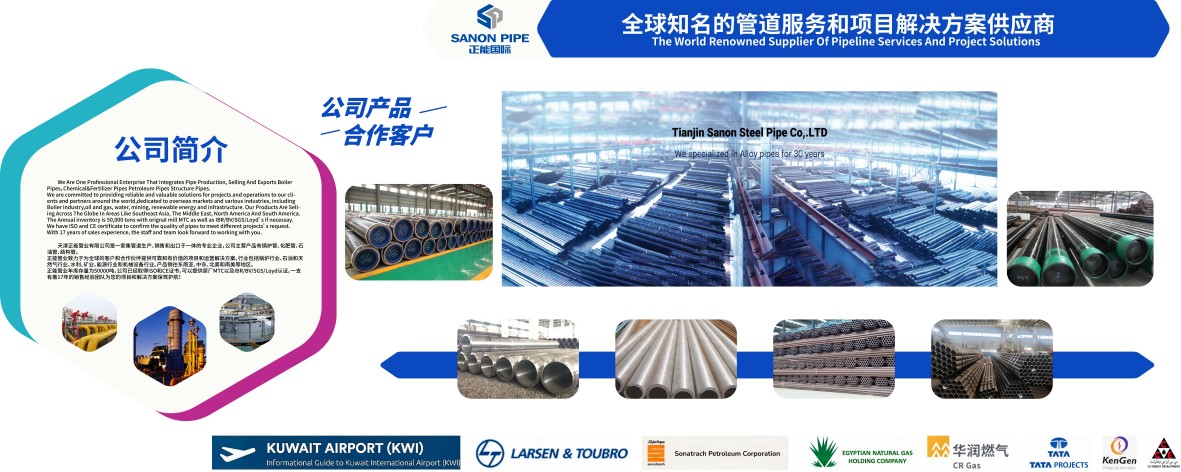
Sanonpipe is a globally recognized one-stop supplier of comprehensive steel pipe services. Our fully integrated operations cover the complete industrial chain from raw material selection, high-precision manufacturing, testing, custom coating, and export packaging to global logistics shipping—saving international clients valuable project time and procurement costs.
We maintain expansive modern cooperative factories and strategic warehousing centers, carrying roughly 200,000 tons of seamless steel pipes (including carbon steel and high-temperature alloy steel pipes) alongside 10,000 tons of welded pipes, square & rectangular structural tubes, and stainless steel pipes ready for immediate delivery.
Product Portfolio Distribution & Material Grades
Our core product supply ratio is carefully tailored to support critical industrial and structural sectors:
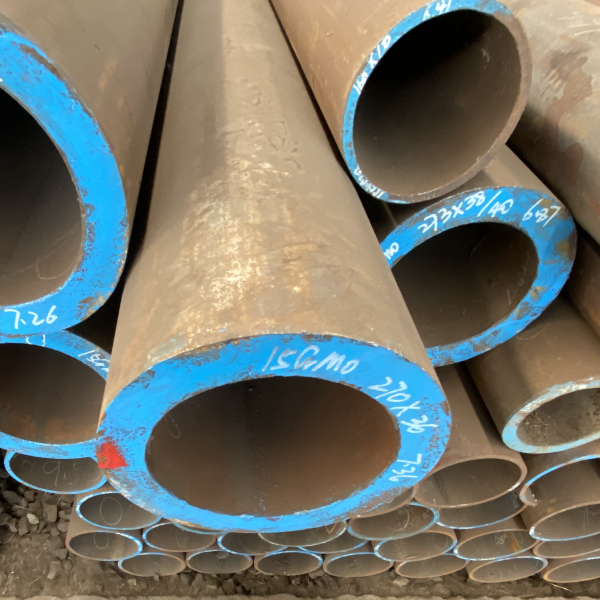
Explore our main product lineup detailed in our Sanonpipe Corporate News Channel, including carbon steel SA106B, 20g, structural Q345 (Q355), high-pressure alloy grade 12Cr1MoVG, 15CrMoG, Cr5Mo, 1Cr9Mo, 10CrMo910, and boiler alloy steel pipe A335 P5 / P9 / P11 / P12 / P22 / P91 / P92.
Specialized Alloy Material Standards Supply:
- Boiler Pipes & High-Temp Structural Supports: ASTM A335/A335M (P5, P9, P11, P12, P22, P91, P92); GB/T 5310-2017 (20mng, 25mng, 15mog, 20mog, 12crmog, 15crmog, 12cr2mog, 12crmovg); ASME SA-213/SA-213M (T11, T12, T22, T23, T91, P92, T5, T9, T21).
- Petrochemical & Refinery Structural Pipes: GB 9948-2006 (15MoG, 20MoG, 12CrMoG, 15CrMoG, 12Cr2MoG, 12CrMoVG, 20G, 20MnG, 25MnG); GB 6479-2013 (12CrMo, 15CrMo, 12Cr1MoV, 12Cr2Mo, 12Cr5Mo, 10MoWVNb, 12SiMoVNb).
- Heat Exchanger & Mechanical Tubes: SA210C / T11, T12, T22, T23, T91, T92.
Major International Markets & Global Enterprise Clients
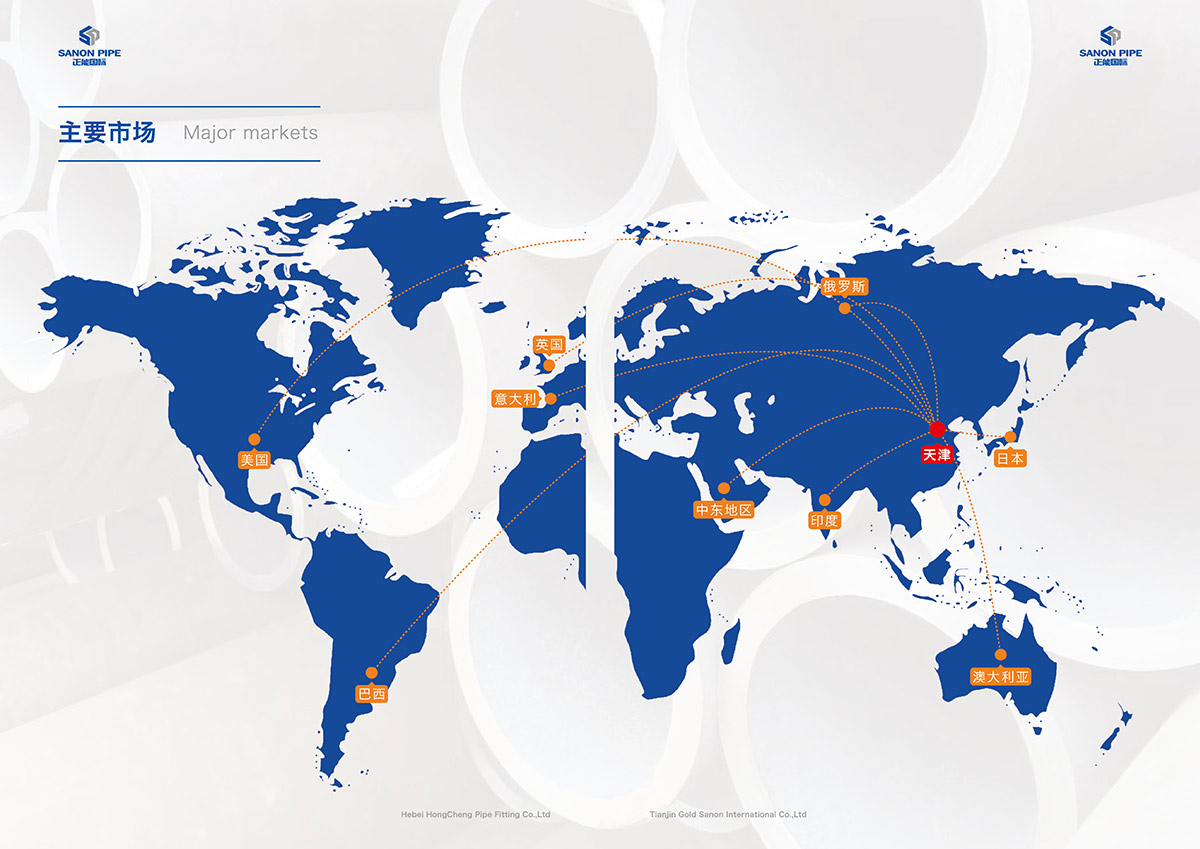
Our steel pipes are exported across the globe. We have established long-term engineering partnerships in key international markets including India, the Middle East, the United States, the United Kingdom, Italy, Russia, Brazil, Japan, and Australia.
Main International Clients
 CHINA STATE SHIPBUILDING CORPORATION (CSSC)
 OMV Group
 Larsen & Toubro (L&T)
 NISCO
 Reliance Industries Limited
 NNPC Group
 Van Leeuwen Pipe & Tube
 Stemcor Global Holdings
 Samsung Electronics
 TotalEnergies
 Indian Oil Corporation (IOCL)
 Sinopec Group
 Siemens
 Thyssenkrupp
 Tata Group
 Kuwait Airport (KWI)
Strategic Steel Mill Alliances
We partner exclusively with top-tier global steel manufacturers, guaranteeing pristine raw material origin, full batch traceability, and consistent mechanical performance.
Enterprise Culture & Comprehensive Certifications
Our operational philosophy centers on building agile, reliable, and professional steel pipe supply chains that guarantee safety for global engineering projects.
Company Vision
To become a globally renowned supplier of pipeline services and project solutions. What we offer is not merely steel pipe products, but a series of comprehensive value-added engineering services and customized project solutions centered around steel pipes. We cultivate deep cooperative partnerships rather than simple buyer-seller transactions.
Company Mission & Values
Mission: By building an agile, reliable, and professional steel pipe supply chain system, we ensure material safety and create outstanding value for global industrial infrastructure projects.
Values: Customer trust, Professionalism as the foundation, Collaborative progress, and long-term responsibility.
Why Choose Sanon Pipe
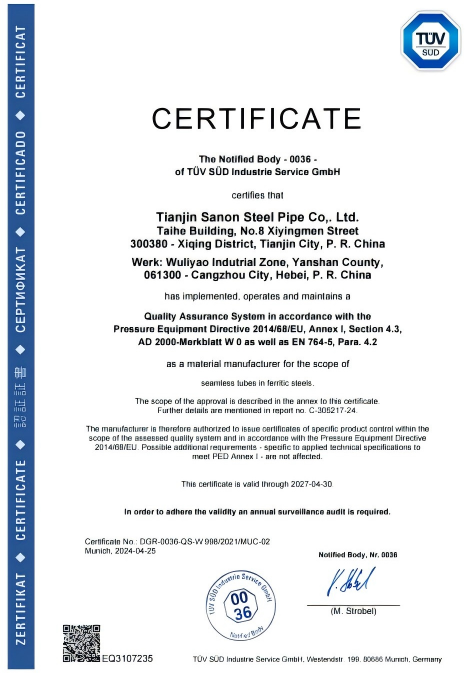
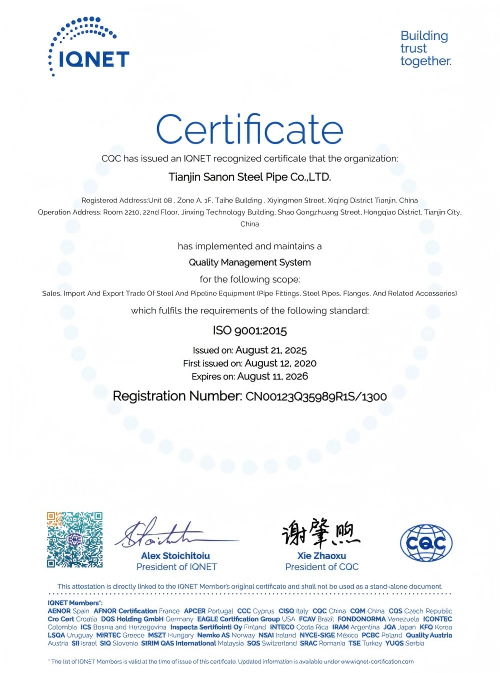
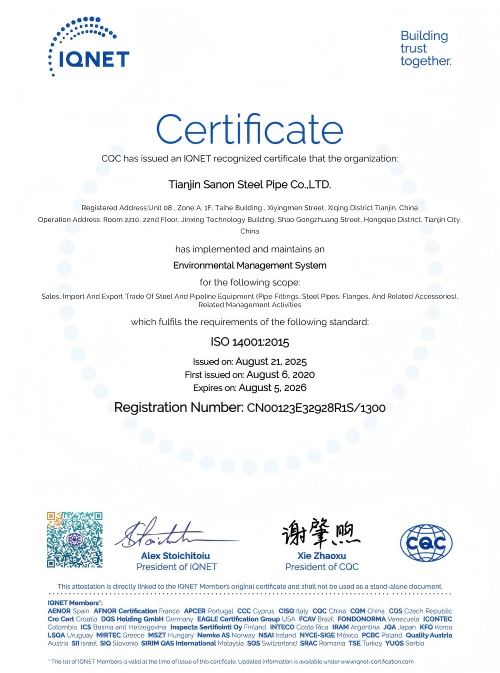
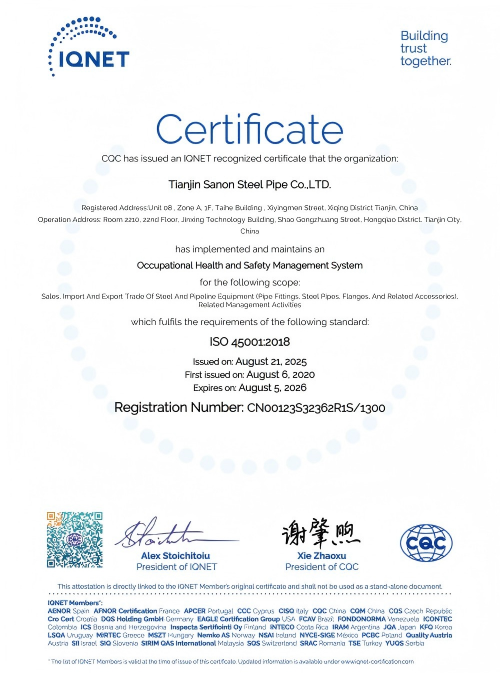
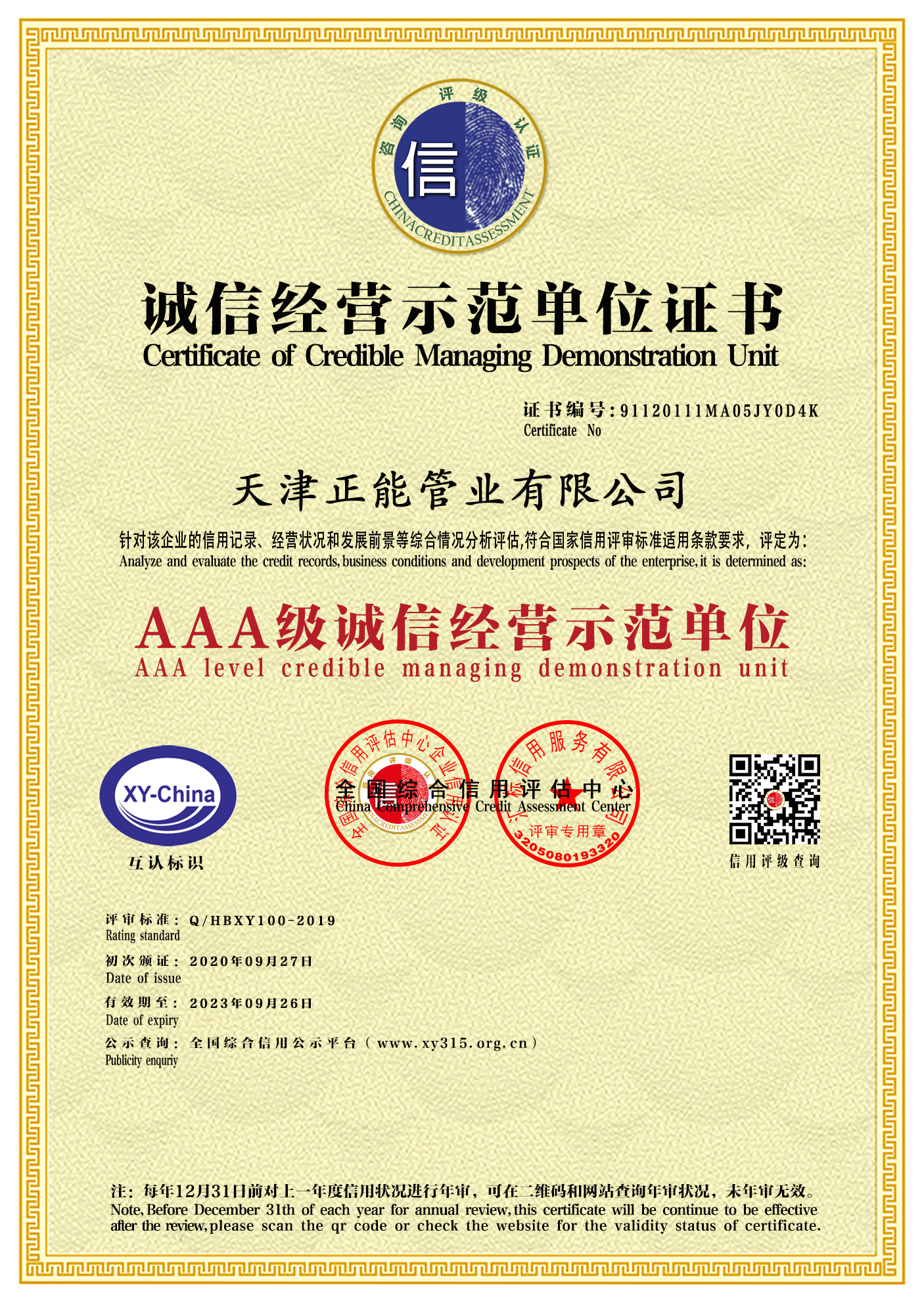
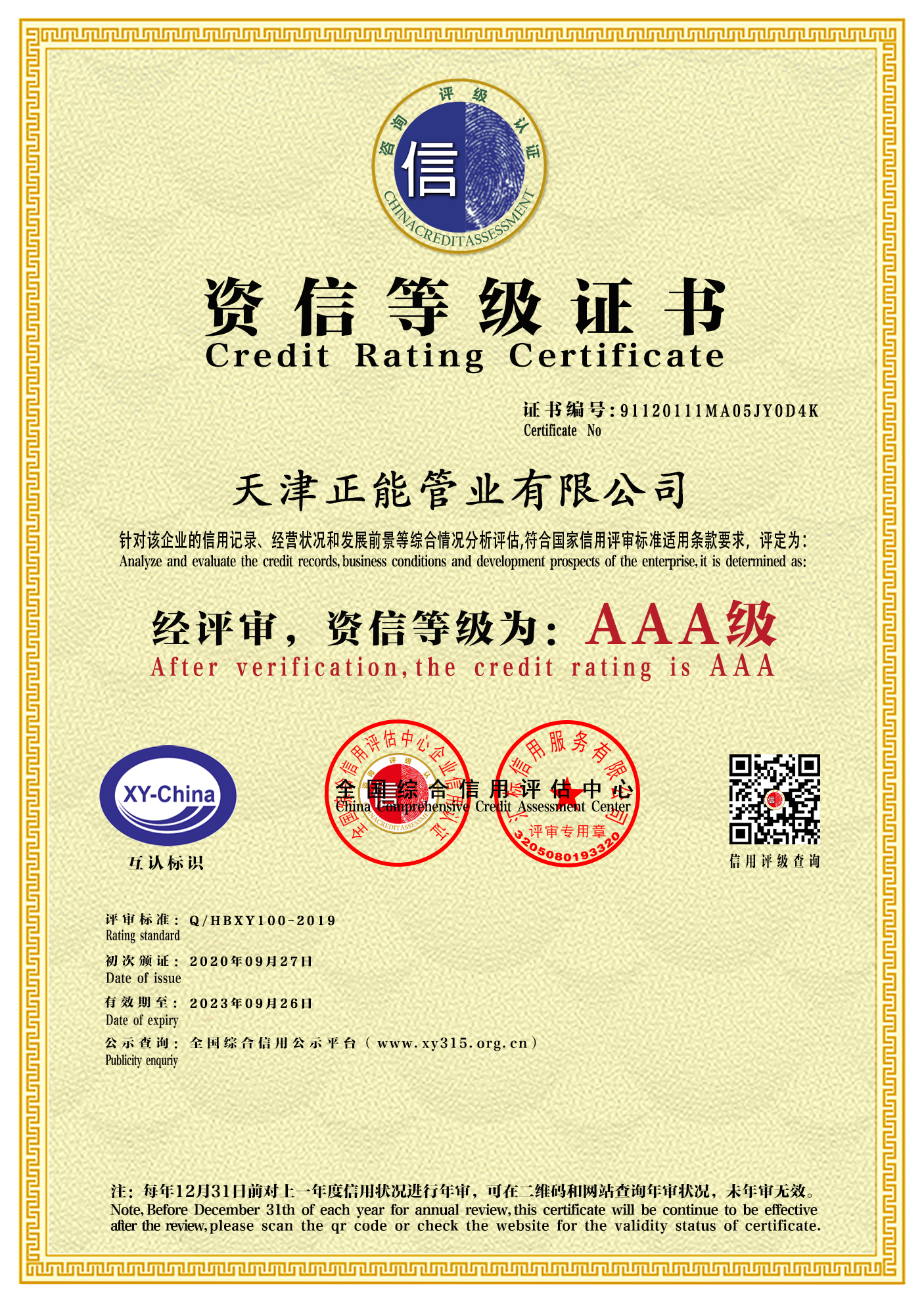
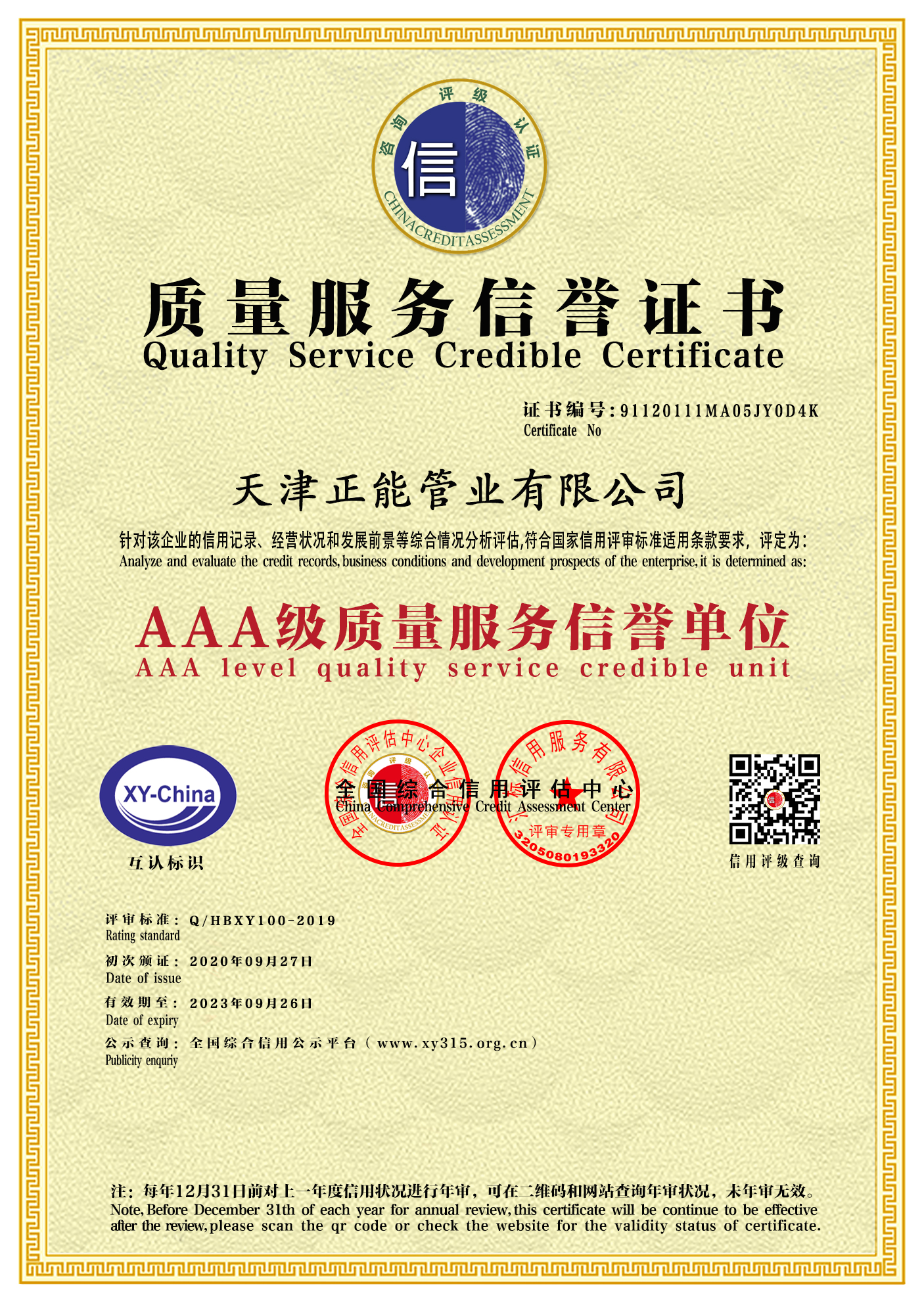
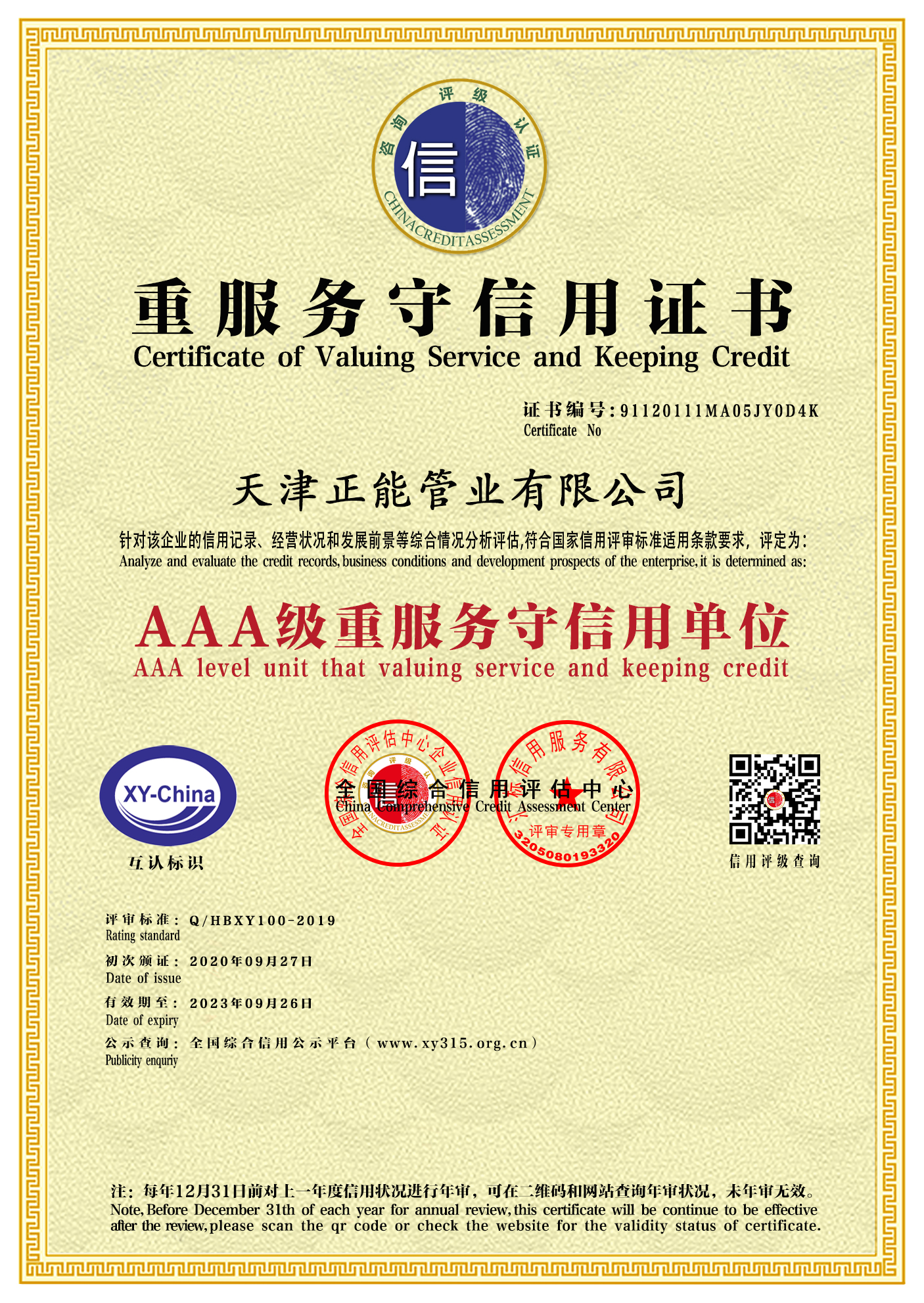
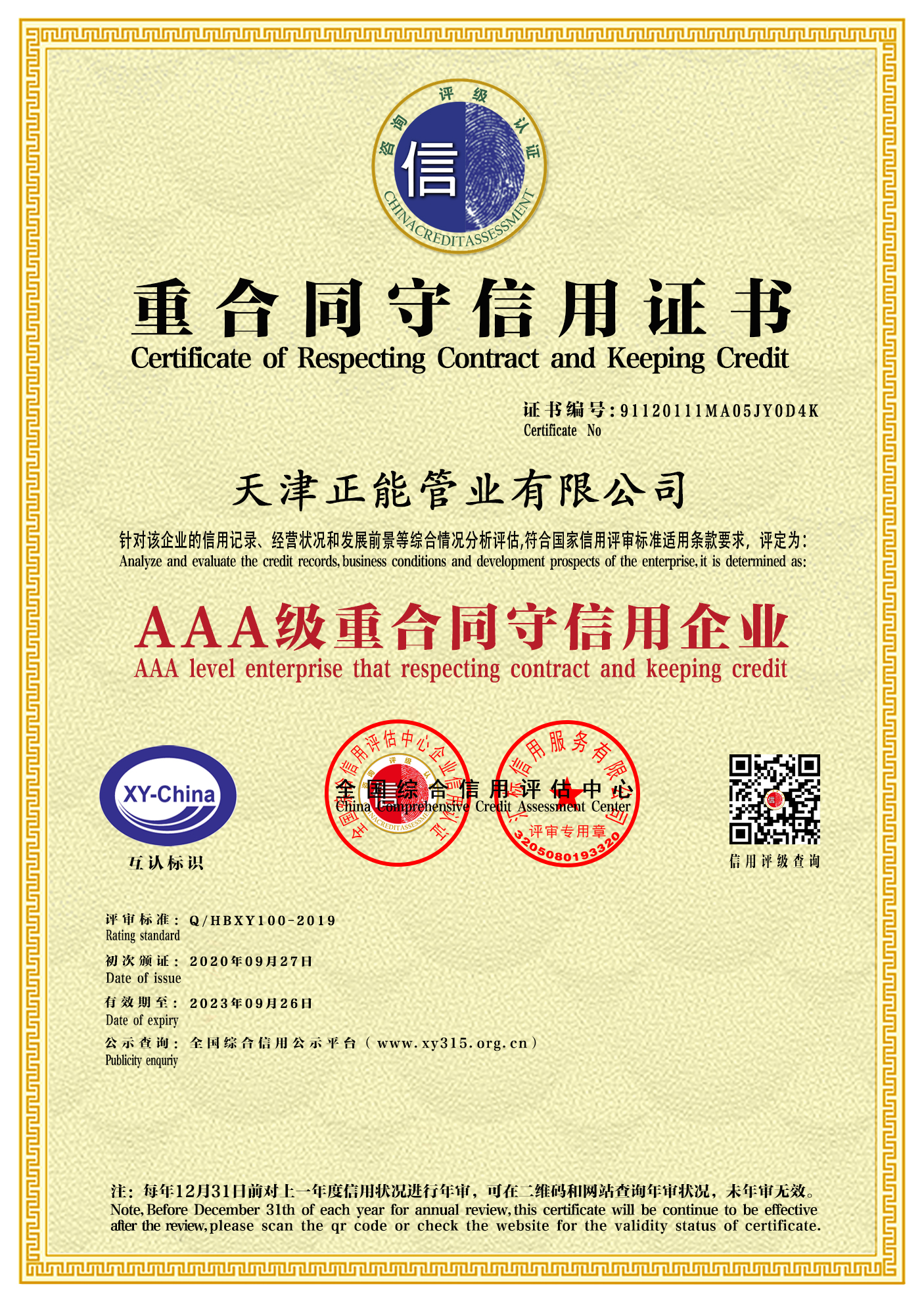
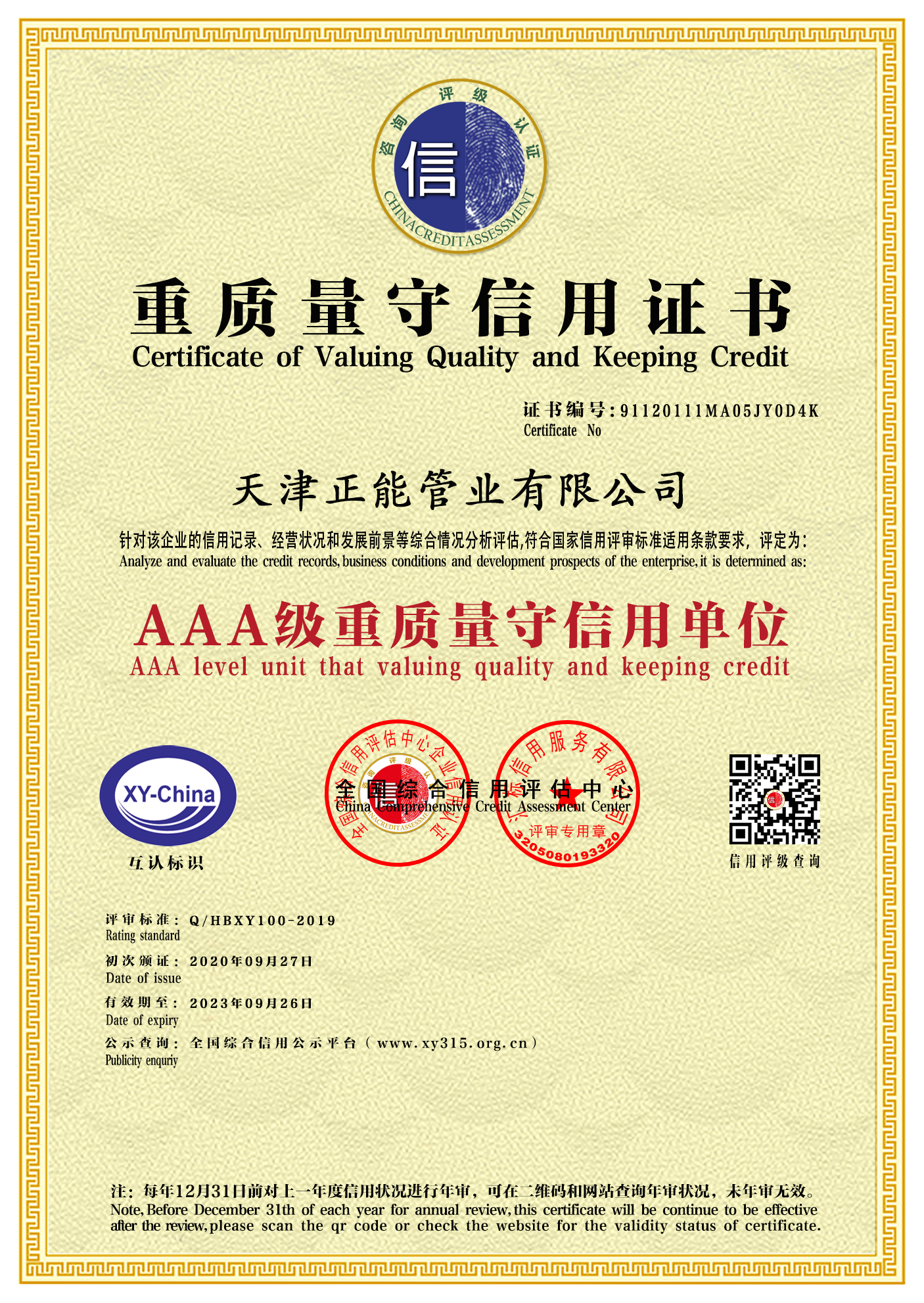
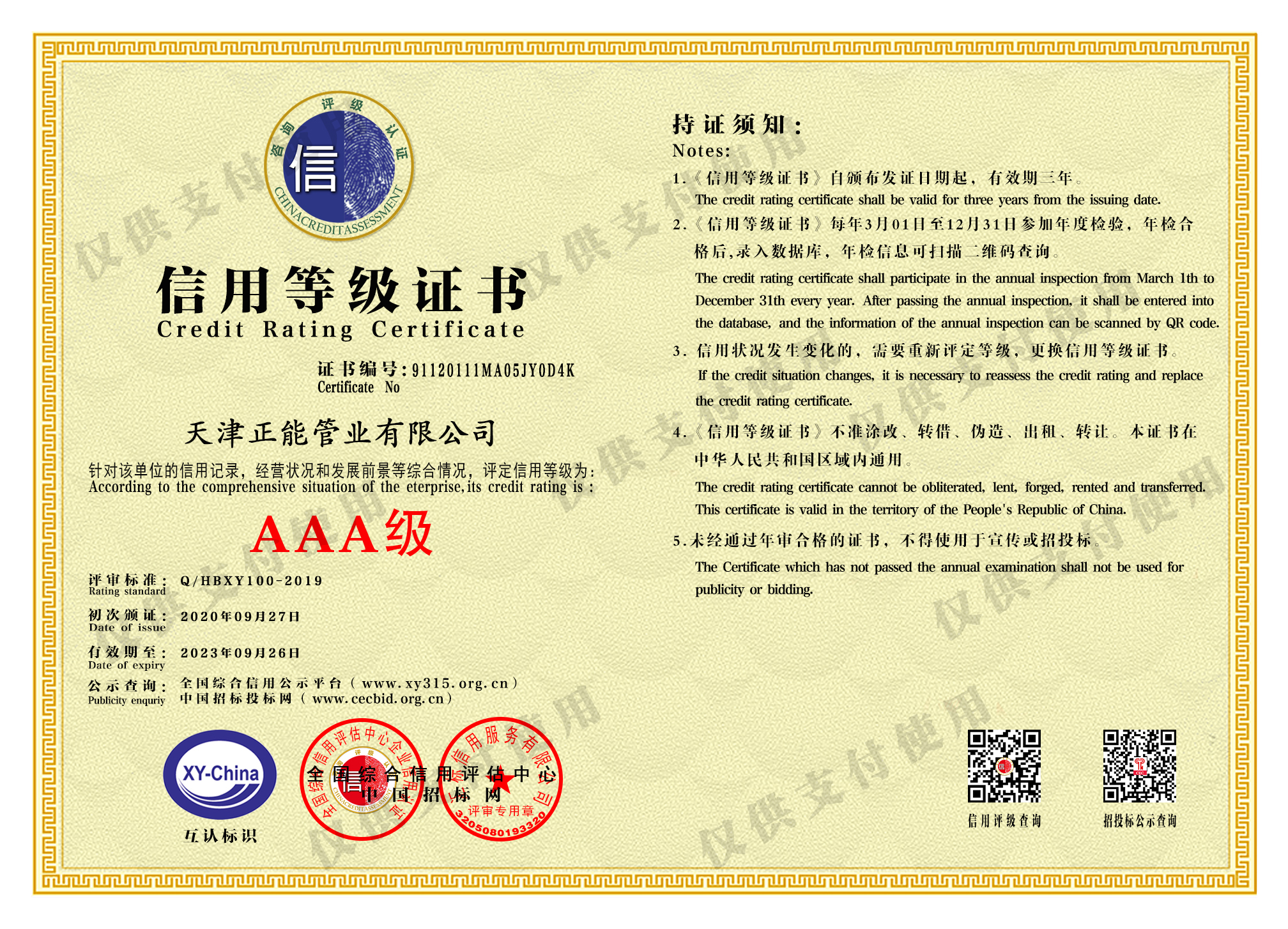
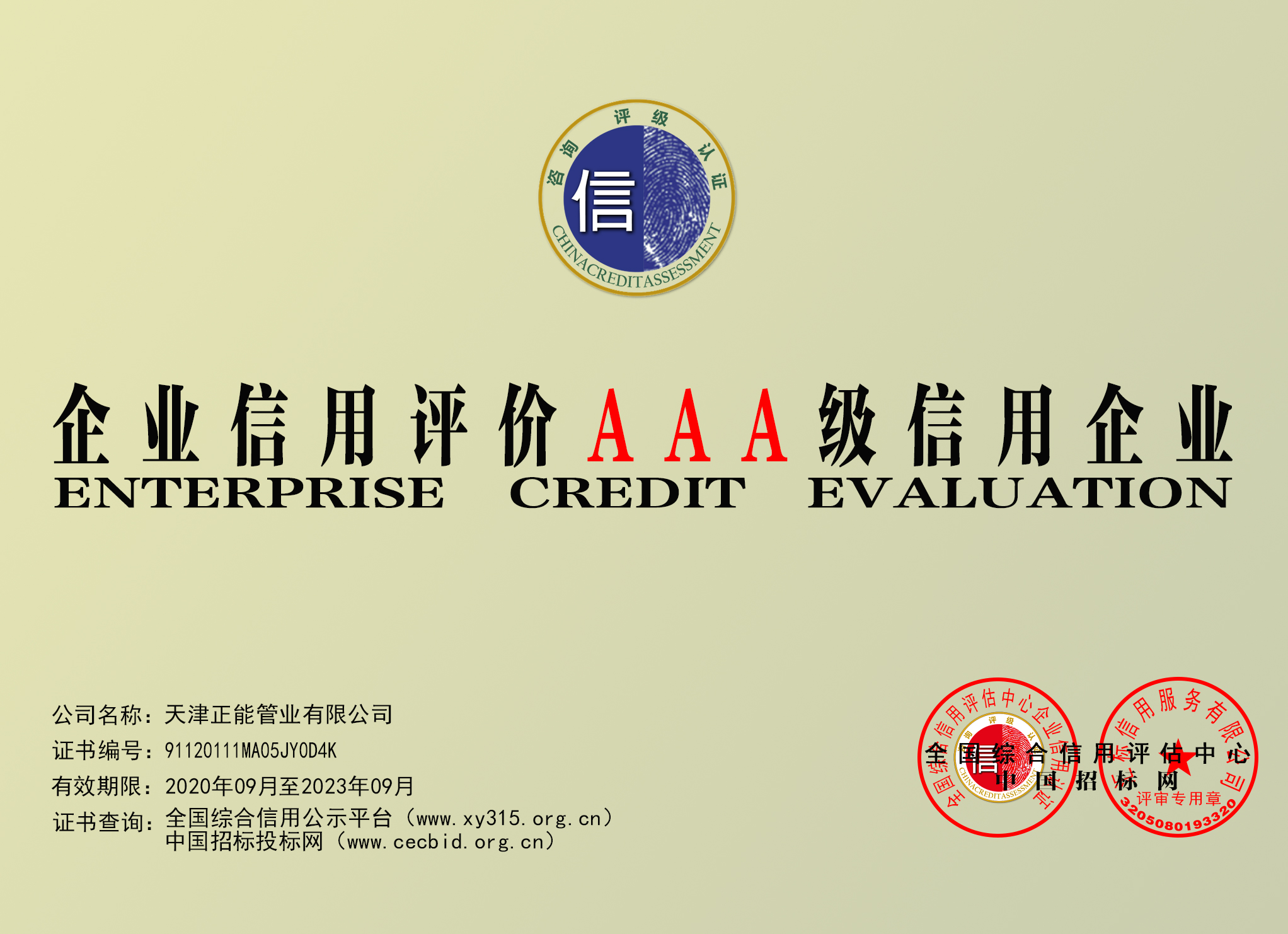
International Quality & Environmental Certifications
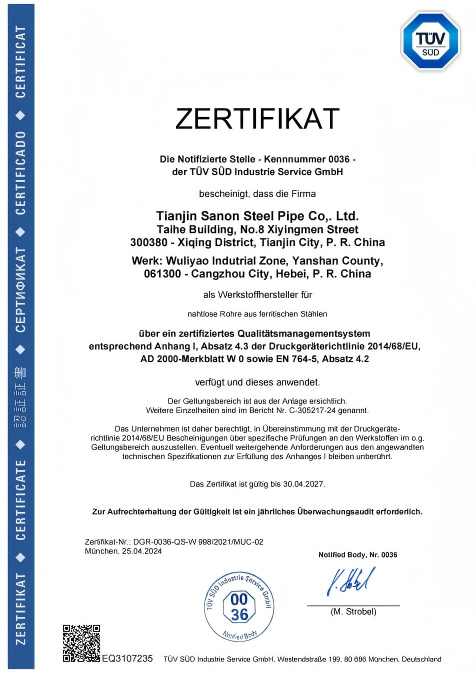
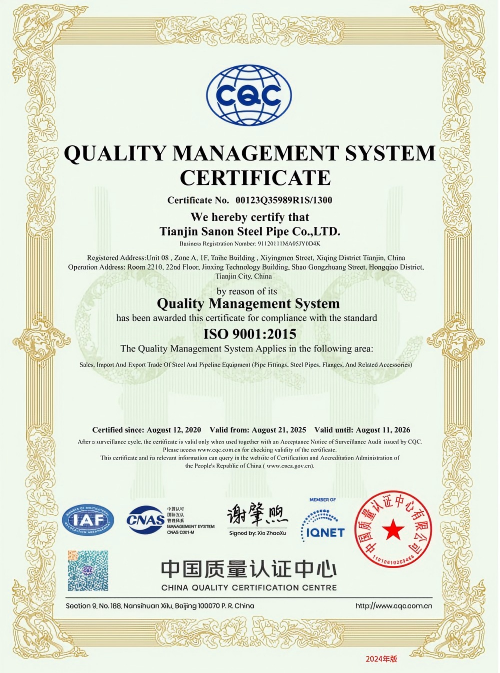
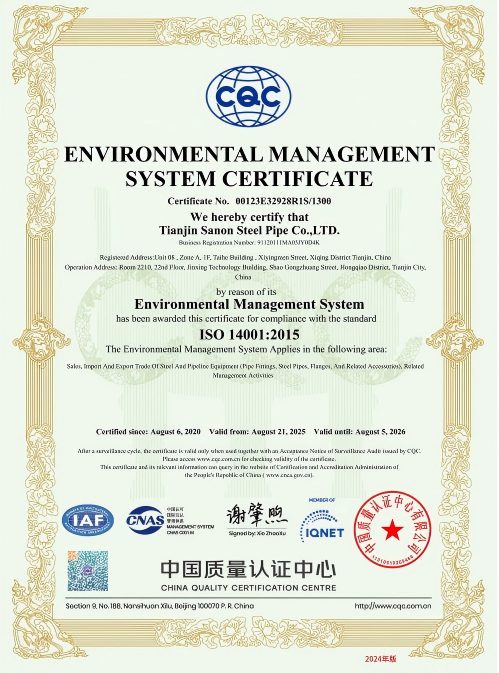
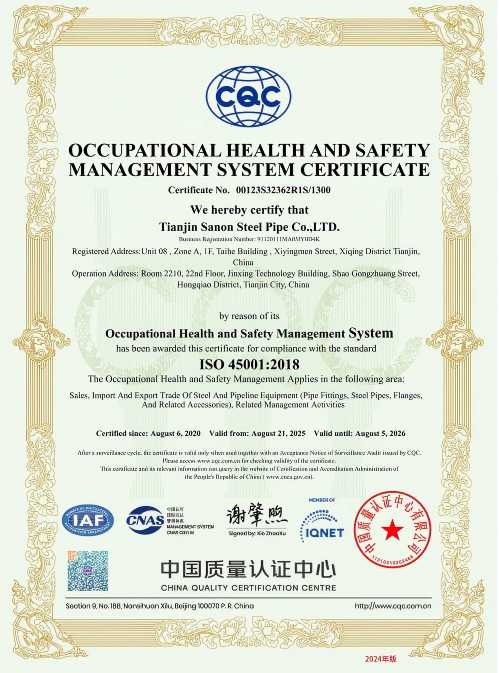
Future Trends & Next-Gen Smart Structural Steel Systems
Discover how artificial intelligence, low-carbon metallurgy, and BIM integration are transforming structural welded pipe manufacturing.
1. Green Steel Manufacturing & Carbon Footprint Tracking
As international environmental regulations tighten, the steel tubular industry is rapidly adopting hydrogen-based direct reduced iron (DRI) processes and electric arc furnace (EAF) steelmaking. Welded structural pipes produced with lower embodied carbon allow project developers to achieve LEED and BREEAM green building accreditations without sacrificing tensile or structural performance.
2. BIM-Integrated & Prefabricated Structural Modules
Building Information Modeling (BIM) is revolutionizing how structural engineers detail tubular truss connections and node joints. High-precision laser cutting and computerized beveling enable welded structural pipes to arrive on site ready for instant fit-up. This off-site prefabrication approach drastically cuts on-site installation timelines, enhances weld seam consistency, and minimizes site waste.
3. AI-Assisted Weld Inspection & Smart Structural Health Monitoring
Advanced structural pipe mills are integrating AI-driven computer vision and real-time sensor monitoring into automatic submerged arc welding processes. Furthermore, high-consequence structural framework columns are increasingly equipped with embedded fiber-optic smart sensors to monitor real-time strain, thermal dynamics, and fatigue life throughout the building's operational lifecycle.
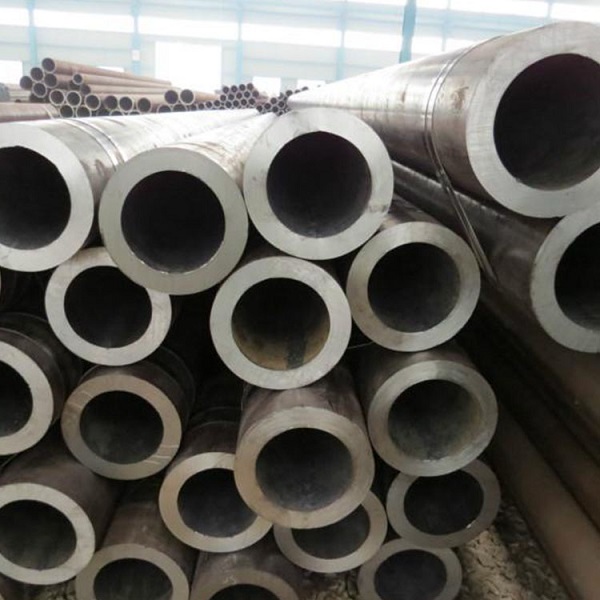
Complete Product Portfolio Showcase
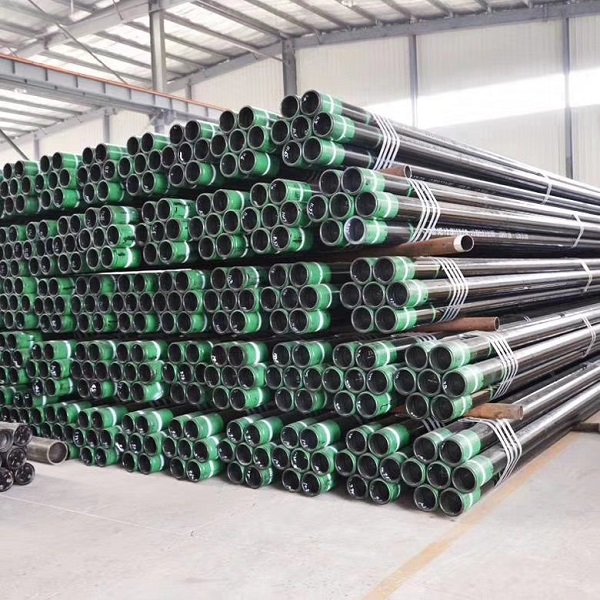
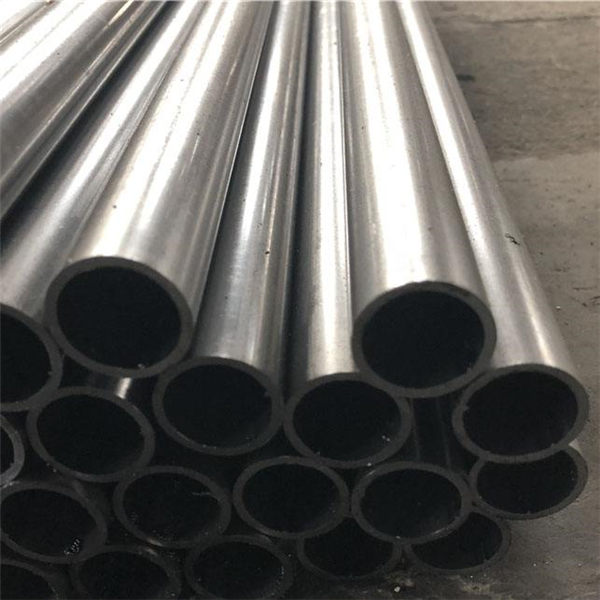
Explore our full certified range of seamless, welded, alloy, and structural steel pipe products engineered to international standards.
-

Phone
-

E-mail
-

Whatsapp
-

Wechat
-

Top